
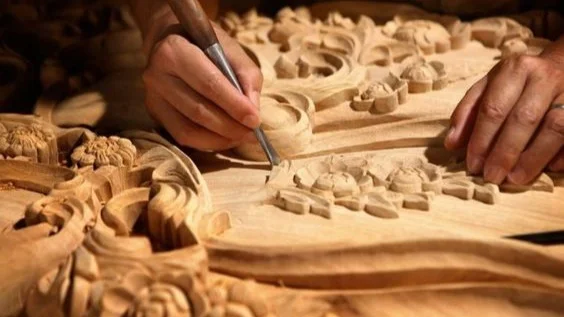
Traditional Wood Carving: Meeting Local Master Craftsmen
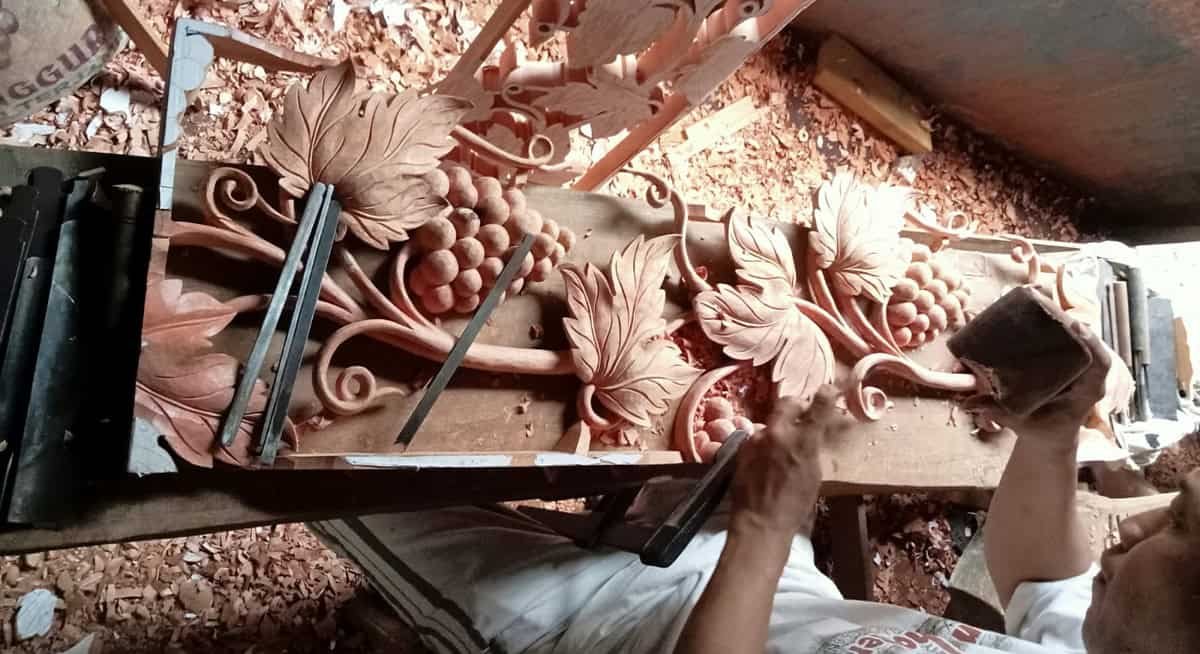
To understand the relationship between a Javanese craftsman and the natural world, one must only sit quietly in a rural wood-carving studio. The atmosphere is intoxicatingly raw: the rich, fragrant perfume of freshly sliced teak wood combines with the rhythmic, metallic clink of steel chisels meeting heavy wooden mallets. Here, master carvers operate not just as laborers, but as channels for a centuries-old artistic heritage that treats wood as a living, breathing canvas.
Across Central Java, wood carving has long been an elite discipline, historically commissioned by royal courts to decorate sprawling Joglo palaces and spiritual sanctuaries. While modern manufacturing pushes the world toward cheap, mass-produced plastic furniture, these rural enclaves have stood defiantly still. The master carvers (pahat) continue to pass down their specialized tools, intricate pattern templates, and hidden design formulas from parent to child entirely through touch, memory, and patient observation.
If you are a conscious traveler who values human mastery, raw materials, and the survival of ancient trades, here is what it looks like to step behind the scenes and meet Java’s iconic wood-carving masters.
1. The Living Philosophy: Giving Soul to the Timber
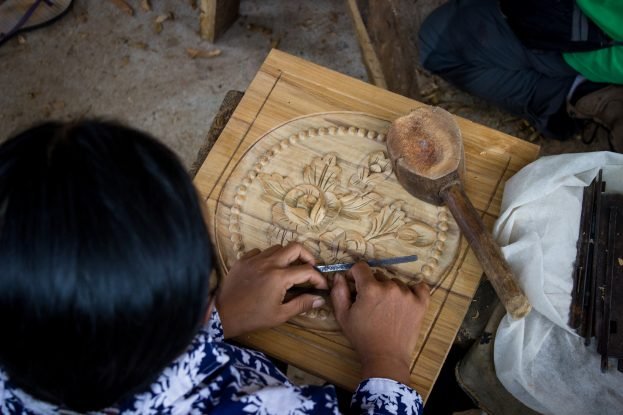
In the Western tradition, wood carving is often viewed primarily as a physical skill. In rural Javanese culture, it is traditionally approached as a spiritual practice.
[ Selection of Timber ] ---> Teak or Mahogany chosen based on grain and age
[ Spiritual Meditation] ---> Crafting a clear, respectful mind before cutting
[ Rough Shaping Phase ] ---> Outlining the fundamental structural block
[ Fine Chisel Work ] ---> Layering relief depths (up to 3 dimensions)
Before a master carver touches a rare piece of premium, decades-old teak (kayu jati), he must first align his mindset. Traditional beliefs dictate that trees hold distinct spirit energies, and the act of carving is a collaborative process where the artisan co-creates with the nature of the wood. This mindset explains why master carvers can sit cross-legged on a floor covered in sawdust for ten hours straight, coaxing microscopic, lifelike floral vines out of an incredibly dense, stubborn block of timber with absolute serenity.
To learn more about how global conservation networks and cultural organizations evaluate, catalogue, and preserve these high-skill indigenous trades across Southeast Asia, you can browse the global artisan listings on the UNESCO Intangible Cultural Heritage Portal.
Step Inside the Enclaves: Ready to bypass commercial souvenir markets and sit directly alongside a multi-generational master craftsman on his workshop floor? Explore our custom Visit Nusa | Yogyakarta Cultural Tour Packages for exclusive, curated introductions to elite heritage carving studios.
2. Decoding the Reliefs: The Famous Kudus and Jepara Style
As you travel through the province, the styles of wood carving evolve distinctly based on regional heritage. The epicenter of this craft sits along the northern coast of Central Java, primarily in the historic regions of Jepara and Kudus, though its masterpieces are found decorating palaces throughout Yogyakarta.
The Jepara Style (Fluid Flora and Swirling Vines)
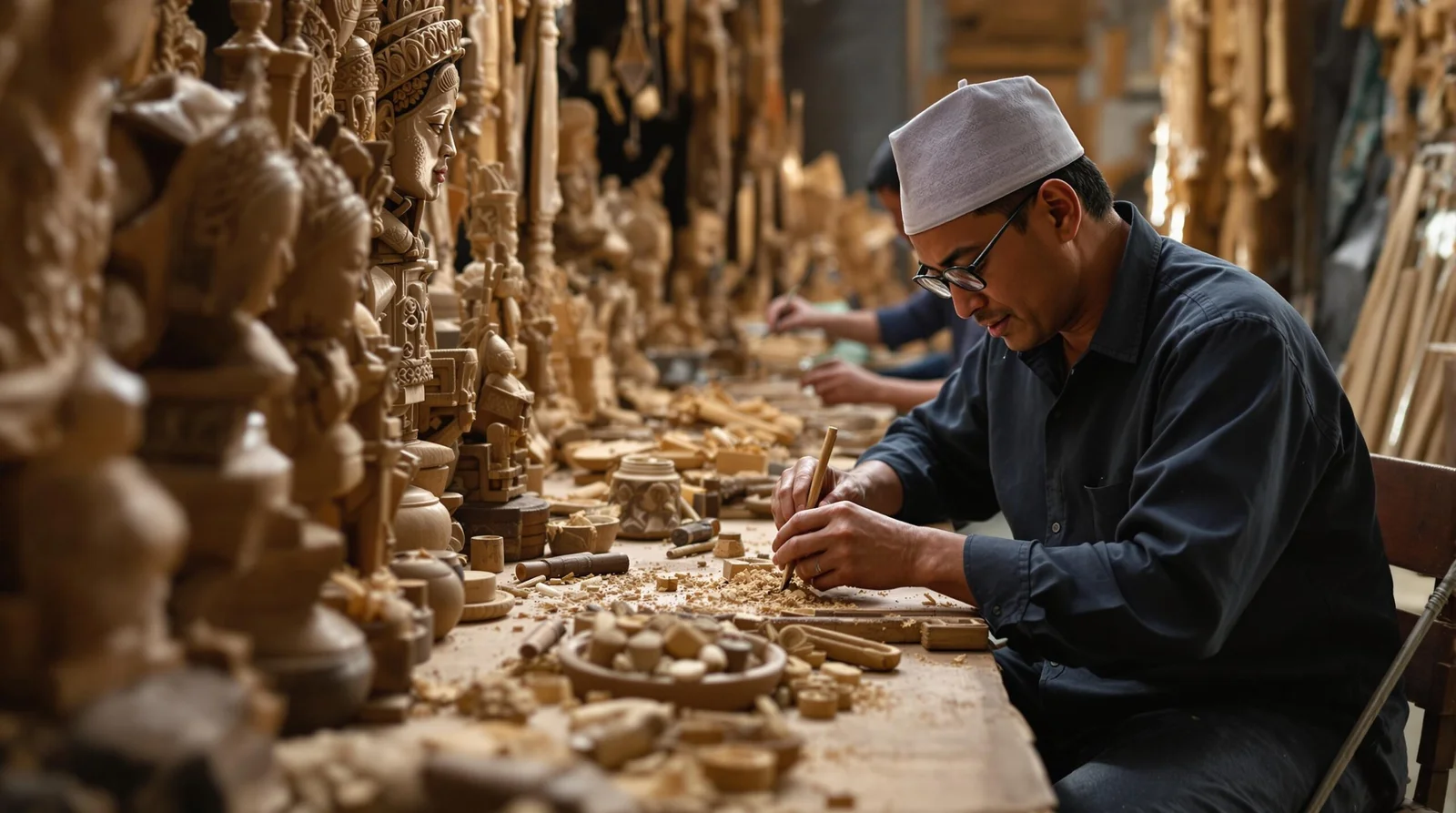
Jepara carving is internationally famous for its three-dimensional relief mastery. The designs are heavily dominated by fluid, deeply undercut plant motifs, blooming lotuses, and scrolling weed-vines (lung-lungan). The carving is so deep and intricate that the wood often mimics delicate lace, allowing light and air to pass completely through the solid timber panel.
The Kudus Style (The Sacred Javanese Gebyok)
Kudus carving is best seen in the creation of the Gebyok—a magnificent, massive hand-carved wooden partition wall that acts as the grand entrance to a traditional home. A single Gebyok blends Javanese animist symbols, Hindu-Buddhist lotus steps, and Islamic geometric calligraphy. It functions as a physical shield for the household, designed to filter out negative spiritual energy before someone crosses the threshold. To see how these historic coastal carving styles integrated with inland court architecture, map your cultural routing across the valleys using Google Maps - Central Java Heritage Clusters.
3. The Royal Connection: Sasono Ono and Palace Mastery
In Yogyakarta, the ultimate gallery of wood carving isn't a museum—it is the living architecture of the Kraton (Sultan's Palace) and the historic mansions of Kotagede.
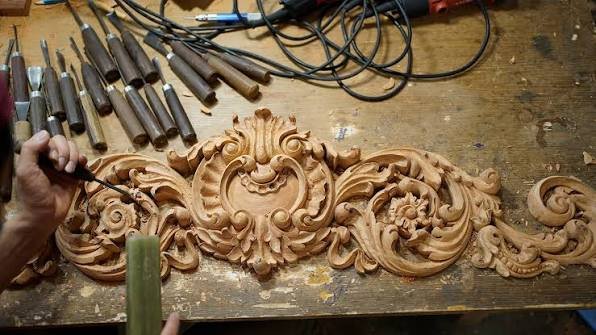
When you stand beneath the massive, towering wooden pillars (soko guru) of a royal pavilion, look upward at the ceiling joins. You will witness the Tumpangsari—a mesmerizing, tiered pyramid structure of interlocking, hand-carved wooden beams. Every surface is coated in traditional red, dark green, and brilliant gold leaf paint (prada), detailing complex spiritual symbols that protect the kingdom and chart the human path toward balance. You can explore independent historical essays detailing the evolution of Javanese architecture by browsing the digital library collections on the World History Encyclopedia.
The Heritage Overland Route: To trace the historical trail of these master carvers from the coastal craft capitals down to the royal palace halls of the south, explore our comprehensive Visit Nusa | Central Java Overland Expedition.
Shaping Your Journey: Choosing Your Craft Path
To ensure you experience the absolute highest standard of authentic Javanese craftsmanship without being routed into mass-produced tourist traps, we recommend selecting travel paths focused on slow, immersive learning.
The Slow Craft and Heritage Track
Perfect for collectors, interior designers, and travelers who want to dive deep into materials, tool selection, and advanced relief techniques. This path prioritizes visiting active rural cooperatives and independent master home-studios. To customize your dedicated artisan itinerary, browse the Visit Nusa | Yogyakarta Hidden Heritage Trek.
The Architectural and Monument Classic
Designed for first-time visitors who want a comprehensive look at how wood carving, stone masonry, and textile arts combine within Java's grandest historical sites. This tour effortlessly weaves together visits to majestic palaces, ancient temples, and local craft centers. Secure your private transport and expert guide via the Visit Nusa | Yogyakarta Classic Heritage Tour.
Step inside the sawdust-scented workshops of Java’s rural highlands, where ancestral chisels transform raw chunks of teak and mahogany into breathtaking works of living art.
Practical Insider Tips for Wood Art Collectors
- How to Identify Authentic Hand-Carving: Mass-produced machine carvings (CNC routers) are perfectly identical, flat, and show uniform, symmetrical tool marks with no minor imperfections. True hand-carved pieces feature slight, charming variations in depth, distinct chisel sweep directions, and an organic organic flow that feels lively and textured to the human touch.
- Understand Your Timber: High-grade Teak (Jati) is incredibly heavy, dense, and naturally oily, making it highly resistant to termites and warping over time. Mahogany (Mahoni) has a finer, tighter grain and a beautiful, rich reddish-brown hue that polishes up spectacularly.
- Coordinate with Verified Shipping Experts: If you fall in love with a large heritage piece like a Gebyok doorway or a hand-carved dining set, work through an established travel operator to coordinate professional packing, timber fumigation certificates, and ocean freight logistics to your home country. You can cross-reference traveler reviews on artisan shipping safety via Lonely Planet.
- Verify Regional Event Schedules: To catch active craft expos, live wood-carving competitions, and seasonal regional design fairs across the province, cross-check your dates with the national database at Wonderful Indonesia.
Meeting the master wood carvers of Java is a powerful reminder of what travel is supposed to be about: stepping off the beaten path, slowing down your pace, and witnessing the beautiful preservation of a timeless human skill.
Let the dedicated, culturally connected team at VisitNusa handle your premium private transportation, artisan studio permits, and expert local translators. Check out our complete directory of Visit Nusa | Indonesia Private Tour Packages today to reserve your custom itinerary and experience the real heart of Javanese artistry.
会話に参加
0 コミュニティからの丁寧なコメント
コメントを残す
体験をシェアするか質問する
まだコメントはありません
最初に感想を共有しましょう!