
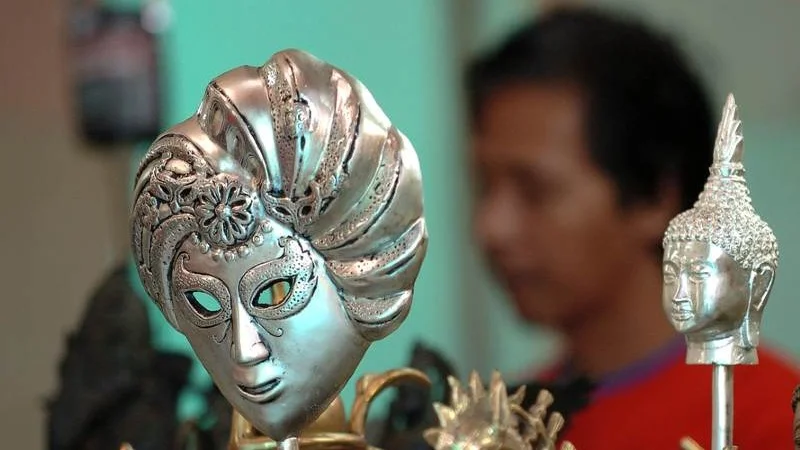
Silver Smithing in Kotagede: A Behind-the-Scenes Look
To enter the historic neighborhood of Kotagede, located just a few kilometers southeast of central Yogyakarta, is to step directly into a living, shimmering time capsule. The architecture here tells a story of mixed eras—ancient Hindu-style stone walls border elegant 19th-century European-style mansions and traditional wooden Joglo houses. Yet, the most distinct feature of Kotagede isn't its architecture; it is the sound. Walk down any narrow brick alleyway, and your ears will catch a beautiful, metallic symphony: the sharp, rhythmic tink-tink-tink of miniature hammers shaping precious metal.
This neighborhood was once the proud first capital of the Mataram Islam Sultanate in the late 16th century. To serve the lavish tastes of the royal court, elite artisans gathered here, mastering the delicate craft of smelting, carving, and spinning silver. When the capital later moved, the silver smiths stayed, preserving an unparalleled level of metalwork mastery that eventually captured global attention.
If you want to step off the standard commercial shopping strips and witness the raw, high-skill artistry of true Javanese metalwork, here is an exclusive look behind the scenes of silver smithing in Kotagede.

1. The Filigree Technique: Spatially Spun Metal Lace
While Kotagede produces stunning solid hand-hammered silverware and bowls, its absolute crowning artistic achievement is filigree (karangan). This is a technique so delicate that it pushes the boundaries of what seems possible with raw metal.
[ Pure Silver Block ] ---> Melted down and pulled into ultra-thin wire threads
[ The Frame Shaping ] ---> Bending thicker silver wire into the structural border
[ Filigree Spinning ] ---> Twisting and curling micro-threads to fill the frame
[ Soldering & Polish] ---> Heating with a blowpipe and polishing to a bright shine
The process begins by melting down pure silver and pulling it through progressively smaller dies until it transforms into wire threads as thin as a strand of human hair. The master artisan then bends a slightly thicker wire to create the outer frame of a design—such as a butterfly, a royal carriage, or a blooming lotus leaf.
Using nothing but a pair of micro-tweezers, exceptional eyesight, and meditative patience, the silversmith fills the interior empty spaces of the frame by curling, twisting, and packing the ultra-thin silver threads together. The piece is then dusted with a specialized metallic powder and lightly heated with a blowpipe to solder the micro-threads together without melting the delicate design. To understand how international heritage organizations catalog and evaluate these incredibly complex traditional jewelry techniques across Southeast Asia, you can browse the global artisan frameworks on the UNESCO Intangible Cultural Heritage Portal.
Try the Forge Yourself: Want to step past the retail display glass, sit down at a traditional wooden workbench, and learn how to solder and polish your very own custom silver ring under the guidance of a master smith? Check out our premium Visit Nusa | Yogyakarta Cultural Tour Packages for exclusive hands-on artisan workshop access.
2. A Walk Through the Alleys: Royal Roots and Hidden Workshops
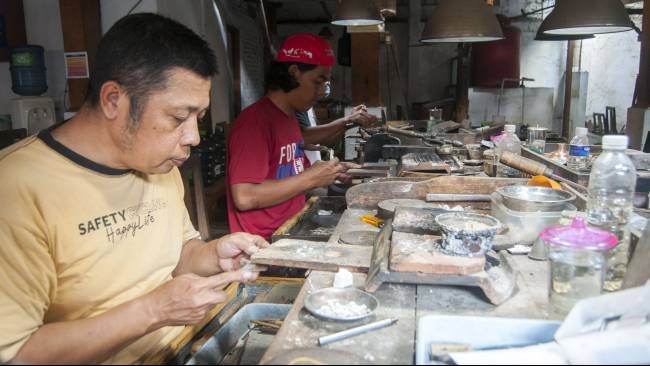
The true soul of Kotagede’s silver industry does not live in the bright, air-conditioned showrooms lining the main transit roads. It thrives in the hidden, shadow-filled home-workshops tucked deep inside the residential labyrinth behind the historic markets.
In these quiet courtyards, you will find multi-generational families working together. Elders with decades of muscle memory shape large silver plates into royal Keris (sacred daggers) handles or elaborate ceremonial bowls using the repoussé technique—hammering the metal from the reverse side to create deep, three-dimensional relief patterns. Nearby, younger family members learn the precision art of stone-setting and filigree twisting.
This deep sense of community preservation is what keeps Kotagede's identity alive. To see how these historic neighborhood clusters connect to the broader geography of the Sultanate, or to plan a walking route through the ancient royal cemetery nearby, you can map coordinates directly on Google Maps - Kotagede Heritage Clusters.
3. The Royal Legacy: From Palace Regalia to Global Trade
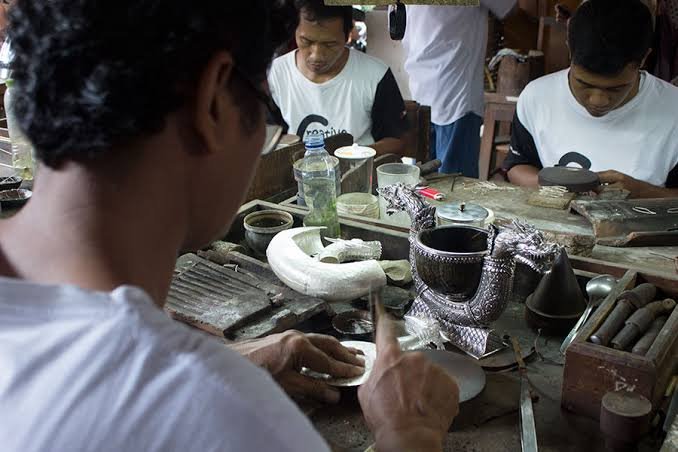
Historically, Kotagede's silver smiths held an elite status, working exclusively under royal commission to create the Sultan's tableware, state regalia, and diplomatic gifts. In the early 20th century, the craft underwent an exciting evolution through a unique collaboration between local master artisans and Dutch design networks, which introduced highly polished, functional lifestyle pieces to European markets while maintaining authentic Javanese motifs like the Kawung palm-fruit geometry and Parang waves.
To explore independent historical essays detailing the fascinating maritime trade routes and artistic exchanges that shaped the culture of Central Java, browse the digital archives on the World History Encyclopedia.
The Overland Cultural Route: If your travel goal is to explore how royal arts evolved across the different historic capitals of Central Java in a single, smooth journey, secure your place on our comprehensive Visit Nusa | Central Java Overland Expedition.

Navigating the Craft: Choosing Your Authentic Path
To ensure your journey into the world of traditional Javanese crafts is meaningful, educational, and free from commercial tourist traps, we recommend selecting travel tracks designed around slow, immersive exploration.
The Hidden Crafts and Heritage Track
Perfect for collectors, jewelry lovers, and travelers who want to skip the commercial storefronts. This track takes you deep into the ancient residential wards of Kotagede, focusing on raw materials, meeting independent home artisans, and understanding old-world tool mastery. To customize your specialized craft itinerary, check out the Visit Nusa | Yogyakarta Hidden Heritage Trek.
The Complete Yogyakarta Classic
Designed for first-time visitors who want a smooth, luxury blend of monumental history and living culture. This path effortlessly connects visits to majestic landmarks like Borobudur and the Sultan's Palace with curated introductions to traditional batik, silver smithing, and fine culinary arts. Secure your private vehicle and expert guide via the Visit Nusa | Yogyakarta Classic Heritage Tour.
Step into the historic, labyrinthine alleyways of Kotagede, where the metallic rhythm of tiny hammers has echoed for over four centuries, transforming raw silver into breathtaking filigree masterpieces.
Practical Insider Tips for the Discerning Silver Collector
- Understand the Hallmarks: When purchasing premium silver in Kotagede, look for the "925" stamp or hallmark. This certifies that the piece is genuine Sterling Silver, containing 92.5% pure silver mixed with 7.5% copper for structural durability (pure silver on its own is too soft to maintain intricate filigree shapes).
- Support the Local Neighborhood: Whenever possible, purchase your items directly from the independent family workshops or the community-led cooperatives tucked inside the residential lanes. Buying directly ensures that your travel footprint directly sustains the artisan families who keep this 400-year-old lineage alive. You can read independent traveler ratings on ethical studios via Lonely Planet.
- Monitor Regional Design Calendars: For accurate real-time updates on seasonal jewelry expos, national craft fairs, and heritage design events across the province, cross-check your itinerary with the official portal at Wonderful Indonesia.
Slowing down your pace to look behind the scenes in Kotagede transforms your perception of jewelry from a simple accessory into a profound appreciation for historical engineering, patience, and ancestral pride.
Let the dedicated, culturally connected team at VisitNusa manage your premium private transportation, artisan studio access, and expert local translators. Browse our complete collection of Visit Nusa Indonesia | Private Tour Packages today to reserve your custom itinerary and discover the real heart of Javanese mastery.
会話に参加
0 コミュニティからの丁寧なコメント
コメントを残す
体験をシェアするか質問する
まだコメントはありません
最初に感想を共有しましょう!