
The Story Behind Javanese Batik: A Cultural Journey
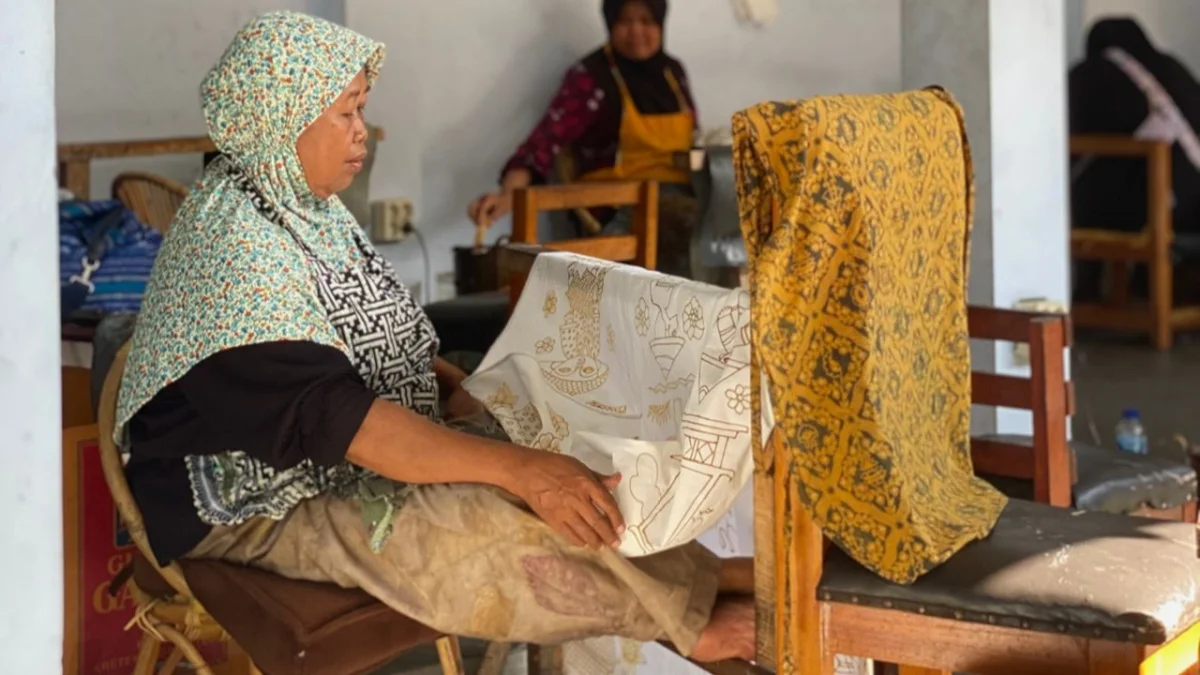
To step into a quiet, shadow-filled workshop in Central Java is to encounter a sensory experience that has defined the island for centuries. The air is warm, thick with the earthy, sweet aroma of melting beeswax, and punctuated by the soft, rhythmic scratching of copper pens brushing against raw cotton fabric. This is the birthplace of Batik Tulis—the ultimate expression of Javanese artistic soul.
While many global travelers recognize batik as a beautifully complex patterned fabric, to the Javanese mind, it is far more than a textile. The word batik is derived from the Javanese words amba (to write) and titik (dot). It is a process of writing a spiritual language onto cloth. Every swirl, geometric grid, and stylized wing hand-drawn into the fabric carries a specific philosophy, a blessing, and a direct reflection of Java's intricate cultural history.
If you want to look past the souvenir stalls and truly appreciate the profound mastery behind Indonesia's most famous art form, here is your definitive guide to the cultural journey of Javanese Batik.
1. The Canvas of Patience: The Sacred Ritual of Batik Tulis
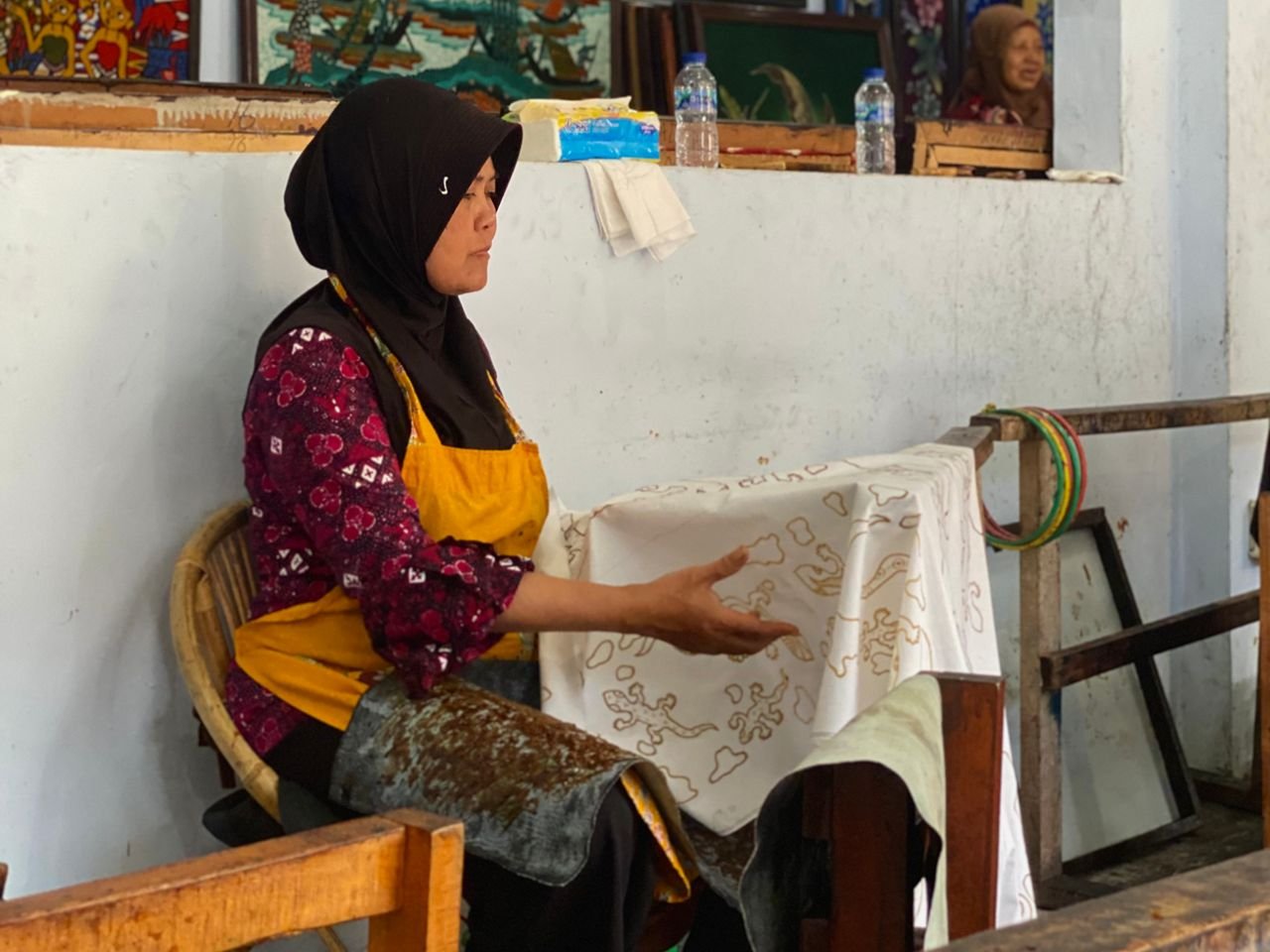
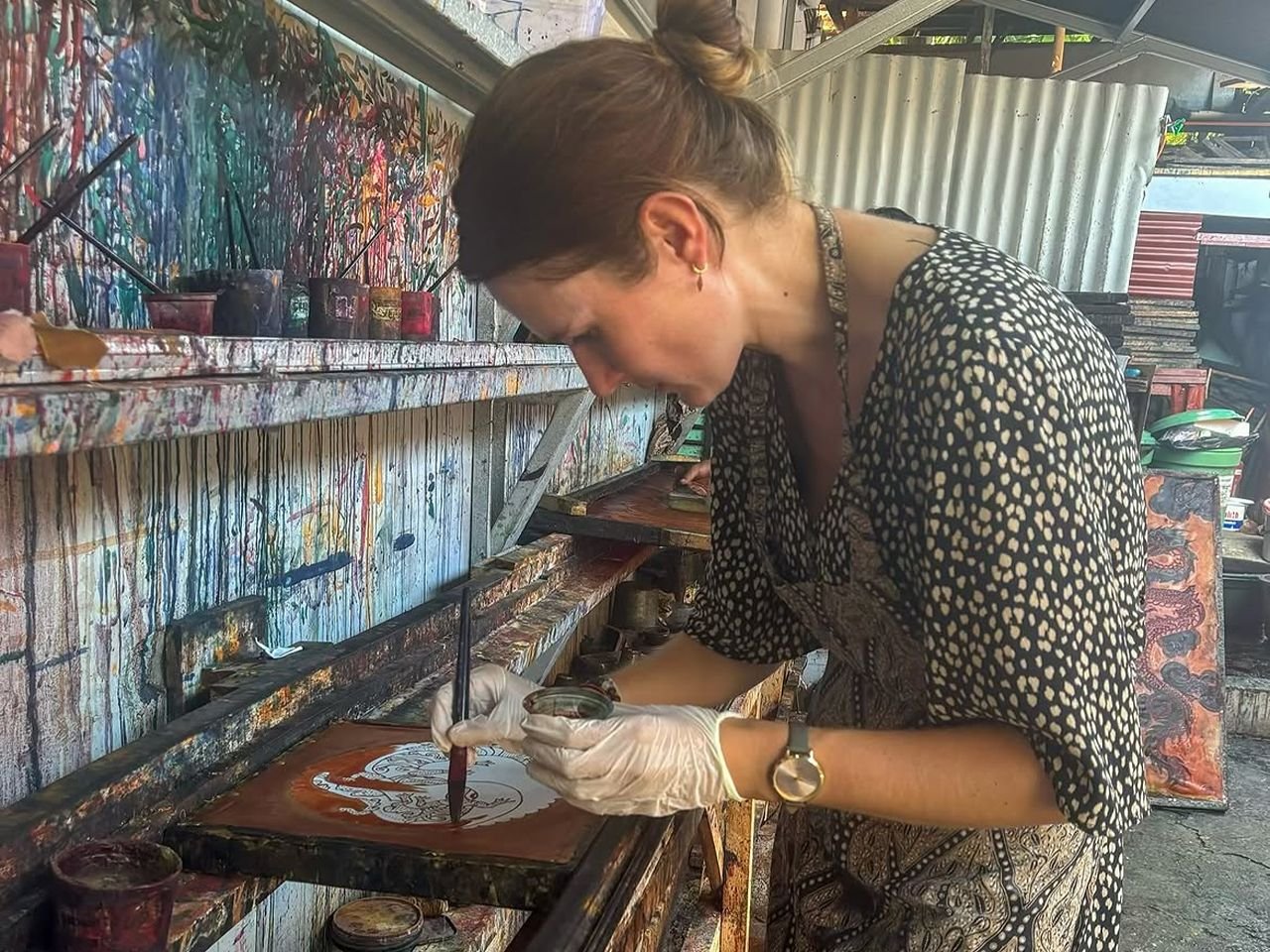
True Javanese Batik is an astonishing exercise in slow, meditative patience. The classical process, known as Batik Tulis (written batik), rejects modern machinery entirely in favor of an ancient wax-resist dyeing technique.
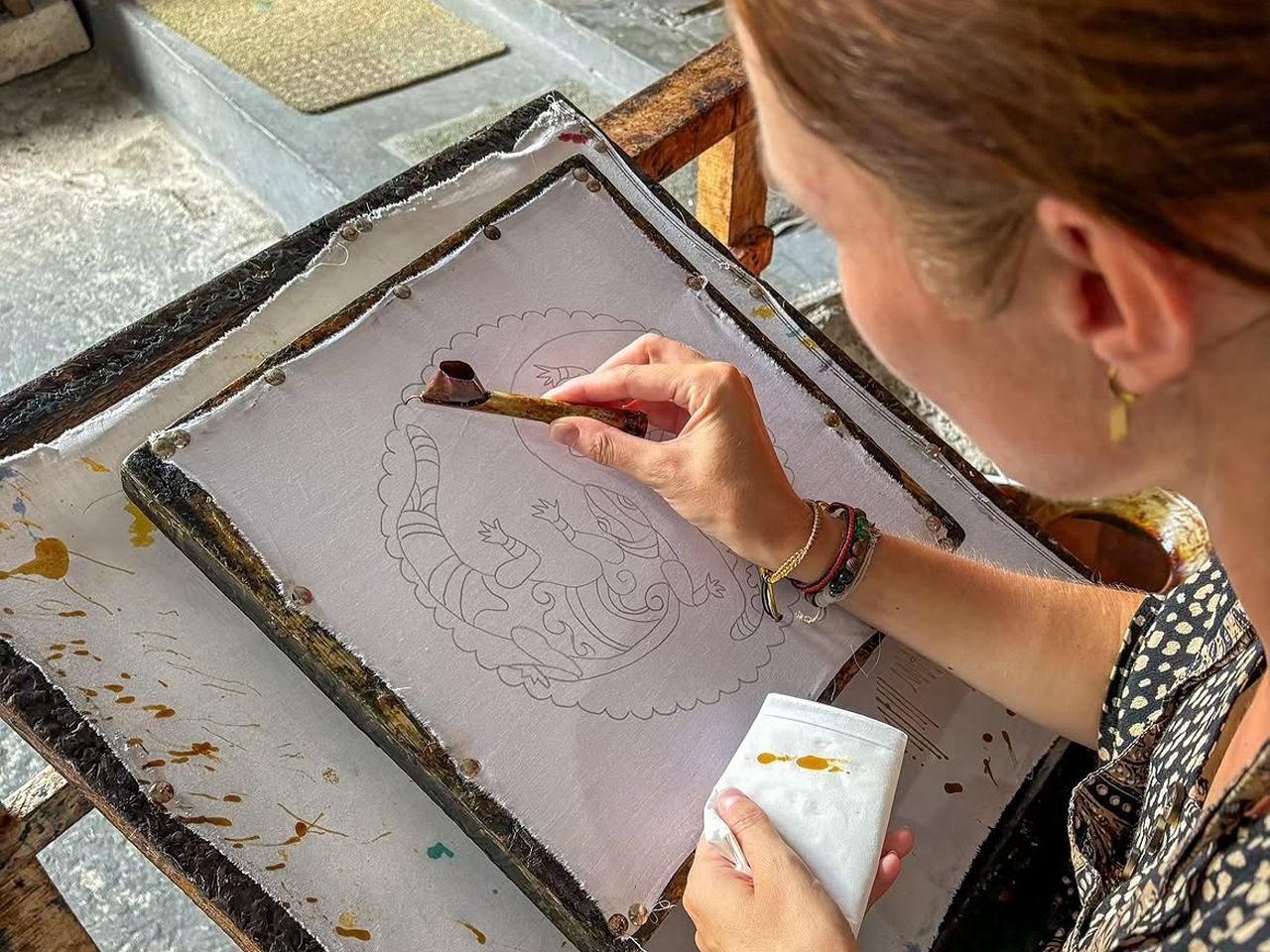
The artisan sits gracefully on a low wooden stool, balancing a canvas of cotton or silk across her lap. Using a canting—a delicate bamboo-handled pen featuring a tiny, hand-beaten copper reservoir—she scoops up liquid beeswax heated over a small charcoal stove. With absolute precision and a breath-controlled flow, she traces incredibly complex, flowing designs onto the cloth.
Because the hot wax penetrates both sides of the fabric, the process must be repeated flawlessly on the reverse side. A single piece of high-grade Batik Tulis can easily take anywhere from one month to an entire year to complete. To dive deeper into the historical significance, cultural preservation logs, and global mastery of this technique, you can browse the official archives curated by the UNESCO Intangible Cultural Heritage Portal.
Meet the Living Masters: Want to step away from commercial retail outlets and enter a historic artisan enclave to try drawing with a traditional canting pen yourself? Explore our tailored Visit Nusa | Yogyakarta Cultural Tour Packages for exclusive access to heritage home-workshops led by generations of master creators.
2. Decoding the Stone Patterns: Royal Rules and Sacred Meanings
In the historic court systems of Central Java, batik functioned as a sophisticated social code. Certain geometric layouts were considered highly sacred and were legally reserved strictly for royal families, sultans, and court officials.
The Parang Pattern (The Knife / Broken Blade)
Instantly recognizable by its bold, diagonal rows of interlocking S-shaped waves, Parang is one of the oldest and most powerful royal motifs in Java. The pattern mimics the relentless crashing of the Indian Ocean waves against towering limestone cliffs. It symbolizes unbreakable resolve, spiritual strength, and the continuous duty of a leader to rule with wisdom and justice.
The Kawung Pattern (The Palm Fruit Cross)
Composed of intersecting circles that form stylized four-leaf structures, Kawung has deep geometric roots dating back to 13th-century temple reliefs. The central intersection point represents the king or a human soul, while the four surrounding quadrants represent the cardinal directions and the primary elements of nature. It stands for absolute balance, spiritual purity, and a clear conscience. You can trace how these specific visual symbols migrated along early Southeast Asian maritime networks by exploring the regional history collections on the World History Encyclopedia.
3. The Great Divide: Solo vs. Yogyakarta Styles
As you journey across the heart of Central Java, you will quickly notice that batik patterns evolve based on regional geography and history. The two primary schools of classical design are rooted in the rival royal courts of Solo (Surakarta) and Yogyakarta.
- Yogyakarta Style (Batik Jogja): Features a stark, theatrical contrast between bold, dark designs and brilliant, clean milk-white backgrounds. The patterns look geometric, clean, and rigid, reflecting the proud, unyielding independence of the Yogyakarta Sultanate.
- Solo Style (Batik Solo): Characterized by incredibly soft, highly detailed, and delicate motifs layered across warm, golden-brown, amber, and deep soga-earth tones. The vibe is fluid, aristocratic, and deeply subtle.
To see how these two royal cities connect across the volcanic valleys, or to map out a driving route to the famous batik-weaving villages like Kotagede or Imogiri, cross-reference coordinates directly on Google Maps - Central Java Cultural Routes.
The Heritage Overland Route: If your travel goal is to compare the grand palaces, artisan alleys, and unique batik energies of both historic cities in a single, perfectly flowing trip, secure your itinerary through our Visit Nusa | Central Java Overland Expedition.
Uncovering the Art: Choosing Your Cultural Path
To experience the living soul of Javanese crafts without falling into mass-produced tourist shops, we recommend selecting travel paths focused on authentic community interaction.
The Artisan Workshop Track
Perfect for travelers who want to slow down and focus on hands-on craft. This route takes you behind the scenes into active community cooperatives, natural dye laboratories, and heritage villages specializing in hand-drawn textile arts. To plan your customized slow-travel journey, explore the details of the Visit Nusa | Yogyakarta Hidden Heritage Trek.
The Complete Cultural Classic
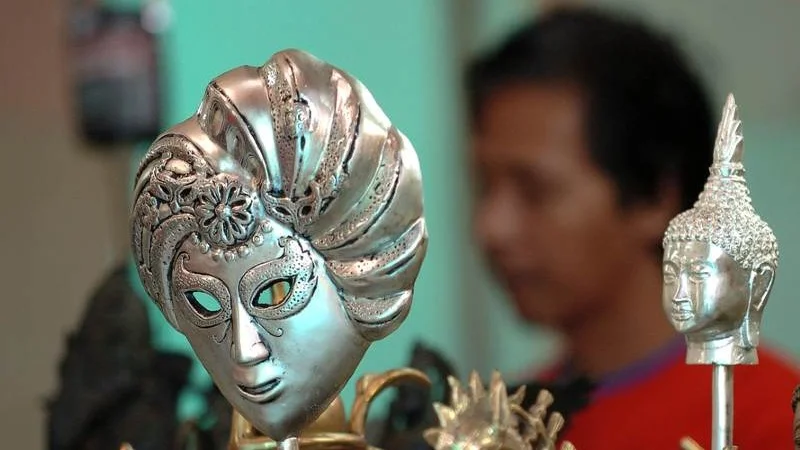
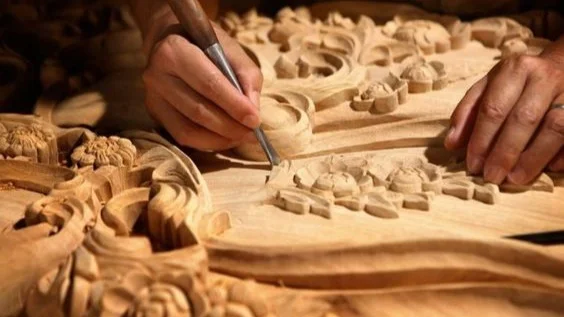
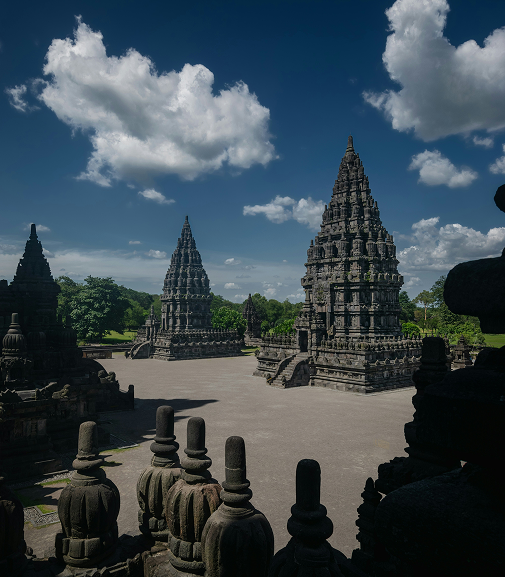
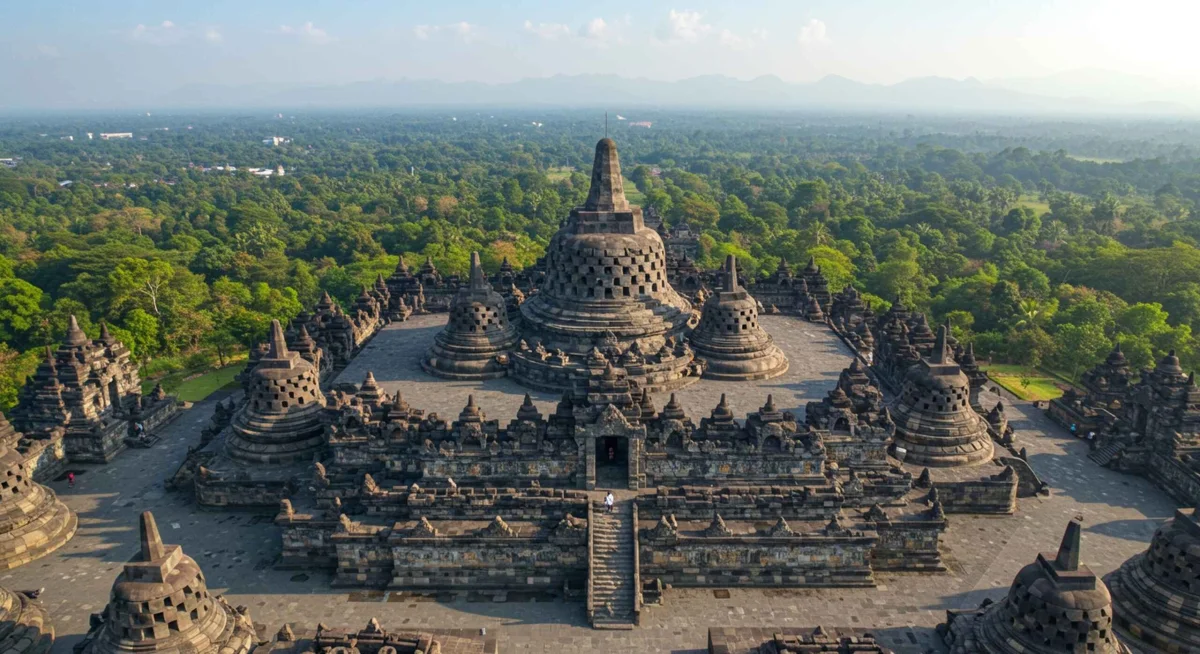
Designed for first-time visitors who want a smooth blend of architectural monuments and living arts. This path combines visits to iconic landmarks like the Sultan's Palace and Borobudur with curated introductions to traditional court arts, including silver-smithing, gamelan music, and batik creation. Secure your private car and specialist guide via the Visit Nusa | Yogyakarta Classic Heritage Tour.
Discover the poetic symbolism, ancient meditative rituals, and royal legacies that transform Javanese Batik from a beautiful textile into a living canvas of human history.
Practical Tips for the Discerning Batik Collector
- Learn to Spot Authentic Work: Mass-printed factory fabric (often marketed cheaply as "batik") is perfectly uniform, features a pattern printed on only one side, and smells faintly of chemical ink. True Batik Tulis has charming, organic irregularities, shows the design clearly on both sides of the cloth, and carries the unforgettable scent of natural beeswax.
- Support Local Creators Directly: Buy your textiles directly from the village cooperatives and individual family workshops where the artists work. Purchasing directly ensures that 100% of your economic footprint stays inside the local community to sustain a priceless human art form. You can read independent traveler reviews on ethical workshops by browsing community forums on Lonely Planet.
- Check Seasonal Art Calendars: For accurate updates on regional textile expos, live court dance performances, and national cultural festivals celebrating Indonesian heritage fabrics, consult the official state repository at Wonderful Indonesia.
Understanding the layers of philosophy, meditation, and ancestral pride woven into every thread of Javanese Batik transforms a simple piece of cloth into an inspiring, museum-quality masterpiece.
Let the professional, culturally integrated team at VisitNusa handle your premium private transportation, exclusive artisan permits, and highly educated local translators. Browse our complete inventory of Visit Nusa Indonesia | Private Tour Packages today to reserve your custom itinerary, step completely off the tourist trails, and immerse your senses in the living traditions of Java.
会話に参加
0 コミュニティからの丁寧なコメント
コメントを残す
体験をシェアするか質問する
まだコメントはありません
最初に感想を共有しましょう!