
The Twin Titans of Java: Why Borobudur and Prambanan Belong on Your Global Bucket List
Indonesia is a sprawling, jaw-dropping archipelago of over 17,000 islands, defined by smoking volcanic peaks, pristine tropical coastlines, and a complex tapestry of living cultures. Yet, among its countless natural and historical wonders, few destinations possess the profound cultural weight and artistic gravity of Central Java’s twin ancient kingdoms: Borobudur Temple and Prambanan Temple.
Clustered within the fertile volcanic plains surrounding Yogyakarta, these two monumental UNESCO World Heritage Sites serve as iconic anchors of Southeast Asian history. For international travelers crossing the globe to step foot on Javanese soil, discovering these sprawling stone sanctuaries isn't merely a casual holiday stop—it is an unforgettable journey through time that quickly becomes the absolute highlight of their Indonesian expedition.
While both architectural wonders are frequently paired together within a single day or weekend, they offer brilliantly contrasting experiences. Borobudur mirrors the quiet, introspective spirituality of classical Mahayana Buddhism, while Prambanan showcases the soaring, theatrical grandeur and rich mythology of ancient Hindu civilization. Together, they tell a beautiful, historic story of regional religious harmony that feels incredibly timeless.
If you are currently mapping out your next grand adventure, here is the definitive, honest breakdown of why Borobudur and Prambanan absolutely deserve an elite placement on your lifetime travel bucket list.
Discover why Java’s twin UNESCO masterpieces—the meditative stone pyramid of Borobudur and the towering, dramatic spires of Prambanan—rightfully anchor the ultimate global travel bucket list.
Borobudur Temple: The World’s Ultimate Buddhist Masterpiece
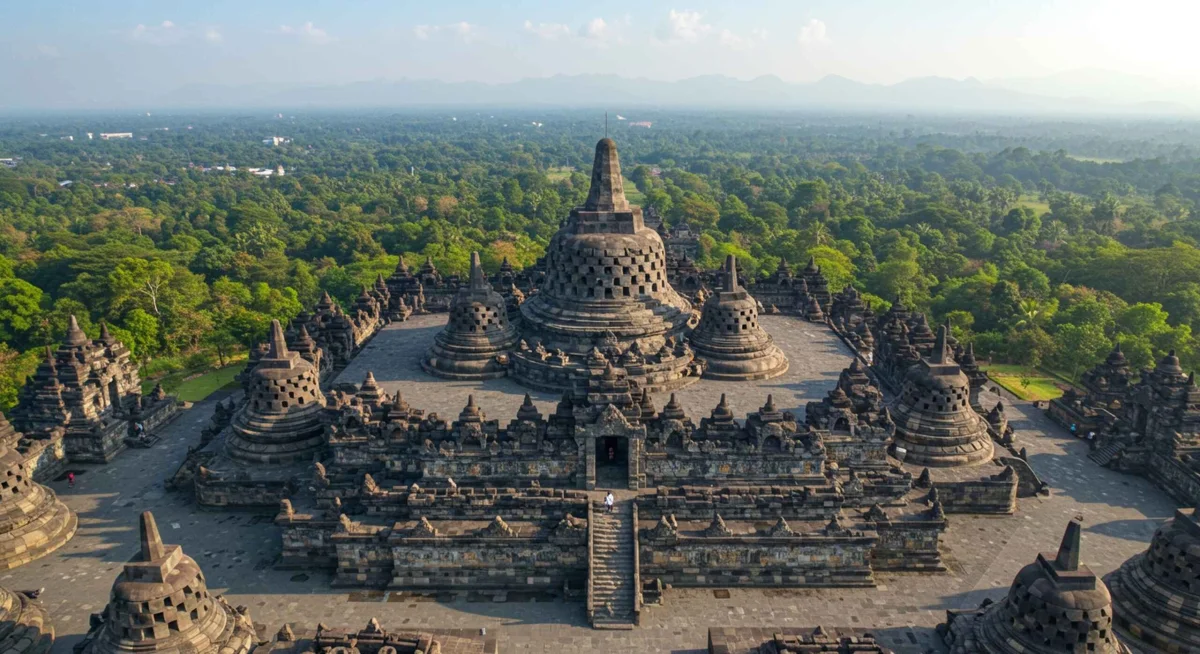
Rising proudly above the misty green canopies of the Kedu Plain, Borobudur Temple stands as an extraordinary architectural masterpiece and the largest Buddhist temple on Earth. Built between the 8th and 9th centuries under the prosperous rule of the Syailendra Dynasty, this colossal monument lay abandoned for centuries beneath thick layers of volcanic ash and jungle growth before its dramatic restoration.
What positions Borobudur at the pinnacle of global ancient architecture isn’t just its sheer, massive scale—it is the brilliant spiritual philosophy woven directly into its physical design. The entire structure acts as a giant, three-dimensional stone mandala, built to guide pilgrims on a physical and symbolic journey toward spiritual enlightenment (Nirvana).
As you ascend through the temple's three distinct architectural levels—representing the transition from the world of base desires (Kamadhatu) to the world of pure form (Rupadhatu), and finally to the formless realm of absolute truth (Arupadhatu)—you are flanked by more than 2,600 meticulously hand-carved stone relief panels and 504 serene Buddha statues.
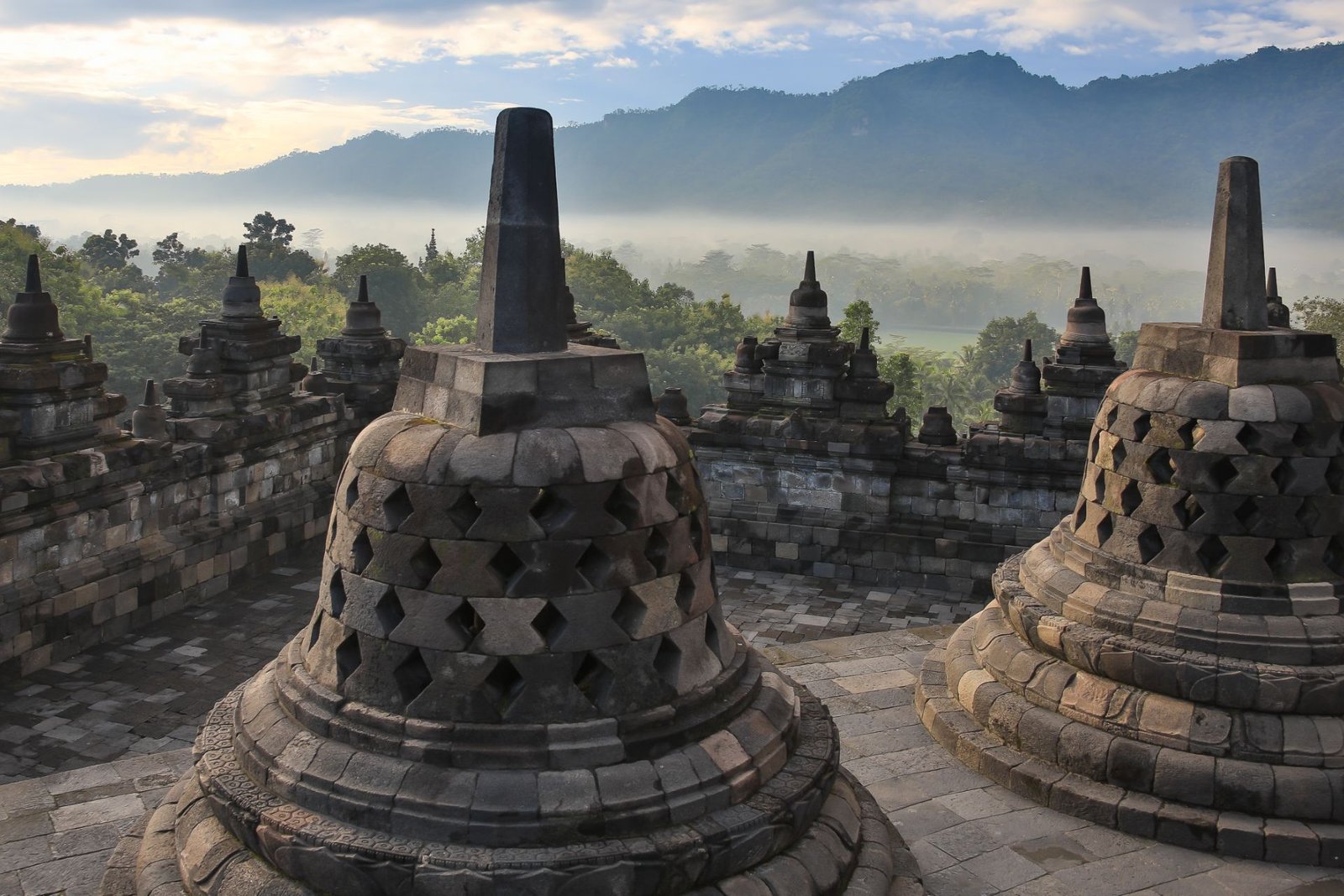
To witness dawn breaking over the upper tiers of Borobudur is a bucket-list experience that defies description. As the cool morning mountain mist blankets the valleys below and the sharp silhouettes of distant volcanic peaks pierce the golden horizon, the atmosphere shifts into something deeply meditative, surreal, and completely unforgettable.
- Arupadhatu: Nirvana Circular Terraces & Stupas
- Rupadhatu: World of Form Square Terraces & Detailed Reliefs
- Kamadhatu: World of Desires The Covered Base
Why Borobudur Anchors Your Bucket List:
- The World's Largest Buddhist Monument: Stand atop a structural wonder that rivals the classical scale of the Egyptian pyramids.
- Unrivaled Sunrise & Morning Landscapes: Capture the iconic volcanic backdrop of Mount Merapi framed perfectly by ancient stone bell stupas.
- A Living History Book: Walk alongside miles of perfectly preserved 9th-century reliefs detailing ancient Javanese courtly life, maritime trade, and spiritual lore.
Prambanan Temple: The Grand Hindu Spire of Southeast Asia
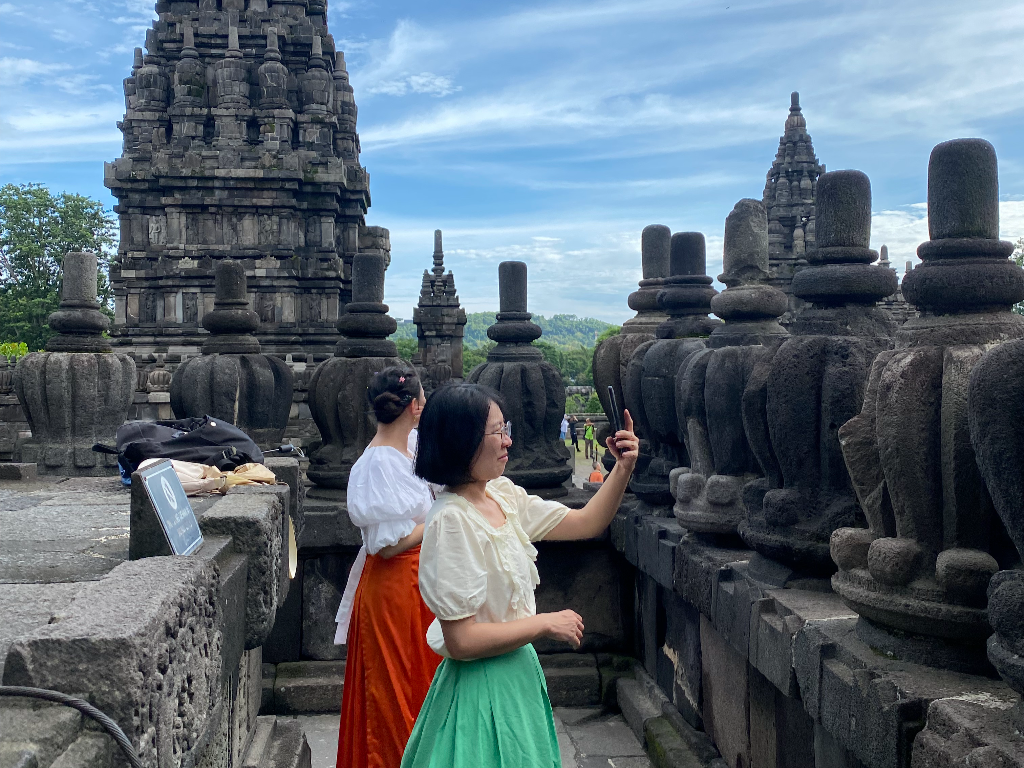
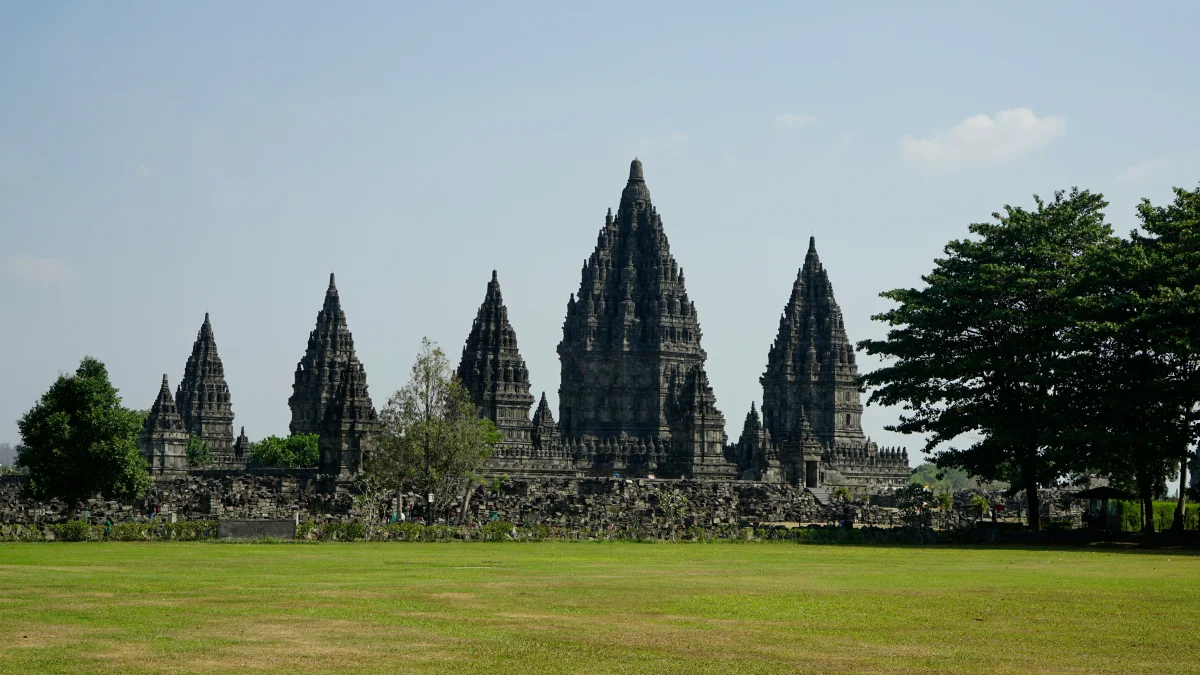
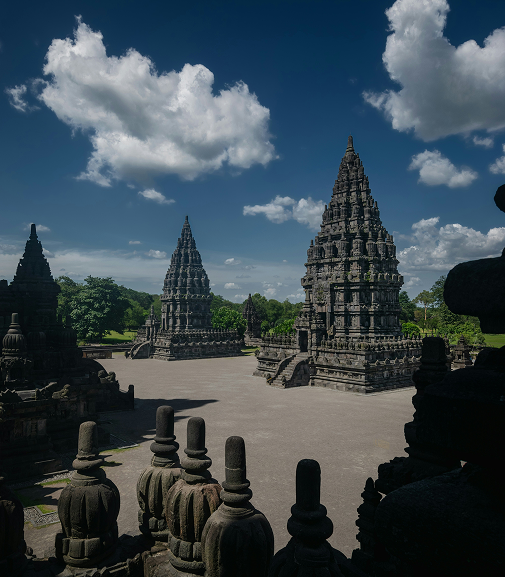
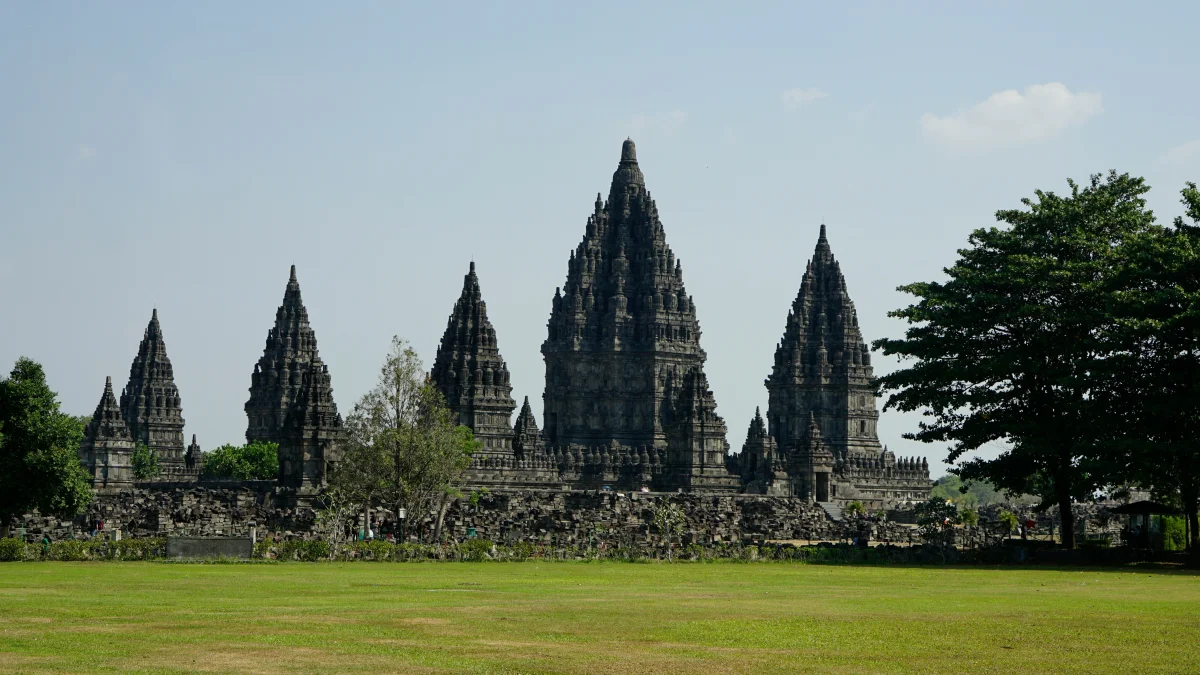
While Borobudur invites quiet reflection, Prambanan Temple counters with sheer, dramatic visual power. Dominated by tall, jagged spires that slice dramatically into the tropical sky, Prambanan is the largest and most architecturally striking Hindu temple complex in Indonesia, representing the historical height of the ancient Mataram Kingdom.
Built in the 9th century as a direct cultural answer to Borobudur, this soaring complex is dedicated to the Hindu Trimurti—the triple deity of supreme divinity:
- Brahma: The Creator
- Vishnu: The Preserver
- Shiva: The Destroyer
The central inner compound features an elegant array of towering structures, led by the magnificent Shiva Temple, which reaches a breathtaking 47 meters (154 feet) into the sky. For travelers catching their first glimpse of the complex from the outer lawns, the scale is instantly captivating. The pointed, volcanic stone spires create a sharp silhouette that glows beautifully during the late afternoon golden hour, turning the entire archaeological zone into an absolute dream for travel photographers.
The Evening Spectacle: The Legendary Ramayana Ballet
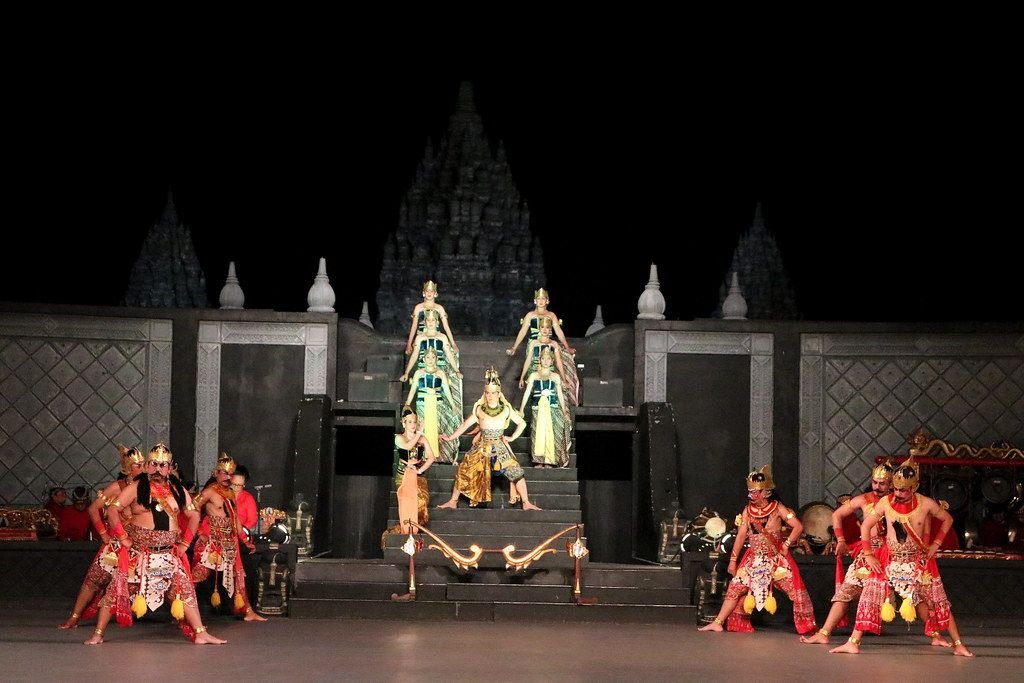
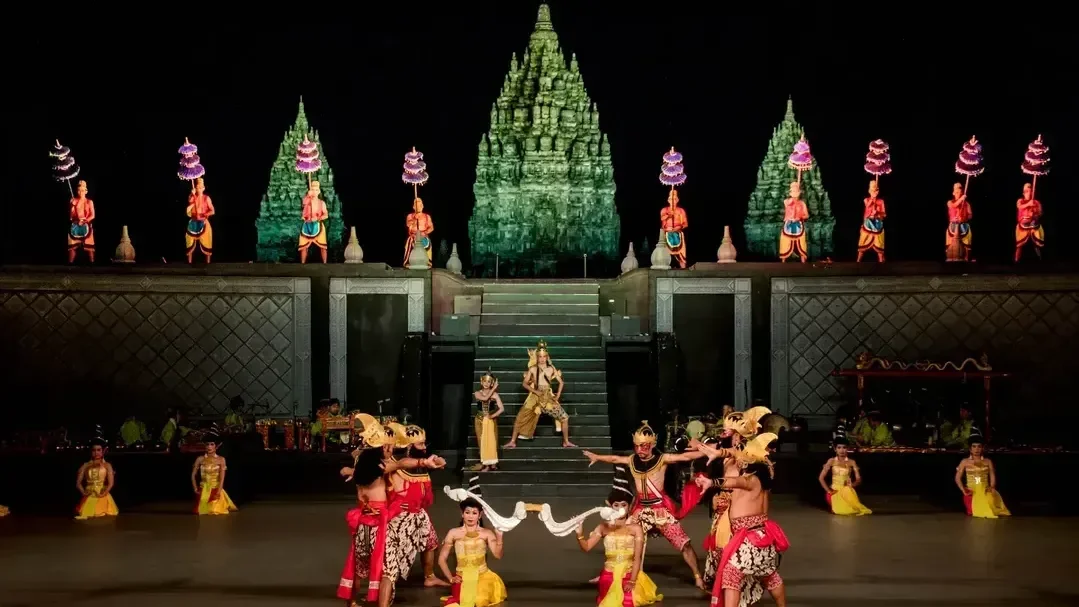
Your exploration of Prambanan shouldn't end when the sun sets behind the stone ruins. To truly understand the living mythology of the site, you must witness the world-renowned Ramayana Ballet Prambanan.
This grand cultural performance brings the ancient stone carvings of the temple walls to life through classical Javanese dance, traditional gamelan orchestral music, vibrant costumes, and dramatic fire-lit acrobatics. Performed on a spectacular open-air theater stage, the illuminated spires of Prambanan serve as a live, glowing backdrop beneath the starry night sky. It is a brilliant display of cultural storytelling that seamlessly bridges the gap between the ancient past and living performance art.
Smart Logistics: Crafting the Perfect Temple Route
To maximize your journey through these historical wonders, proper routing and scheduling are essential. Because the temples sit on opposite sides of the region, understanding regional logistics will guarantee a seamless travel flow. You can map out your precise travel times and explore the surrounding landscape features directly via Google Maps - Yogyakarta Temple Routes.
- Yogyakarta to Borobudur: Roughly 42 kilometers northwest of the city center, taking between 1.5 to 2 hours via private vehicle.
- Yogyakarta to Prambanan: Located just 17 kilometers east of the city, an easy 30 to 45-minute drive from major downtown hotels.
The Ultimate Elite Day Itinerary
To capture both monuments at their absolute best, the most effective strategy is to split your day around the sun's natural patterns. Start with an early morning departure to catch the crisp light and misty volcano views at Borobudur. Break up the midday heat with a thrilling off-road Mount Merapi Lava Tour, then head east to arrive at Prambanan by 4:00 PM to watch the warm, golden sunset light illuminate the towering Hindu spires.
Practical Insider Tips for International Travelers
- Secure Tickets in Advance: To preserve the ancient volcanic stone, the Indonesian government enforces strict daily visitor limits for climbing the upper structures of Borobudur. Booking your specialized access tickets weeks in advance is highly recommended. You can check ticket availabilities and read extensive traveler reviews via Visit Nusa - Borobudur & Prambanan Tours.
- Dress with Respect: Both destinations remain deeply sacred active sites of worship. Travelers must dress modestly by ensuring shoulders and knees are fully covered. High-quality batik sarongs are typically provided at the gates or can be seamlessly managed by your tour coordinator.
- Beat the Tropical Heat: The Javanese sun can be intense by midday. Wear sturdy, comfortable walking shoes with good traction for the steep stone stairs, pack a wide sun hat, wear premium UV sunscreen, and always carry a reusable water bottle.
- Check Official Travel Portals: For updated information on seasonal cultural festivals, archaeological preservation schedules, and local holiday opening hours, cross-reference your travel dates with the official portal of the Indonesia Ministry of Tourism - Wonderful Indonesia.
Few destinations across the globe manage to combine deep spiritual heritage, architectural genius, natural volcanic beauty, and legendary local hospitality as seamlessly as Central Java. Whether you are walking through the peaceful stone galleries of Borobudur or standing beneath the towering spires of Prambanan, these monuments offer a transformational travel experience that stays with you long after the journey ends.
Let the professional destination experts at Visit Nusa handle your luxury private transportation, exclusive entry permits, and expert historical guides so you can escape the crowds and immerse yourself fully in the magic of Java.
Join the Conversation
0 thoughtful comments from our community
Leave a Comment
Share your experience or ask questions
No comments yet
Be the first to share your thoughts!