
The Ramayana Ballet: Discover Java’s Timeless Epic in Yogyakarta a Story That Lives Beyond Time
There are cultural performances that entertain, and then there are performances that transport audiences into another world entirely. The Ramayana Ballet belongs firmly in the second category.
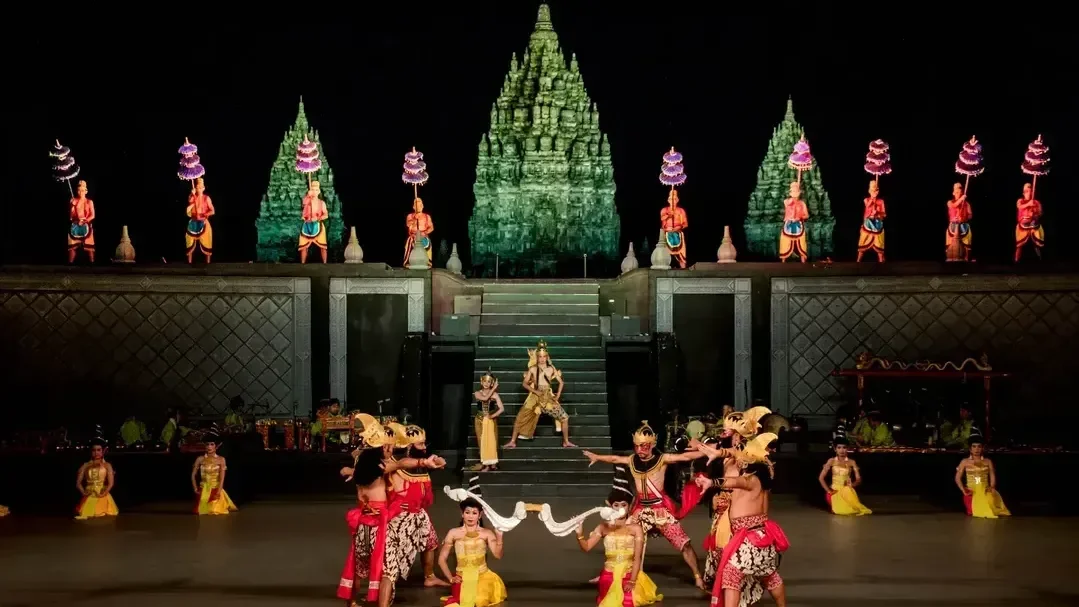
As evening descends over Central Java, the towering silhouette of Prambanan Temple begins to glow under carefully placed lights. The atmosphere shifts almost immediately. The sounds of the gamelan orchestra emerge slowly into the night air, dancers appear in elaborate traditional costumes, and one of Asia’s oldest epics begins to unfold through movement rather than words.
For many international travelers visiting Yogyakarta, the Ramayana Ballet becomes more than a cultural attraction. It becomes one of the defining memories of their journey through Indonesia.
What makes the experience extraordinary is not only the performance itself, but the way architecture, music, dance, mythology, and setting merge into a single theatrical experience that feels uniquely Javanese.
What Is the Ramayana Ballet?
The Ramayana Ballet is a classical Javanese dance-drama inspired by the ancient Hindu epic Ramayana. While versions of the Ramayana exist throughout Asia, the interpretation performed in Yogyakarta has evolved into a distinct cultural expression deeply rooted in Javanese artistic traditions.
Unlike Western theater productions, the Ramayana Ballet relies very little on spoken dialogue. Instead, the narrative is communicated through:
- Highly controlled body movements
- Symbolic hand gestures
- Facial expressions
- Traditional dance choreography
- Live gamelan music
- Elaborate costumes and staging
The absence of spoken narration is part of what makes the performance so universally accessible. Even visitors unfamiliar with Indonesian culture or the Ramayana story itself can easily follow the emotional rhythm of the performance through visual storytelling.
The Prambanan version of the Ramayana Ballet has been performed continuously since 1961 and is considered one of Indonesia’s most iconic cultural performances.
The Story Behind the Performance
At the center of the ballet is the timeless story of Prince Rama and Princess Sinta.
The narrative begins when Sinta is abducted by the demon king Ravana (locally known as Rahwana). Rama, accompanied by his loyal brother Lakshmana and the legendary monkey warrior Hanuman, embarks on a journey to rescue her. Along the way, themes of loyalty, sacrifice, love, courage, and justice unfold through a series of dramatic encounters.
One of the most famous moments in the performance is Hanuman’s fire scene, where flames erupt dramatically across the stage as Hanuman attacks the kingdom of Alengka. For many visitors, this becomes the emotional and visual climax of the evening.
What makes the storytelling particularly compelling is the precision of the choreography. Every gesture carries meaning. Slow, graceful movements symbolize nobility and refinement, while sharper and more dynamic movements represent aggression or chaos.
The performance therefore operates on multiple levels simultaneously—as entertainment, cultural expression, and symbolic storytelling.
The Extraordinary Setting of Prambanan Temple
Few cultural performances in the world benefit from a setting as visually powerful as Prambanan.
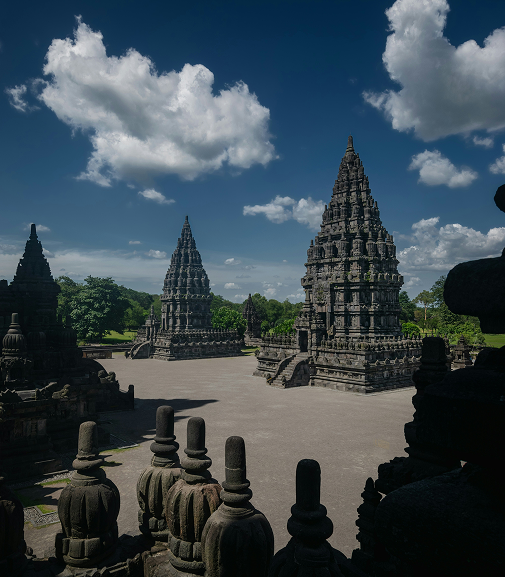
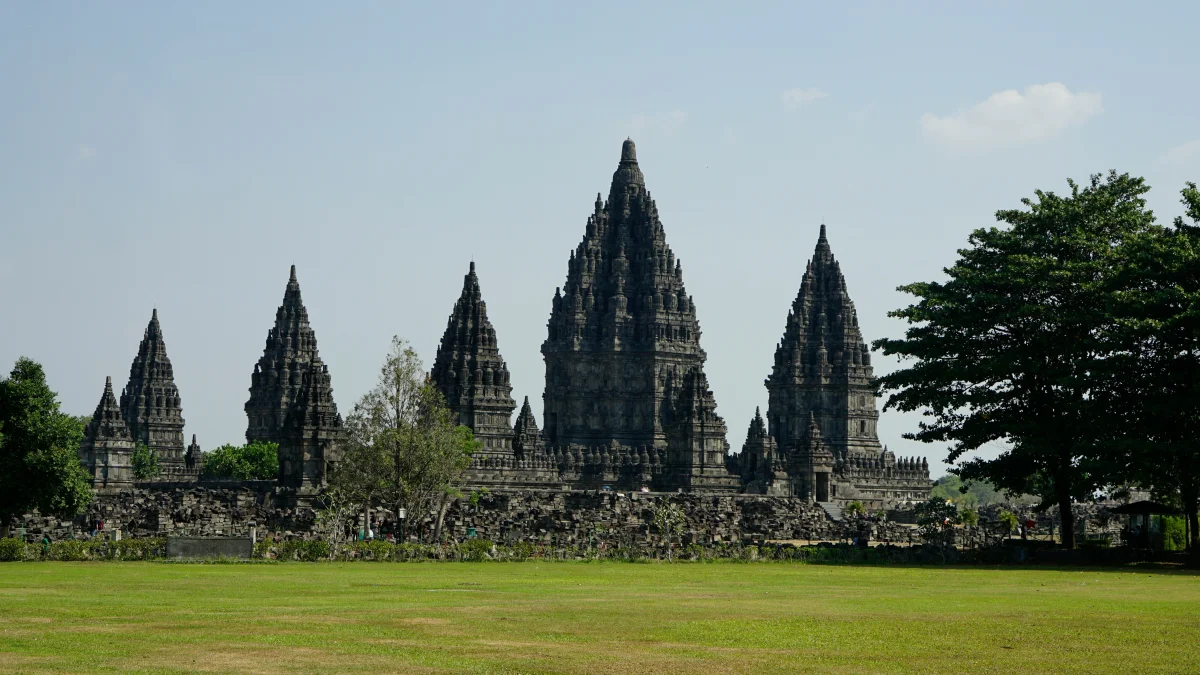
Built in the 9th century, Prambanan is the largest Hindu temple complex in Indonesia and one of Southeast Asia’s most important historical landmarks. Recognized by UNESCO World Heritage Centre, the temple serves as more than just a backdrop—it becomes an integral part of the performance itself.
During outdoor performances, the illuminated temple towers rise dramatically behind the stage, creating a visual composition that feels cinematic yet deeply historical. The contrast between ancient stone architecture and live movement gives the performance an atmosphere that is difficult to replicate elsewhere.
The setting becomes especially magical during the dry season, when clear evening skies allow the open-air theater experience to unfold at its fullest potential.
Many international travelers specifically choose the outdoor performance because of this extraordinary combination of architecture and performing arts.
Ramayana Ballet Performance Schedule (2026)
Understanding the performance schedule is important, as the Ramayana Ballet operates with both indoor and outdoor formats depending on the season.
According to the official ticketing platform and tourism operators, the current 2026 schedule is as follows:
Outdoor Open-Air Theater Performance
- Period: May–October 2026
- Days: Tuesday, Thursday, Saturday
- Time: 7:30 PM – 9:00 PM
This is the most sought-after version because it features the iconic Prambanan Temple backdrop.
Indoor Trimurti Theater Performance
- Period: November–April
- Days: Tuesday, Thursday, Saturday
- Time: 7:30 PM – 9:00 PM
Indoor performances are held during the rainy season or when weather conditions make outdoor staging impractical.
Additional Cultural Performances
Roro Jonggrang Performance
- Every Friday
- Indoor Trimurti Theater
- 7:30 PM – 8:30 PM
This performance focuses on the famous Javanese legend connected directly to Prambanan Temple.
Shinta Obong Performance
- Usually Saturday evenings
- Riverfront Amphitheatre
A more symbolic and contemporary interpretation centered around Sinta’s perspective within the Ramayana story.
Because schedules may occasionally change due to weather or special events, travelers are encouraged to confirm availability through the official platform:
Ticket Categories and Seating Experience
The Ramayana Ballet offers several ticket categories designed for different budgets and viewing preferences.
According to official pricing information for 2026, ticket classes generally include:
- 2nd Class
- 1st Class
- Special Class
- VIP Class (Outdoor performances only)
VIP and Special Class tickets typically include numbered seating and refreshments, while standard classes operate on non-numbered seating arrangements.
For international travelers, premium seating is often worthwhile due to:
- Better stage visibility
- More comfortable seating
- Improved photography angles
- Closer proximity to the orchestra and dancers
During peak travel months, outdoor performances frequently sell out several days in advance. Discussions on Reddit also show that travelers often struggle to secure outdoor tickets at the last minute, particularly during dry season weekends.
Why the Ramayana Ballet Feels Different from Other Performances
What distinguishes the Ramayana Ballet from many tourist-oriented performances is its balance between accessibility and authenticity.
The production is undeniably designed for visitors, yet it remains deeply connected to Javanese artistic traditions. The choreography, costumes, and musical arrangements are not simplified versions created purely for tourism—they are rooted in longstanding cultural practices.
More than 200 dancers and musicians may participate in larger performances, creating a level of coordination and visual complexity rarely found in standard stage productions.
The live gamelan orchestra also plays a critical role. Rather than functioning merely as background music, the gamelan shapes the emotional atmosphere of each scene, controlling tension, rhythm, and pacing throughout the performance.
This integration of dance, music, architecture, and mythology creates an experience that feels immersive rather than observational.
Combining the Ramayana Ballet with Other Experiences
The Ramayana Ballet is often best experienced as part of a broader cultural itinerary through Yogyakarta and Central Java.
Many travelers combine the performance with:
- Sunset exploration of Prambanan Temple
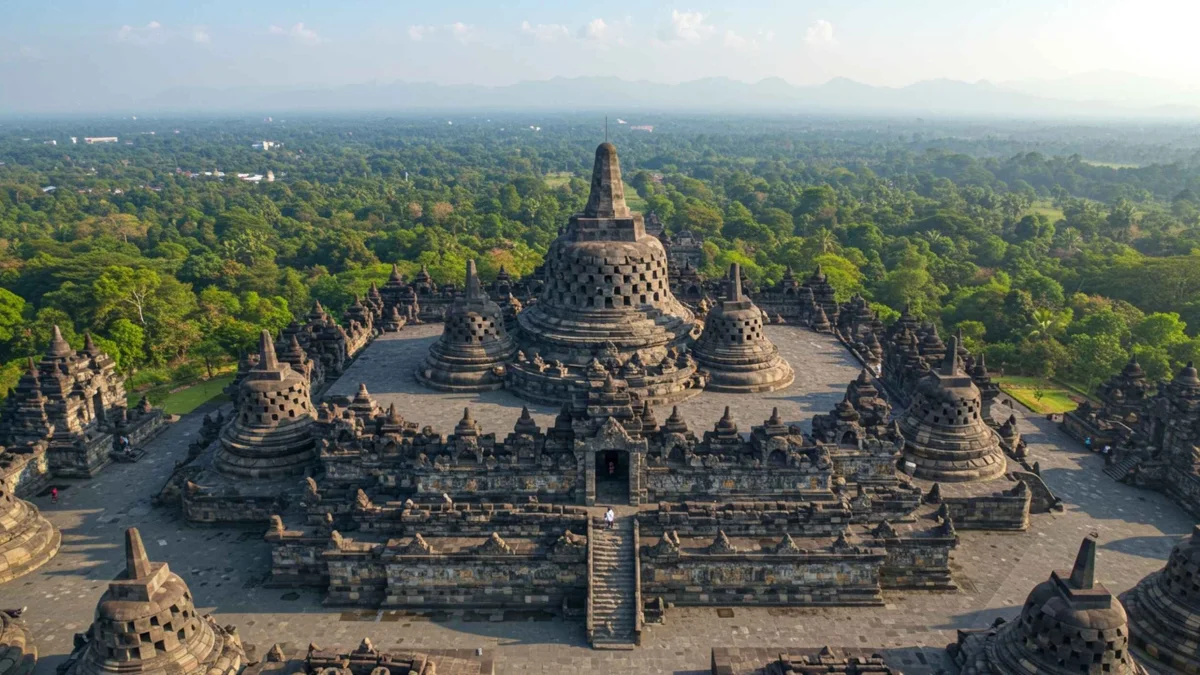
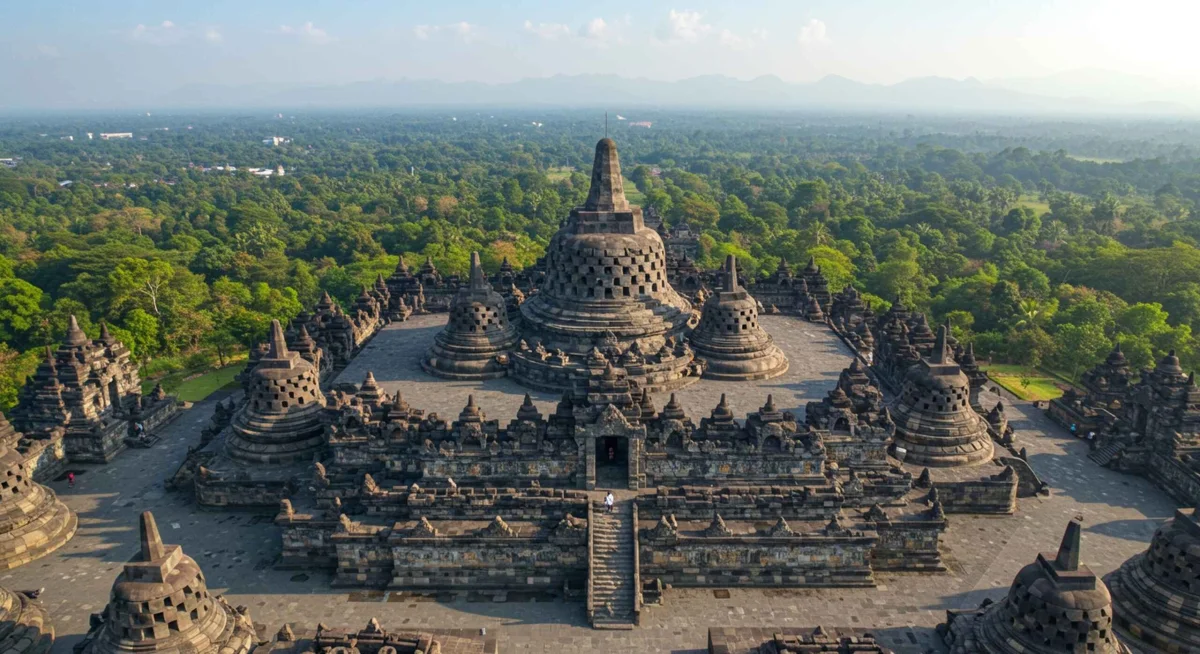
- A morning visit to Borobudur Temple
- A jeep adventure on Mount Merapi
- Village and cultural experiences around Yogyakarta
Thoughtfully arranged itineraries through Visit Nusa allow travelers to combine these destinations efficiently while maintaining a relaxed and comfortable pace.
Rather than managing separate bookings and transportation, curated experiences help visitors focus more on the atmosphere and cultural depth of the journey itself.
Practical Tips Before You Go
Several practical details can significantly improve the experience.
Arrive Early
Arriving before sunset allows time to enjoy the atmosphere around Prambanan before the performance begins.
Choose Outdoor Performances if Possible
The open-air stage offers the most visually iconic experience.
Bring Light Outerwear
Evenings near Prambanan can become cooler than expected, especially during the dry season.
Prepare for Photography
The performance is highly photogenic, though low-light conditions may require appropriate camera settings.
Book in Advance
Outdoor performances frequently sell out, particularly during weekends and holiday periods.
Final Reflection
The Ramayana Ballet is not simply a dance performance. It is a living cultural tradition that continues to evolve while preserving centuries of artistic heritage.
Watching the Ramayana unfold beneath the illuminated towers of Prambanan Temple creates an experience that feels timeless—where mythology, architecture, music, and movement merge into a single unforgettable evening.
For travelers visiting Yogyakarta, the Ramayana Ballet is far more than a nighttime attraction. It is one of the clearest expressions of Java’s artistic identity and one of the most immersive cultural experiences in Indonesia.
Join the Conversation
0 thoughtful comments from our community
Leave a Comment
Share your experience or ask questions
No comments yet
Be the first to share your thoughts!