
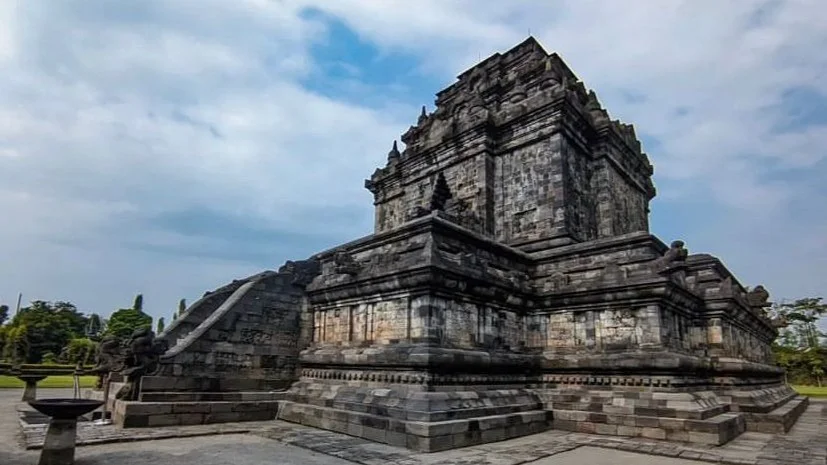
The Stone Guardian: The Ultimate Guide to Mendut Temple
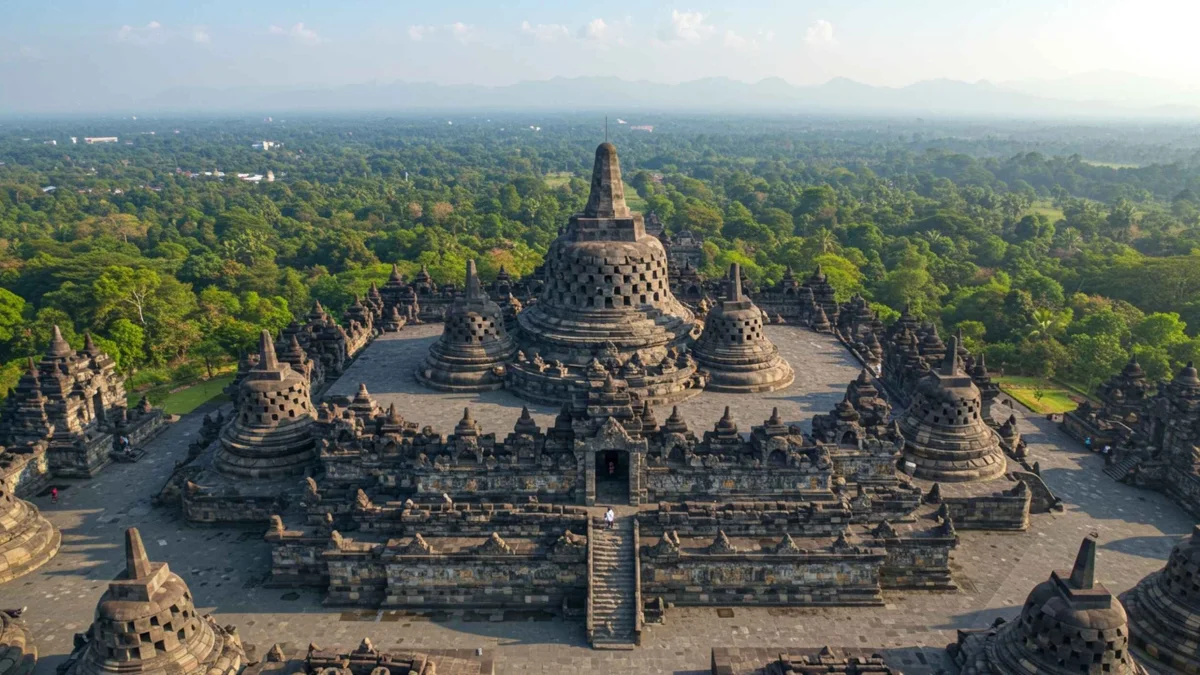
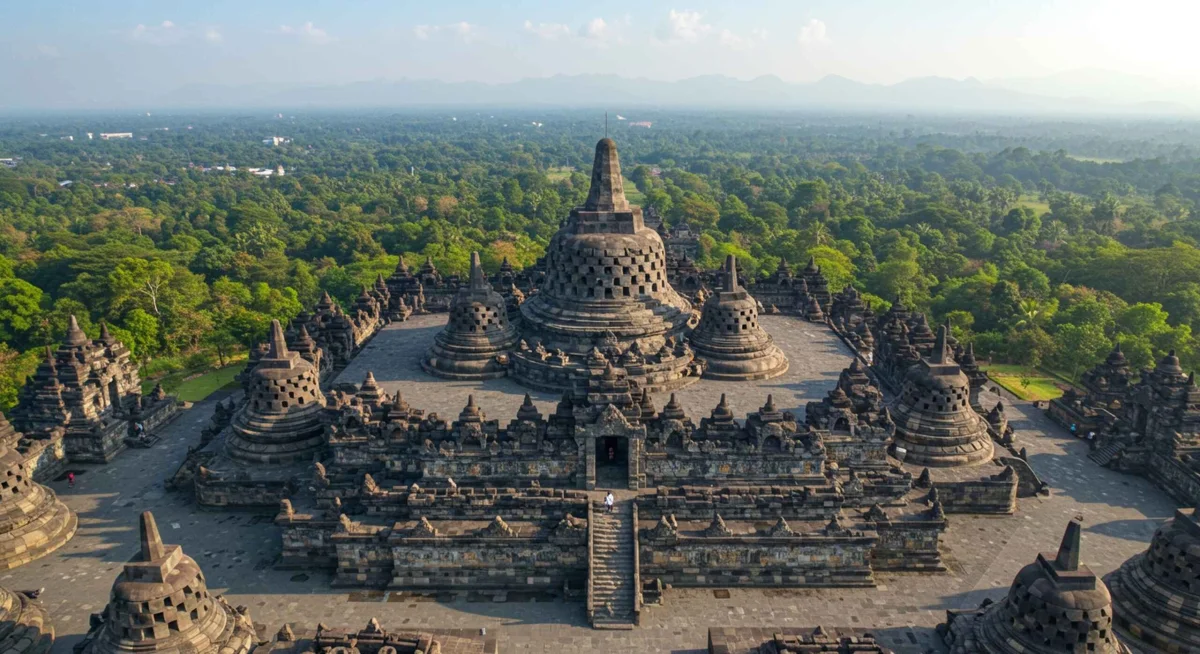
While millions of travelers head straight to Borobudur each year, many miss out on a profound historical secret hidden just a few kilometers down the road. Central Java’s ancient Buddhist heritage isn't defined by just one solitary monument. Instead, it was built as part of a sacred, straight-line geographical trilogy that connects three magnificent 9th-century temples: Borobudur, Pawon, and the grand eastern anchor, Mendut Temple.
Known locally as Candi Mendut, this ancient stone sanctuary is actually older than Borobudur itself. Built during the golden age of the Syailendra Dynasty, Mendut houses some of the most spectacular, colossal stone statues found anywhere in Southeast Asia. Free from the massive tourist crowds, it offers a deeply peaceful, spiritual atmosphere where you can feel the true weight of Javanese history.
If you are ready to walk the sacred path of the ancient kings and step inside a grand stone chamber, here is your definitive, honest guide to the Mendut Temple experience.
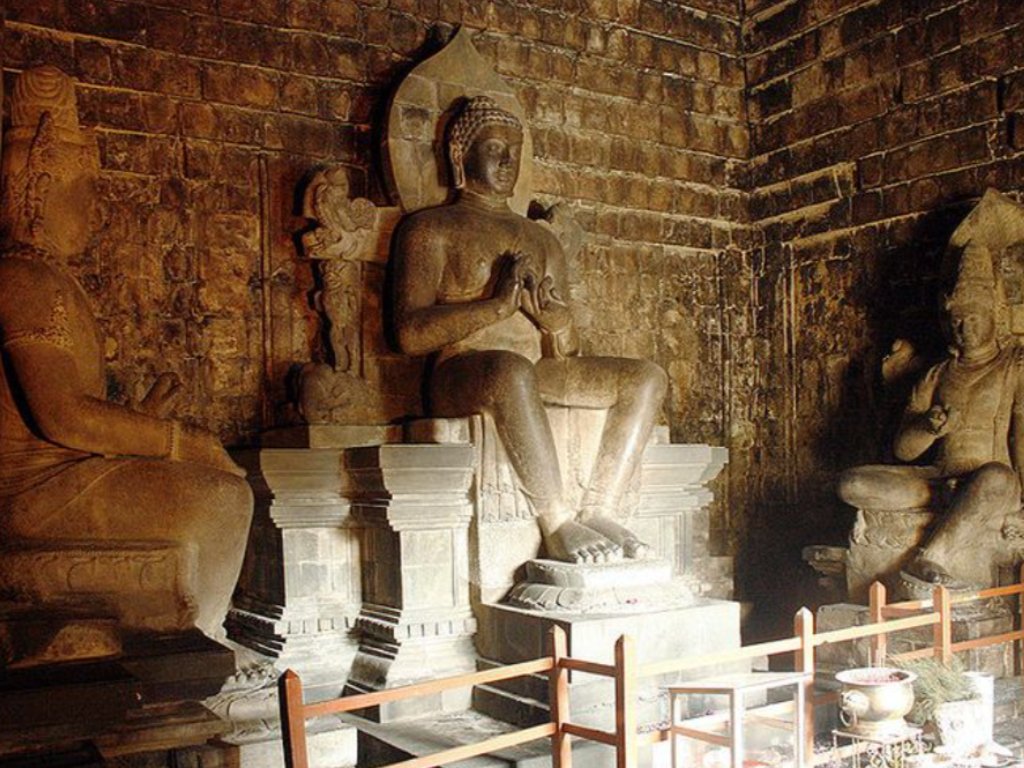
Stand in awe before the majestic stone giant and towering ancient deities of Magelang's oldest Buddhist sanctuary.
The Sacred Alignment: A Spiritual Trilogy
To understand Mendut’s true historical importance, you have to look at its geographic alignment. If you look at Google Maps - Mendut Temple Location, you will find that Mendut, Pawon, and Borobudur are positioned in an absolute, precise straight line running from east to west.
This layout wasn't a coincidence. During the ancient Vesak festival nights, royal pilgrims and monks would begin their spiritual journey here at Mendut. They would perform ritual purifications before walking down the countryside paths, passing the transitional station of Candi Pawon, and finally reaching the grand stepped pyramid of Borobudur at dawn. According to academic research found on Wikipedia - Candi Mendut Archeological Studies, this path represented a pilgrim's symbolic journey from the earthly world of desires to the ultimate state of spiritual enlightenment.
The Architecture: The Colossal Trio of the Inner Chamber
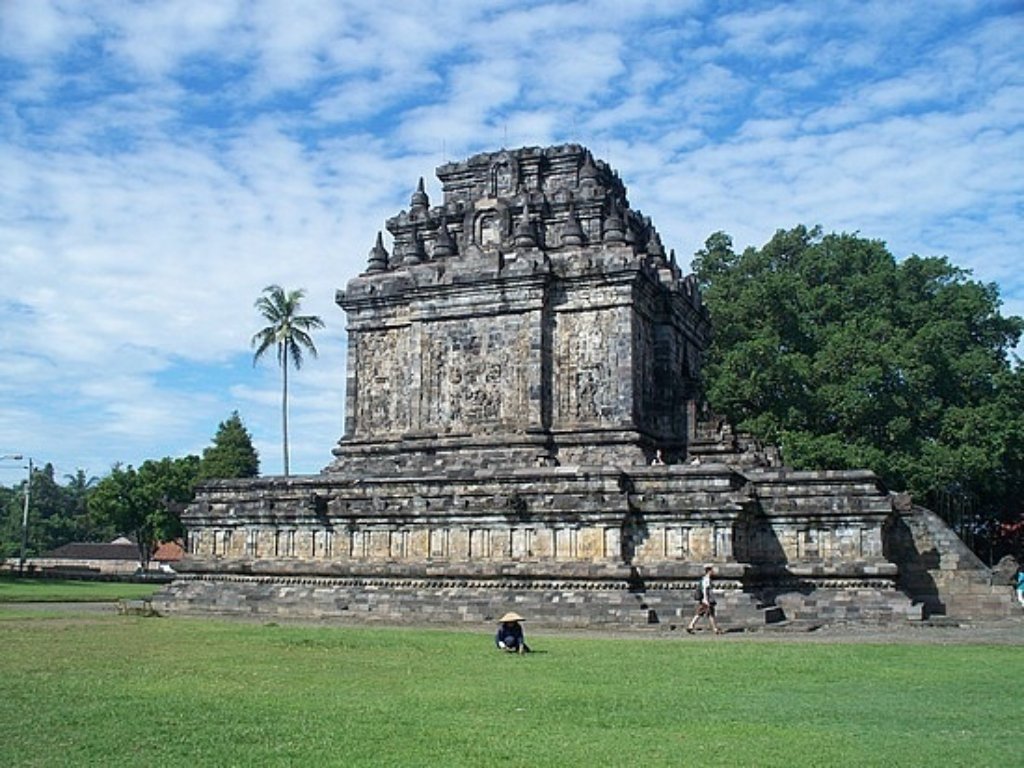
Unlike Borobudur, which is a solid stepped pyramid with no interior spaces, Mendut is built as a grand, towering temple structure with an open, high-ceilinged inner chamber.
As you walk up the beautifully carved stone staircase, you will pass detailed relief panels depicting ancient Buddhist folk tales (Jataka stories) and images of flying celestial beings (Vidyadharas). Stepping through the dark volcanic stone doorway brings you into the high inner sanctum. Illuminated by natural sunlight cutting through the entrance, you will find three massive, 10-foot-tall stone statues carved from single blocks of solid volcanic rock:
- Dhyani Buddha Vairocana: Sitting majestically in the center, depicted in the noble pratapadambhasana posture (feet resting firmly on the ground like a king), performing the Dharmachakra Mudra—the symbolic turning of the wheel of law.
- Avalokiteshvara (Padmapani): Standing to the right of the central deity, representing the ultimate embodiment of universal compassion, holding a lotus flower blooming above his shoulder.
- Vajrapani: Standing to the left of the central deity, representing the fierce power of spiritual energy and the destruction of earthly illusions.
The preservation of these giant carvings is absolutely spectacular, holding a level of artistic detail that rivals the best classical sculptures in the world.
Finding Your Perfect Pace: The Sacred Banyan Tree
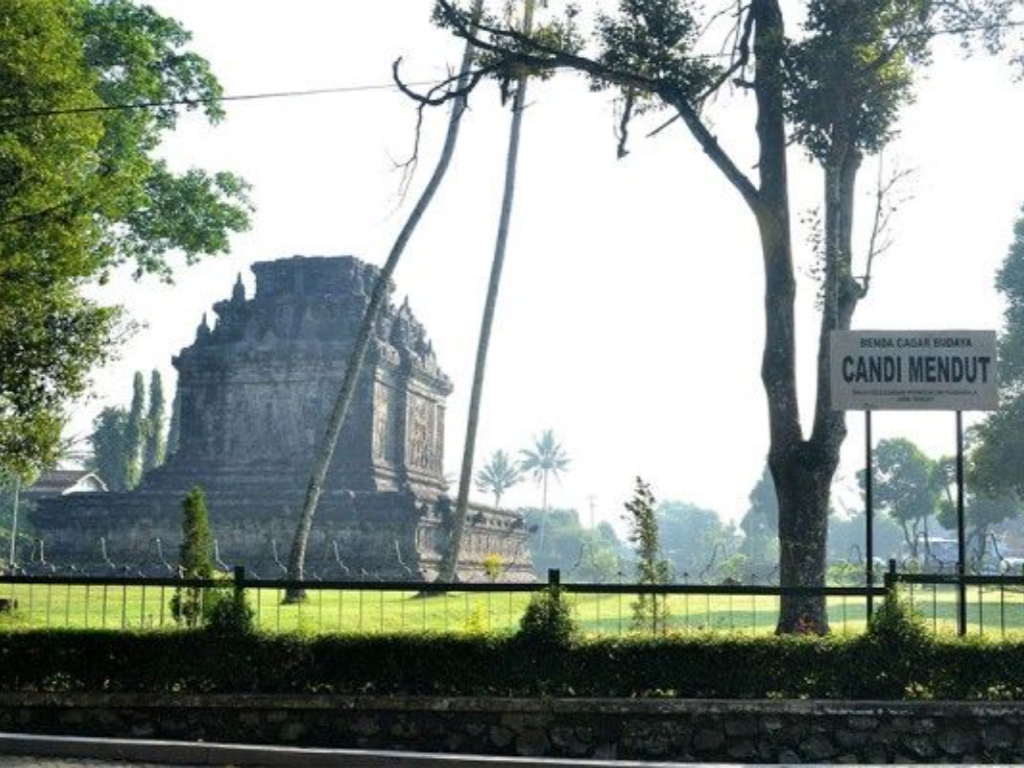
What makes a visit to Mendut exceptionally rewarding is its quiet, spacious courtyard layout, which invites travelers to slow down and meditate.
- The Ancient Banyan Tree: Standing directly adjacent to the stone temple is a massive, ancient banyan tree that has stood for generations. Its sprawling, hanging aerial roots drape over the lawn, creating a giant natural canopy. Sitting beneath its shade as the afternoon breeze blows through the leaves is a deeply peaceful experience.
- The Active Monastery: Right next door to the archeological site lies the Mendut Buddhist Monastery (Vihara Mendut). Visitors are welcome to walk through its beautifully manicured zen gardens, look at the serene lotus ponds, or listen to the peaceful chanting of resident monks during evening meditation blocks. You can read traveler reflections and spiritual tips on global portals like Visit Nusa Indonesia - Mendut Temple to see why slow travelers love this stop.
"Discover Java's oldest imperial stone sanctuary. Our Mendut Temple package includes private air-conditioned transport, fast-track entry permits, localized historical guiding, access to the inner colossal chamber, and an immersive walk through the neighboring peaceful Zen monastery gardens."
Practical Insider Tips for a Flawless Visit
- The Ultimate Combo Route: Never visit Borobudur without stopping here first. To follow the authentic historical timeline, have your guide drop you off at Mendut early in the morning, stop briefly at Pawon, and finish your day at the main Borobudur site.
- Respectful Dress Code: As an active spiritual site revered by local and international Buddhists, visitors must wear modest clothing that covers shoulders and knees. If needed, traditional batik sarongs can be borrowed or rented at the entry gates.
- What to Pack and Wear: Wear shoes that are easy to slip on and off, as you will need to remove your footwear before stepping onto the inner mats of the active monastery structures. Bring a wide sun hat, a water bottle, and a clean camera lens to capture the soft, natural light filtering inside the dark stone chamber.
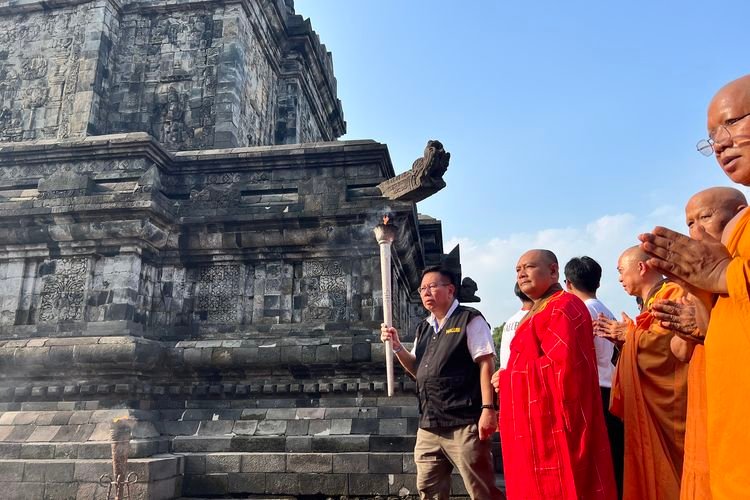
- Check Seasonal Festivities: If you are traveling between May and June, check the regional event calendars on the Visit Jawa Tengah - Mendut Temple Portal to see if your dates align with the annual Vesak spectacular, where thousands of monks gather here for a grand torchlight procession.
If you want a deeply moving, culturally authentic day trip that showcases the absolute pinnacle of ancient Javanese stone art away from the main tourist crowds, visiting Mendut Temple is an absolute must. Let the dedicated team atVisit Nusa Indonesia manage your private air-conditioned transport, complex ticketing, and expert local guides so you can focus entirely on immersing yourself in the majestic history of the region.
Join the Conversation
0 thoughtful comments from our community
Leave a Comment
Share your experience or ask questions
No comments yet
Be the first to share your thoughts!