
A Walk Through History: Visiting Iconic Javanese Ruins
There is a distinct, unforgettable sensation that comes with walking through an ancient archaeological site where nature and human history have spent centuries fusing together. The air feels heavier, the jungle seems to whisper, and every step across the weathered stone feels like a direct conversation with the past. On the island of Java, this historical gravity is everywhere.
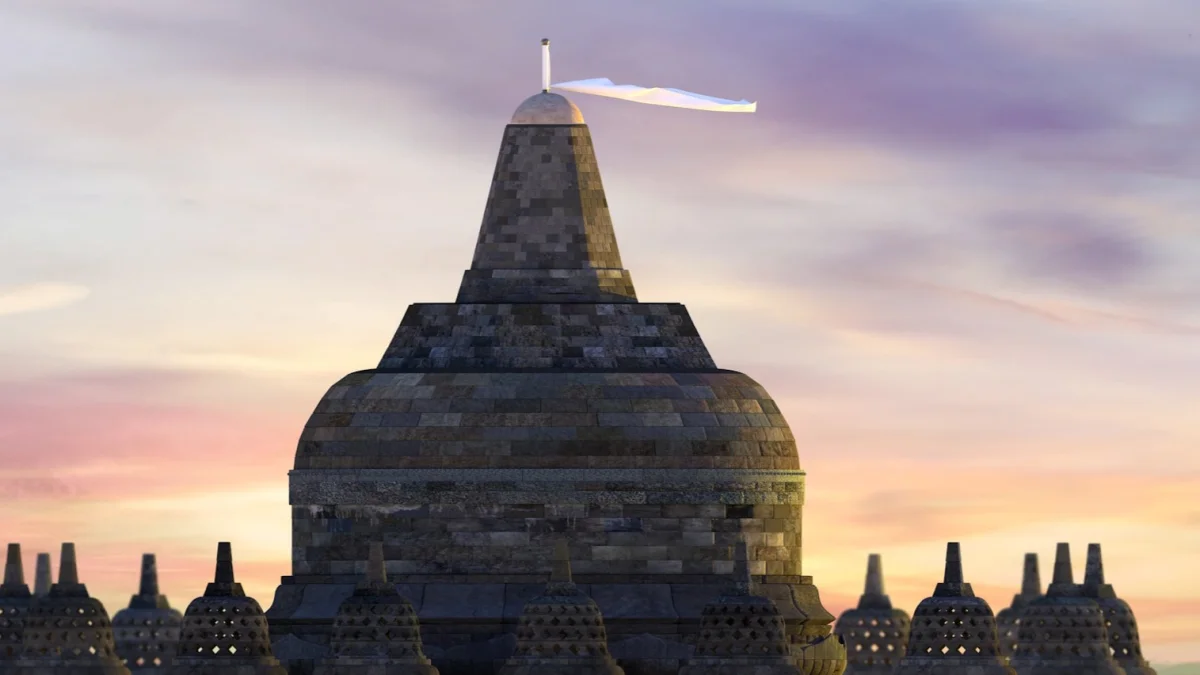
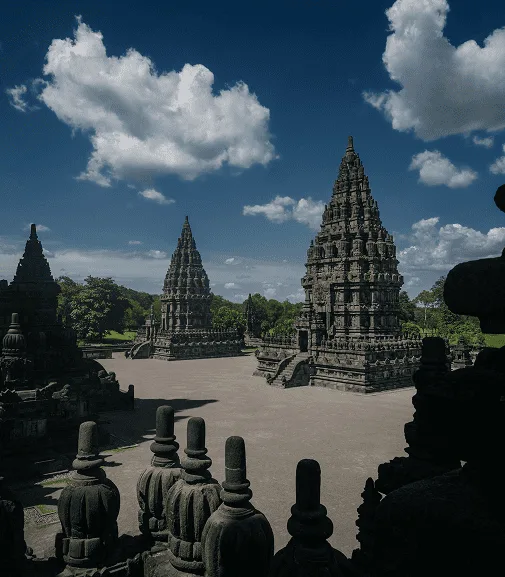
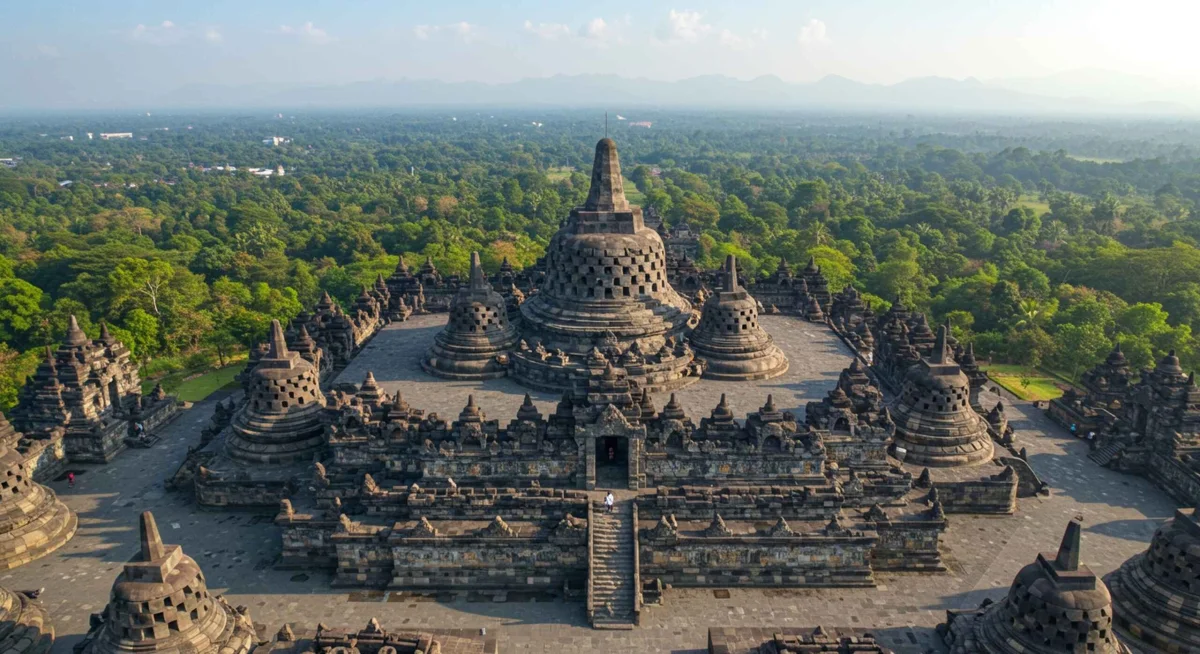
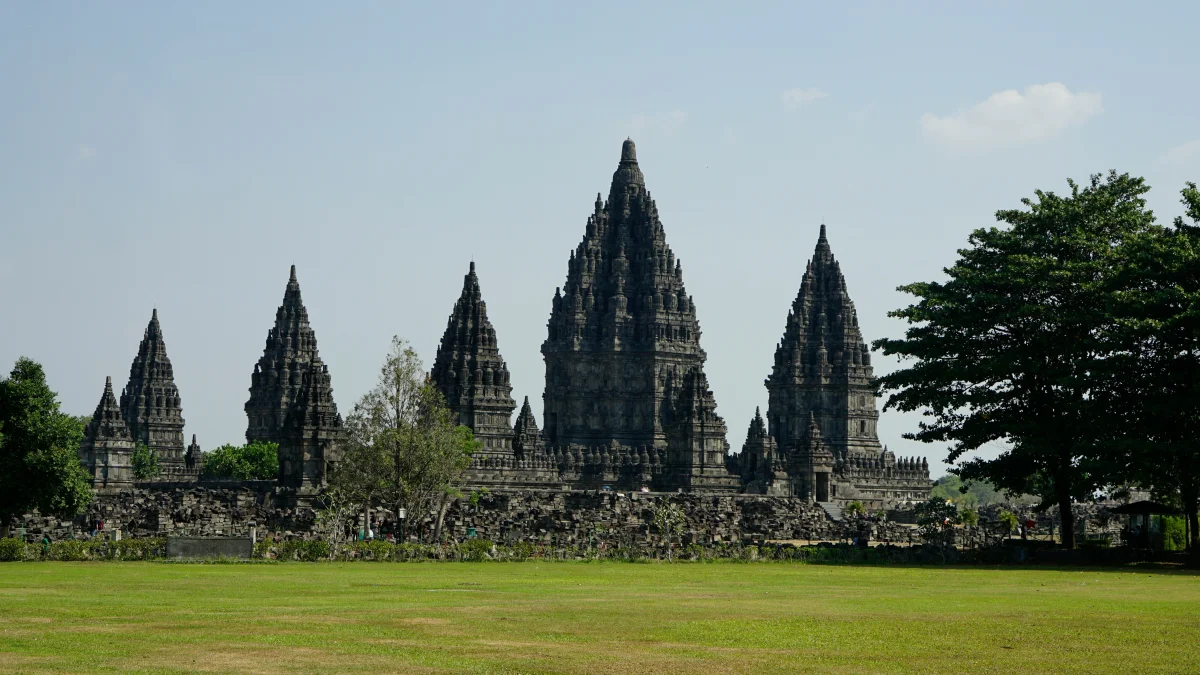
For over a millennium, powerful Hindu-Buddhist empires rose and fell across Java’s fertile volcanic plains. When these kingdoms crumbled or moved east, they left behind hundreds of majestic stone sanctuaries, royal bathing pools, and expansive city structures that were eventually swallowed by dense tropical jungles and volcanic ash. Today, these ruins stand as a playground for travelers seeking to break away from sterile, modern resorts and touch raw history.
If you are ready to channel your inner explorer, grab your camera, and step directly into the ancient world, here is your curated trekking guide to walking through Java's most iconic ruins.
1. Ratu Boko: The Mythical Hilltop Palace
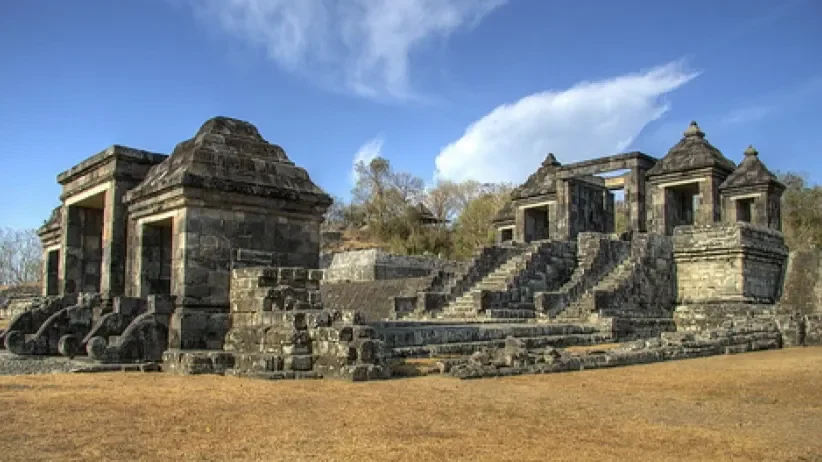
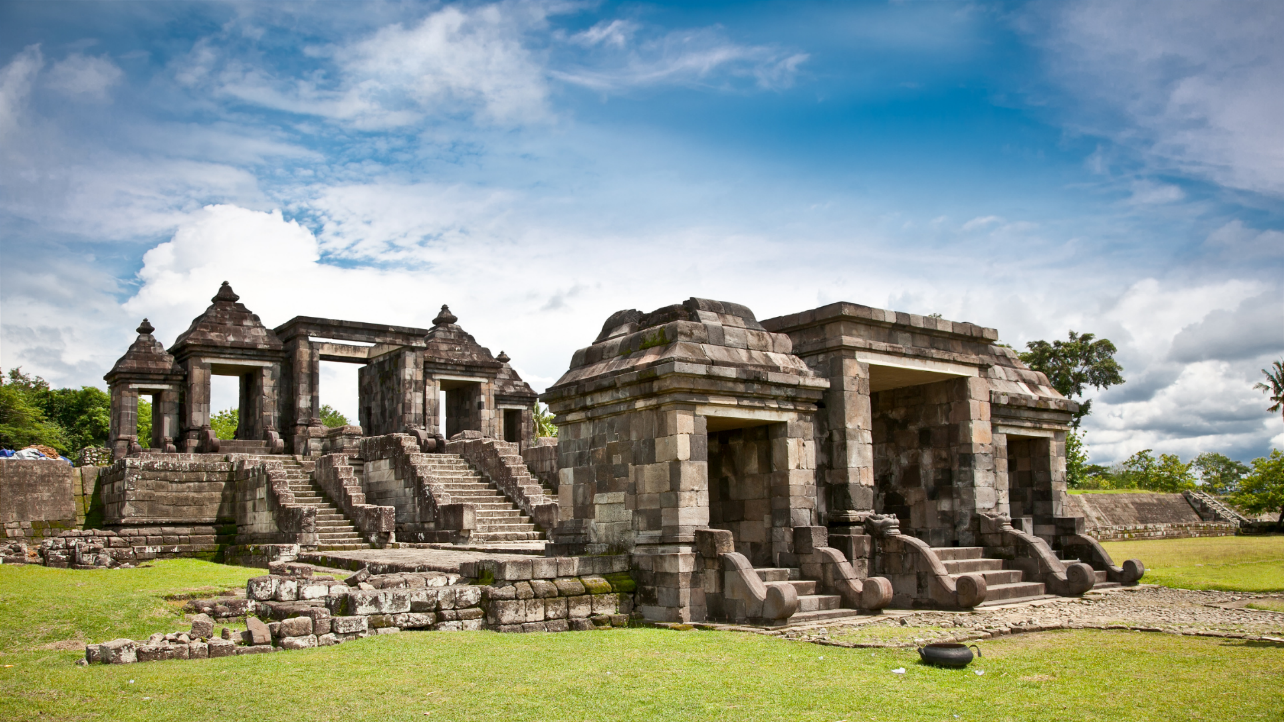
While most visitors focus purely on religious temples, Ratu Boko offers a rare, fascinating glimpse into the secular and royal life of ancient Java. Perched on a high, panoramic plateau just three kilometers south of Prambanan, Ratu Boko is not a temple—it is the sprawling ruin of a fortified 8th-century royal compound.
Walking through the site, you cross massive stone entry gates, step onto expansive open-air limestone plazas, and trace the foundations of miniature cremation pools, royal audience halls, and hidden meditation caves cut into the hillside. The atmosphere here feels starkly different from the surrounding valleys; it is breezy, quiet, and grand. Coming here in the late afternoon to watch the sun sink below the distant Prambanan plains through the stone framing of Ratu Boko’s main gates is an absolute rite of passage for global travelers.
To understand how global conservation networks protect and archive these expansive heritage landscapes, you can read the historical field profiles maintained by the UNESCO World Heritage Centre.

2. Candi Plaosan: The Twin Sanctuary of Royal Love
Located just a short drive from the main tourist highway, Candi Plaosan is an architectural marvel that beautifully represents regional religious harmony. Built in the mid-9th century, this complex is uniquely divided into Plaosan Lor (North) and Plaosan Kidul (South), featuring two identical, multi-tiered main stone temples standing side by side.
What makes walking through Plaosan so captivating is the sheer amount of texture. The main courtyards are surrounded by a vast grid of hundreds of collapsed companion shrines and stupas, creating a beautiful landscape of weathered, moss-covered stone carvings. Because it receives a fraction of the mass crowds found at larger sites, you can stroll quietly between the rows of sitting Buddha statues, admire the incredibly delicate carvings of heavenly guardians, and listen to the gentle breeze rustling through the surrounding rice fields.
3. Candi Cetho & Sukuh: The Mysterious Jungle Pyramids
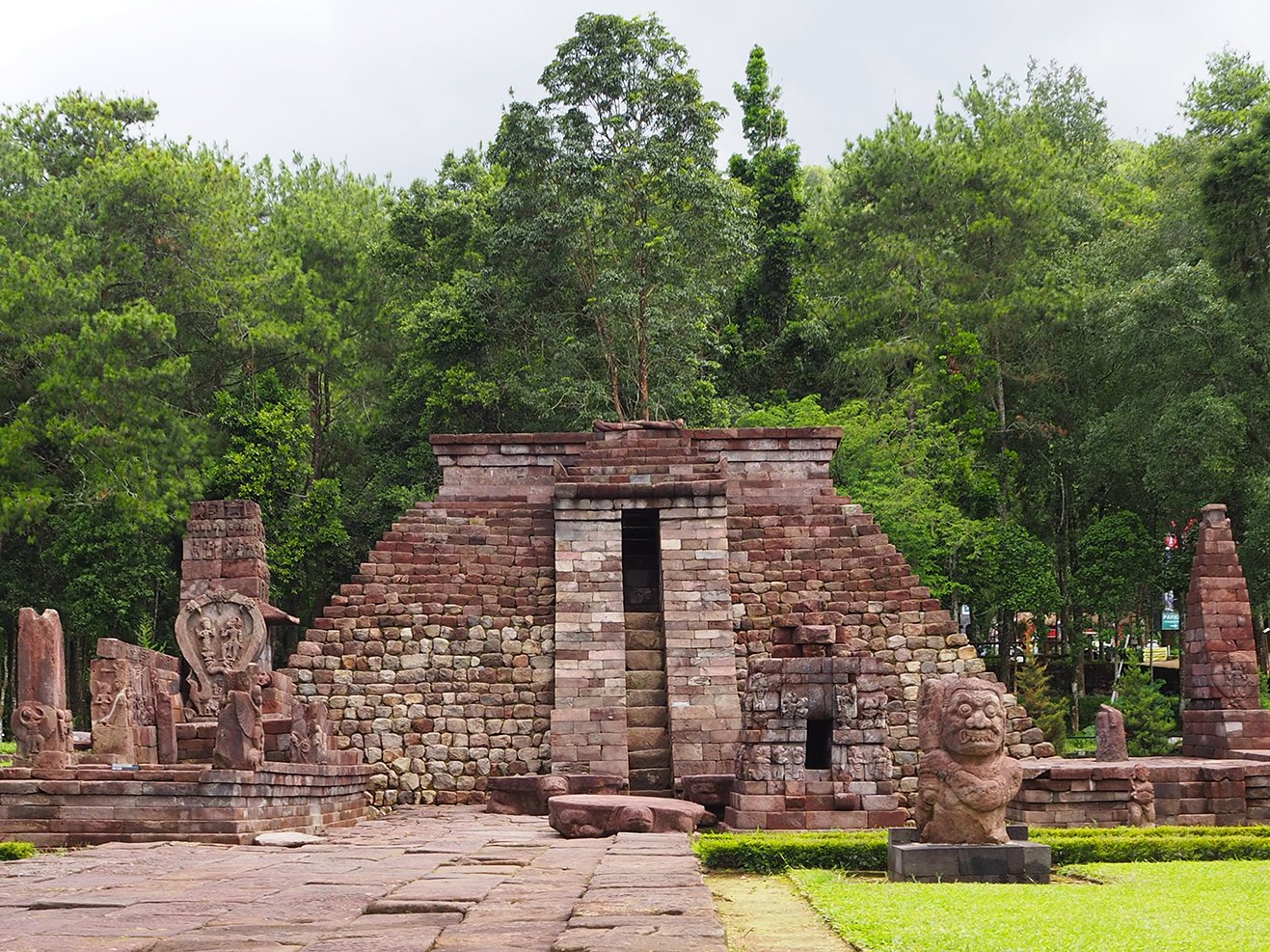
For a historical walk that feels completely removed from classical Javanese art, you must journey up the misty slopes of Mount Lawu in Central Java to visit the enigmatic twin ruins of Candi Cetho and Candi Sukuh.
Built in the 15th century during the final days of the Majapahit Empire, these high-altitude sanctuaries represent a dramatic return to indigenous animist beliefs mixed with late-stage Hinduism. Candi Sukuh famously looks like a simplified, flat-topped Mayan pyramid, completely unique to Indonesian architecture. Walking through these ruins, surrounded by low-hanging mountain mist and ancient pine forests, the carvings look raw, primitive, and deeply mysterious. You can map out the stunning, high-altitude mountain roads that connect Yogyakarta to these slopes directly via Google Maps - Mount Lawu Temple Routes.
Practical Insider Tips for a Flawless Archaeological Trek
- Pace Your Day: Java’s tropical sun can become intense by mid-morning, radiating heat directly off the ancient stone blocks. Plan to explore your primary outdoor ruins between 6:30 AM and 9:30 AM, or during the cooler golden hour after 3:30 PM. To cross-reference regional travel itineraries and check provincial entry guidelines, consult the official state repository on Wonderful Indonesia.
- Footwear is Everything: Walking through Javanese ruins involves navigating uneven stone flagstones, steep staircases with high steps, and muddy jungle tracks. Leave the flip-flops behind and wear sturdy walking shoes or hiking sandals with strong grip and ankle support.
- Hire a Dedicated Storyteller: It is incredibly easy to look at a field of ruins and just see a pile of old rocks. Hiring a licensed local site guide transforms the walk. They can translate the stories carved into the stone relief panels, point out hidden royal maker-marks, and bring the history of the kings to life. You can check independent traveler reviews and guide ratings on global travel boards like Lonely Planet.
- Stay Hydrated and Protected: Bring a reusable water bottle, wear a wide-brimmed sun hat, apply premium UV sunscreen, and pack a lightweight raincoat or umbrella, as sudden tropical mountain showers can roll in quickly.
Lace up your boots and trace the footsteps of forgotten kings across the volcanic valleys, hidden plateaus, and moss-covered stone paths of Java’s greatest archaeological wonders.
Walking through the iconic ruins of Java is more than a standard holiday sightseeing trip—it is an inspiring, active journey that allows you to step directly into the pages of Southeast Asian history. Let the professional destination experts at Visit Nusa Indonesia handle your luxury private transportation, exclusive entry permits, and expert historical guides so you can escape the crowds, slow down your pace, and immerse yourself completely in the magic of the past.
Join the Conversation
0 thoughtful comments from our community
Leave a Comment
Share your experience or ask questions
No comments yet
Be the first to share your thoughts!