
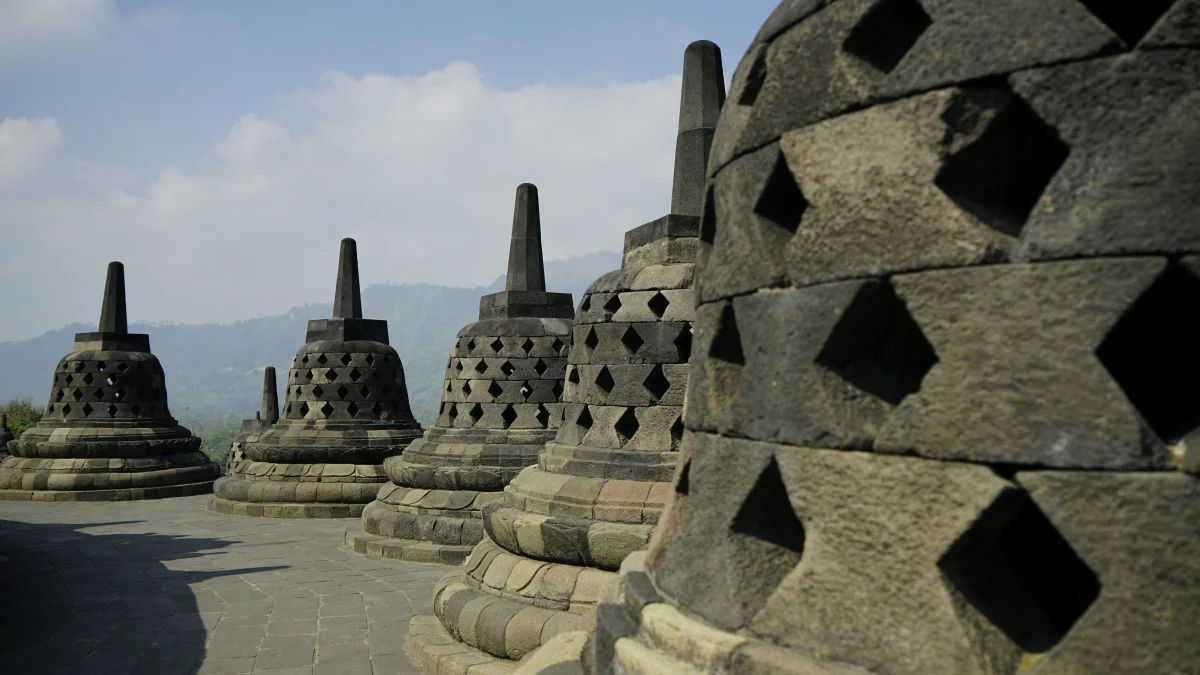
Understanding the Cultural Significance of Local Landmarks
When international travelers journey through Central Java and the Special Region of Yogyakarta, they are constantly surrounded by monumental landmarks. Giant stone stupas rise against volcanic backdrops, towering spires pierce the tropical skyline, and elegant white-and-gold palace complexes sit quietly at the center of bustling cities. It is easy to take photos of these sites, marvel at their sheer physical scale, and move on to the next stop on an itinerary.
However, to truly experience Java, one must look beneath the surface. In Javanese culture, a landmark is almost never just a piece of decorative architecture or a relic of past engineering. Every line carved into the volcanic stone, every directional alignment of a courtyard, and every symbolic gate represents a complex blend of cosmic philosophy, spiritual devotion, and deep community identity. These sites are living symbols of how a civilization views its place in the universe.
If you want to transition from being a casual sightseer to an enlightened explorer, here is a guide to decoding the profound cultural significance of Central Java’s most vital landmarks.
1. The Axis of the Universe: The Cosmic Alignment of Yogyakarta
One of the most fascinating cultural concepts in the region is the Cosmic Axis of Yogyakarta (Sumbu Filosofis). This is a completely invisible, highly sacred 15-kilometer straight line that runs directly from north to south, perfectly connecting three major landmarks:
This alignment is a brilliant physical manifestation of the Javanese philosophy Hamemayu Hayuning Bawwono—the sacred duty of humans to maintain absolute balance between the natural world, the spiritual realm, and the cosmos.
At the exact center of this axis sits the Kraton Yogyakarta (The Sultan’s Palace). When you walk through its courtyards, you are walking through a physical map of the human soul's spiritual journey toward maturity. Even the ancient banyan trees planted in the palace squares are spaced precisely to remind viewers of connection, humility, and protection. To learn more about how international heritage bodies analyze and protect this specific philosophical urban layout, you can browse the official nomination records on the UNESCO World Heritage Centre.
Experience the Living Axis: Want to explore the physical gates and hidden chambers of the Sultan's Palace alongside an expert cultural translator? Reserve your spot on our premium Visit Nusa Indonesia | Yogyakarta Cultural Tour Packages for an insider journey into the heart of Javanese royalty.
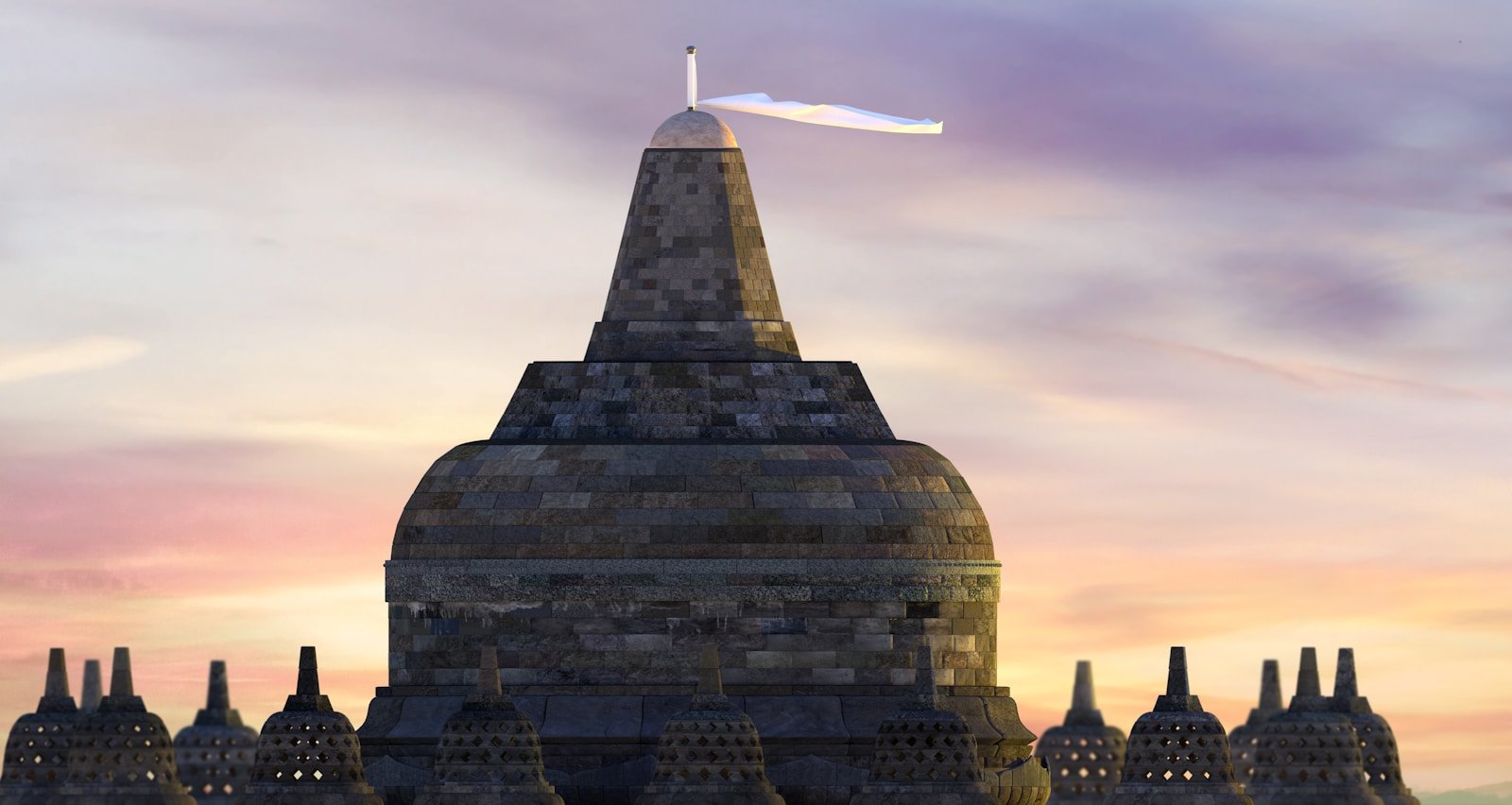
2. Borobudur: The Stone Blueprint of Spiritual Enlightenment
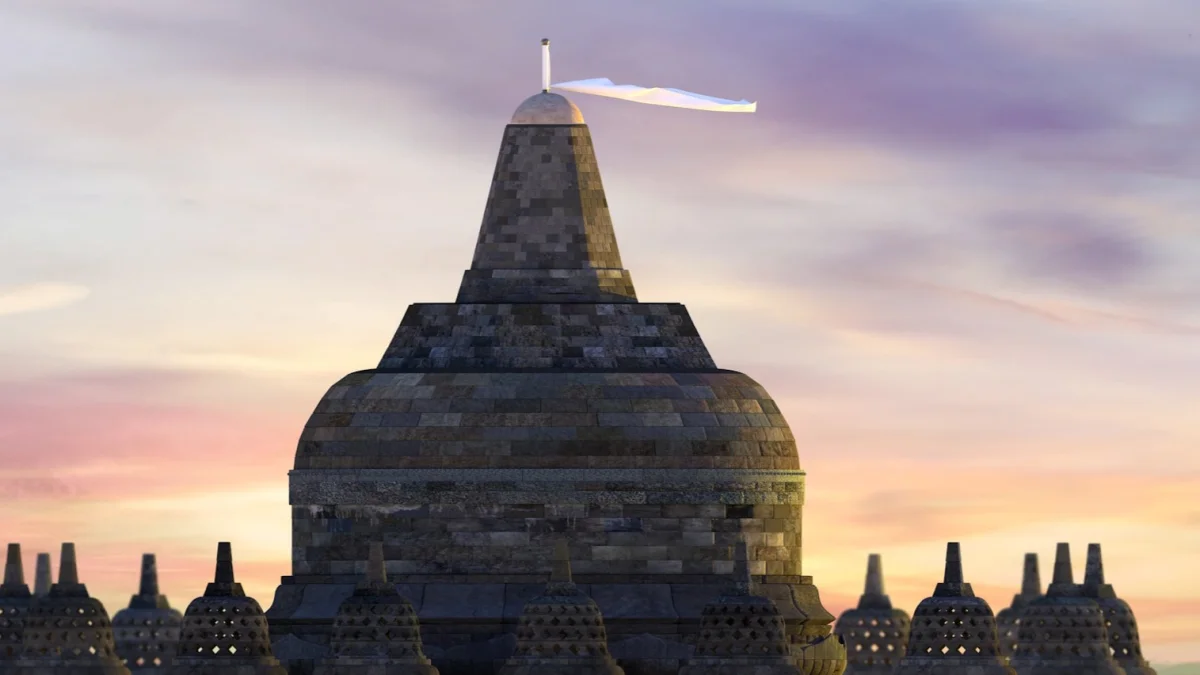
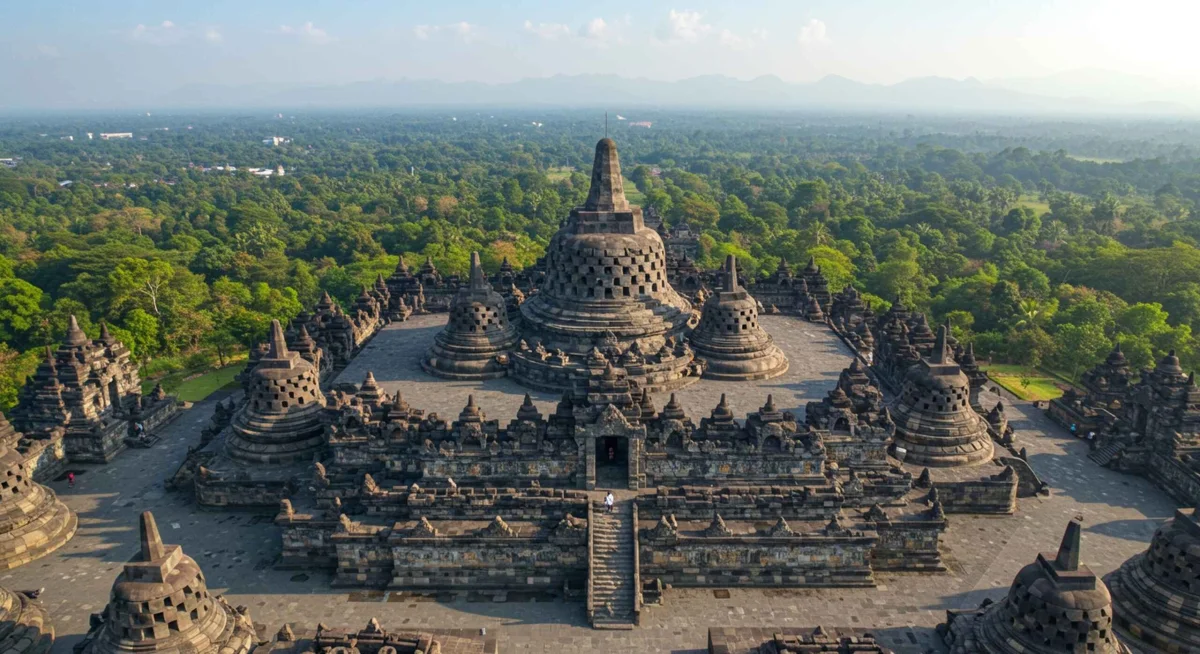
To look at Borobudur Temple simply as the world's largest Buddhist monument is to miss its true brilliance. Built in the 9th century, Borobudur was engineered specifically as an educational tool—a giant, three-dimensional book written in stone.
The landmark’s cultural significance lies in its reflection of Mahayana Buddhist cosmology. The structure mirrors the human path toward spiritual liberation through three distinct architectural realms:
- Kamadhatu (The Base): The world of desires and everyday human attachments, detailed through raw, realistic relief carvings.
- Rupadhatu (The Square Terraces): The world of forms, where humans learn to control their base desires but are still bound by physical reality.
- Arupadhatu (The Circular Upper Tiers): The formless realm of absolute truth and liberation, represented by minimalist, open spaces and uncarved bell stupas.
For centuries, pilgrims have walked clockwise around these terraces, using the architectural transitions to ground their minds and seek inner peace. To dive deeper into the historical timelines of how these ancient spiritual systems spread across Southeast Asian trading routes, check out the educational archives hosted by the World History Encyclopedia.
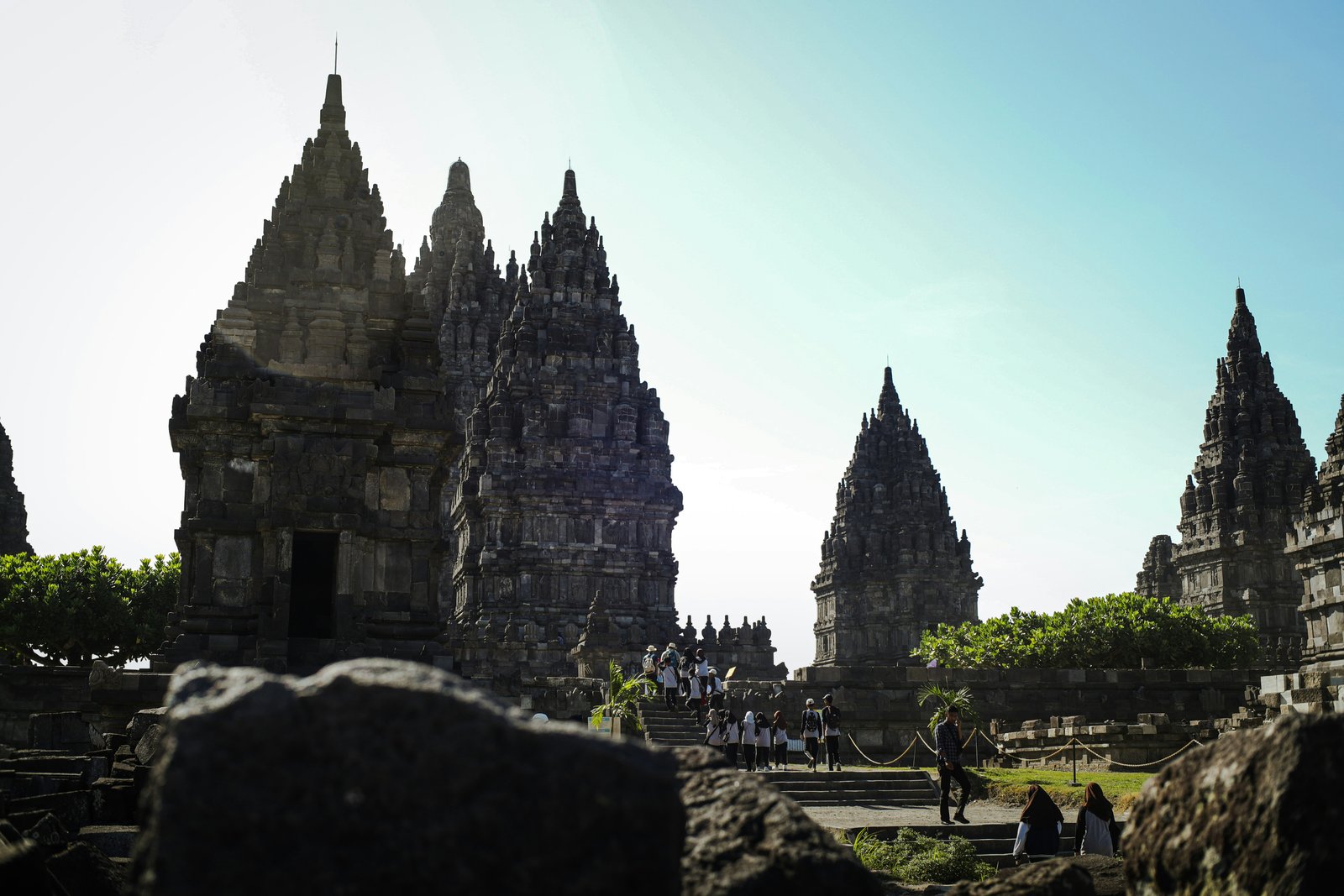
3. Prambanan: A Living Monument to Religious Harmony
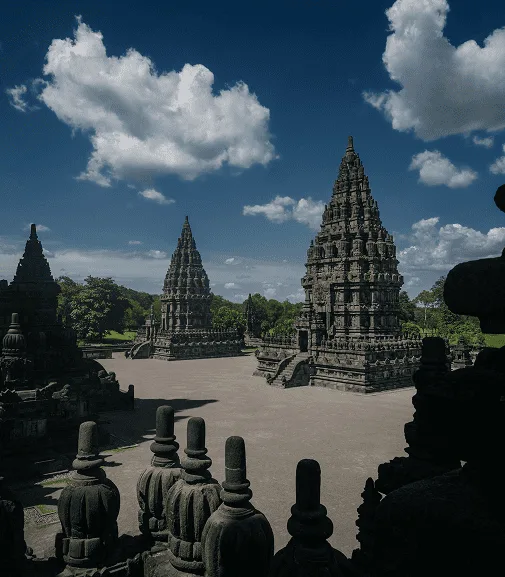
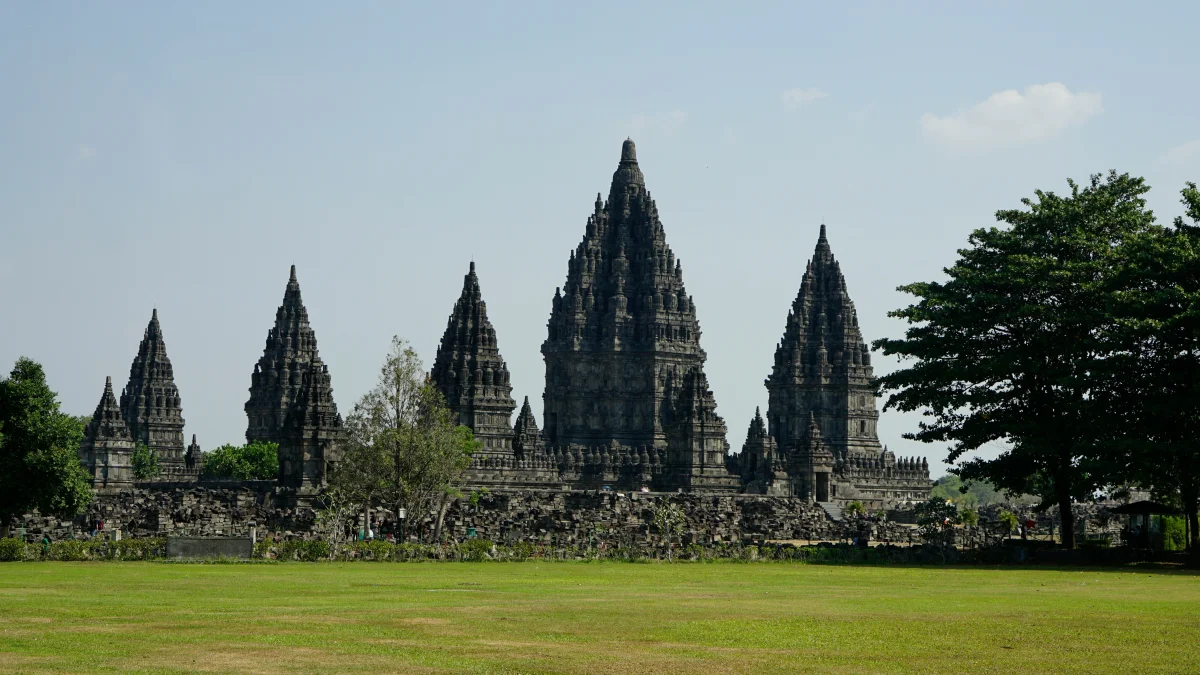
The soaring, 47-meter-tall spires of Prambanan Temple are widely celebrated for their dramatic Hindu architecture. However, the true cultural significance of this landmark is political and social.
Prambanan was constructed in the mid-9th century by the Sanjaya Dynasty, standing just a short distance away from the massive Buddhist structures of the Kedu Plain. Rather than representing a period of religious warfare, historical records show that Prambanan and Borobudur existed simultaneously during an era of deep inter-religious harmony and royal intermarriage.
The Prambanan complex is dedicated to the Hindu Trimurti (Brahma, Vishnu, and Shiva), symbolizing creation, preservation, and destruction. Walking through these ruins reminds modern travelers that Java has always been a cultural melting pot where different global belief systems naturally fuse with local values. You can explore modern travelers' personal reflections on this architectural harmony by reading through active community boards on Lonely Planet.
The Heritage Overland Route: If you want to connect the dots between the Buddhist mastery of Borobudur and the soaring Hindu spires of Prambanan in a seamless, stress-free trip, explore our signature Visit Nusa Indonesia | Yogyakarta Classic Heritage Tour.
Shifting Your Perspective: How to Appreciate Local Monuments
To truly connect with the cultural energy of Java's local landmarks, we recommend choosing travel paths that match your core exploration style.
The Deep Cultural Track
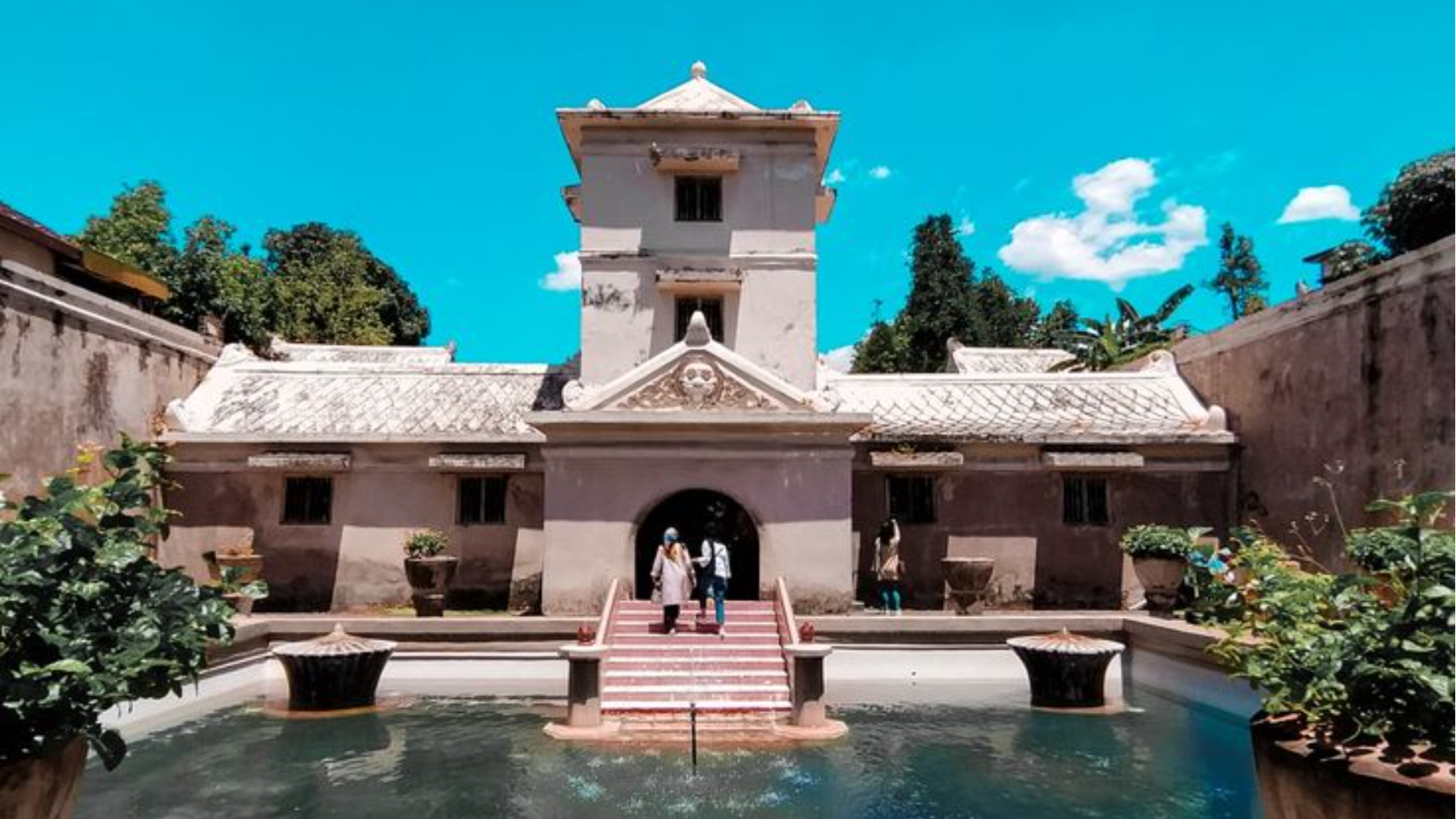
Perfect for slow travelers who want to unpack the artistic philosophy, local myths, and political histories behind major landmarks like the Kraton, Water Castle (Taman Sari), and Kota Gede. This path prioritizes deep storytelling over quick photo stops. To plan your custom cultural journey, look into the Visit Nusa Indonesia | Yogyakarta Hidden Heritage Trek.
The Mythical Landscapes Tour
Designed for those who want to see how local landmarks interact directly with Java’s volatile volcanic environment. This track bridges the gaps between the ancient stone ruins of the valleys and the sacred mountain sanctuaries of the highlands. You can book this expedition directly via the Visit Nusa | Java Mystical Mountain Trail.
Discover the hidden mythologies, philosophical structures, and ancestral wisdom that transform Central Java’s iconic stone landmarks from simple tourist stops into living cultural anchors.
Practical Insider Tips for the Conscious Explorer
- Look Beyond the Main Structure: Often, the most profound cultural stories are found in the details. Pay attention to the Makara (mythical water monsters) guarding doorways, the Kalpataru (divine wish-fulfilling trees) carved into the walls, and the expressions on the faces of the stone statues.
- Respect Active Worship: Many of these historic landmarks are not dead museums—they remain deeply active spaces of worship for local communities. Be mindful of areas marked for prayer, avoid stepping directly in front of people meditating, and always follow regional modesty rules.
- Check Official Travel Bulletins: For accurate information on seasonal cultural festivals, special night openings, and preservation updates at major landmarks, cross-reference your itinerary with the official portal at Wonderful Indonesia.
When you take the time to understand the philosophy, cosmology, and human stories behind Java's ancient stones, your travel experience shifts from a simple vacation into an inspiring, eye-opening journey through the human spirit.
Let the professional destination experts at VisitNusa handle your luxury private transportation, exclusive entry permits, and highly educated local guides. Browse our complete directory of Visit Nusa Indonesia | Private Tour Packages today to secure your custom itinerary, leave the mass tourist crowds behind, and truly connect with the soul of Java.
Join the Conversation
0 thoughtful comments from our community
Leave a Comment
Share your experience or ask questions
No comments yet
Be the first to share your thoughts!