
Decoding the Stone: The Architecture of Central Java’s Ancient Temples
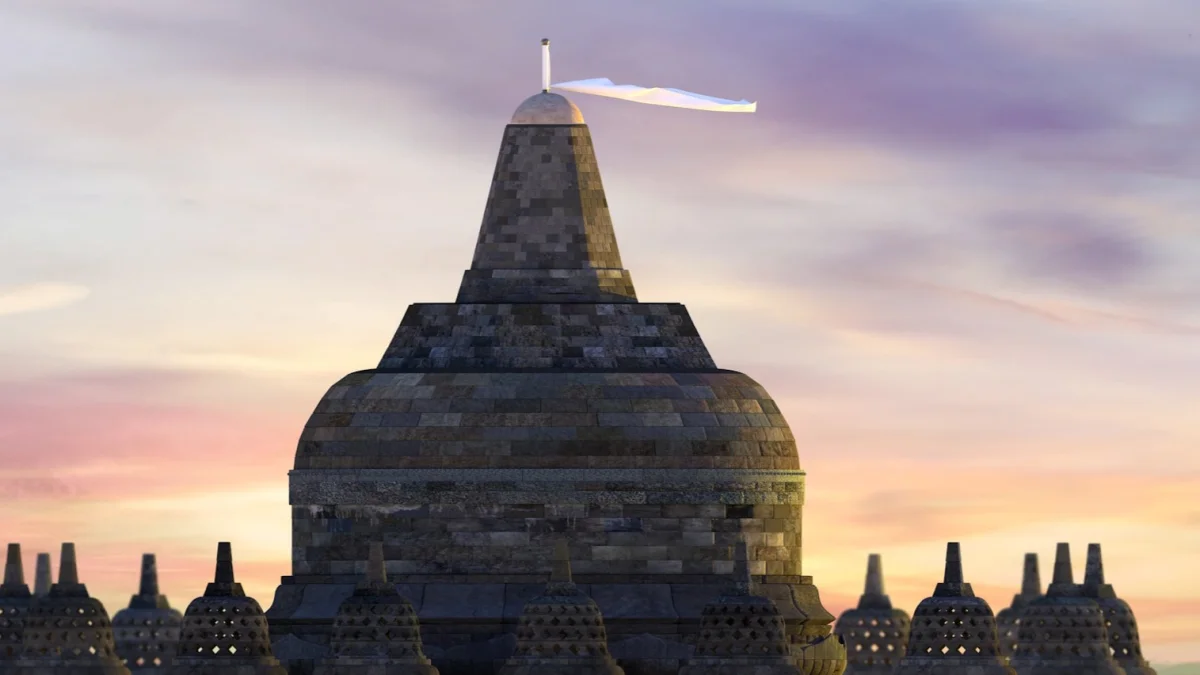
When travelers first lay eyes on the ancient temples of Central Java, the immediate reaction is usually pure, overwhelming awe. Whether it is the massive, brooding pyramid of Borobudur emerging from the morning mist or the sharp, jagged spires of Prambanan piercing the twilight sky, these monuments feel otherworldly. Yet, beneath their mystical atmospheres lies a deeply calculated, highly sophisticated foundation of ancient structural engineering.
Built between the 8th and 10th centuries during a golden age of Javanese civilization, these temples (candi) are not mere piles of carved rock. They are three-dimensional representations of the universe, built using advanced geometry, complex cosmic alignments, and brilliant earthquake-resistant interlocking masonry that still baffles modern engineers today.
If you are a traveler who loves to look beyond the surface and understand how and why historical wonders were built, you are in for a treat. Here is your ultimate guide to decoding the brilliant architectural DNA of Central Java’s ancient temples.
1. The Cosmic Mandala: Borobudur’s Sacred Geometry
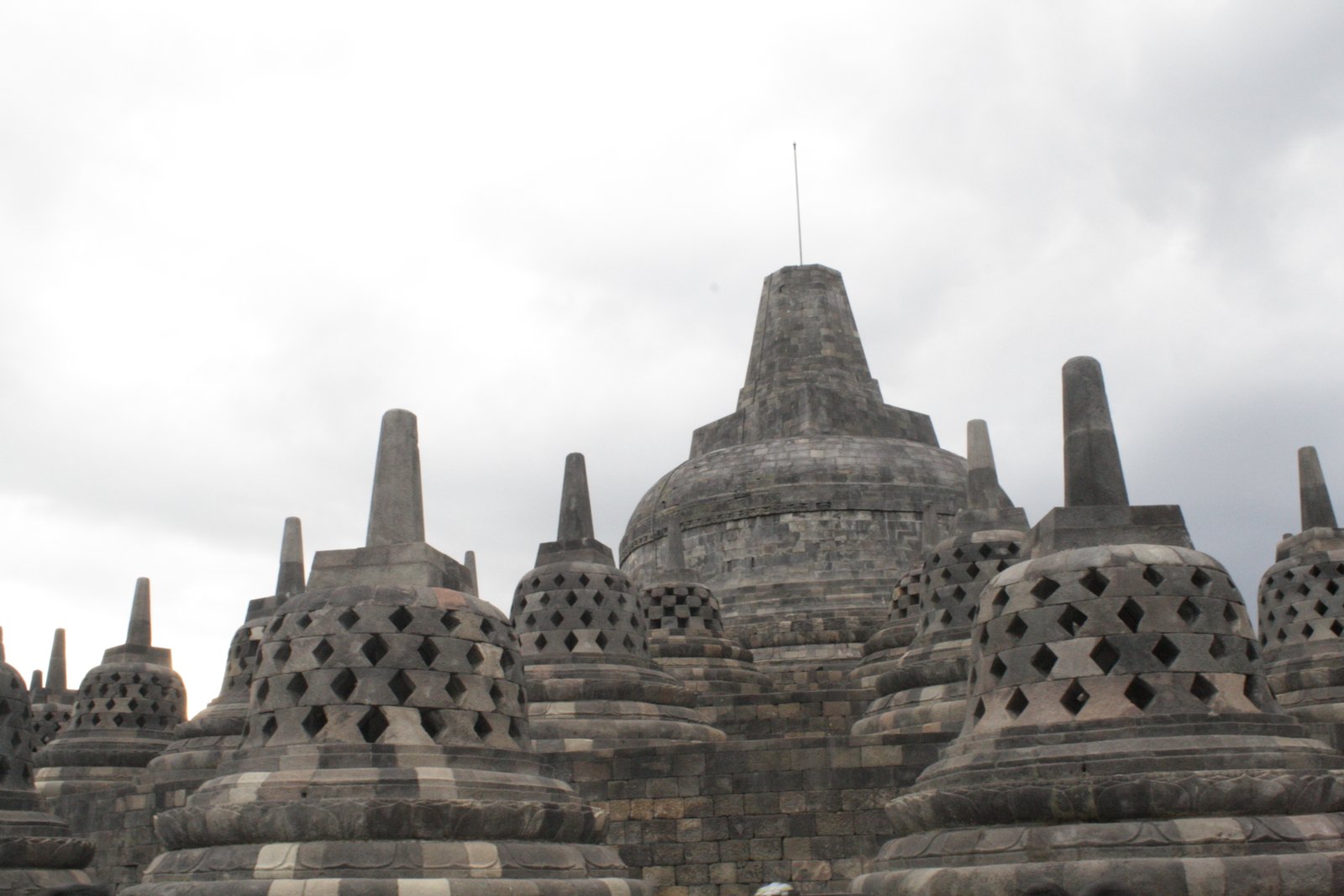
To understand the architecture of Borobudur Temple, you must first understand its purpose. Unlike Western cathedrals designed to house massive congregations indoors, Borobudur is a solid, stepped pyramid designed for outdoor, circumambulatory pilgrimage.
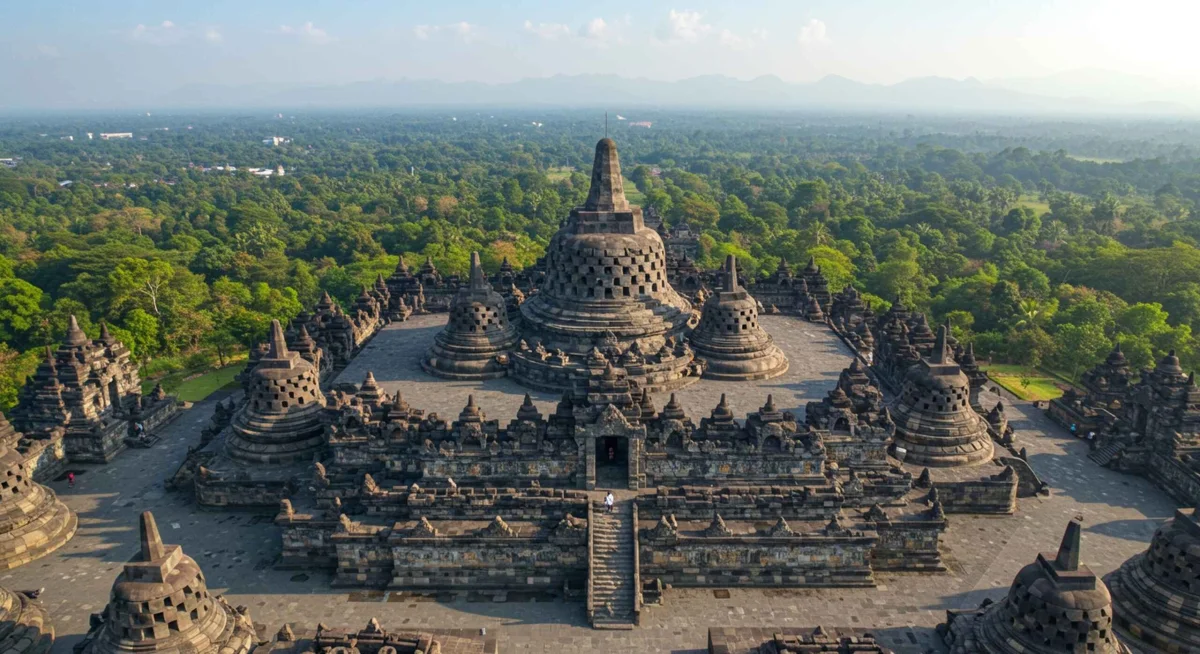
Viewed from above, the entire structure forms a perfect, giant tantric Mandala—a geometric symbol representing the Buddhist universe. The architects of the Syailendra Dynasty achieved this by blending indigenous Javanese terraced mountain worship with classical Indian Buddhist cosmology.
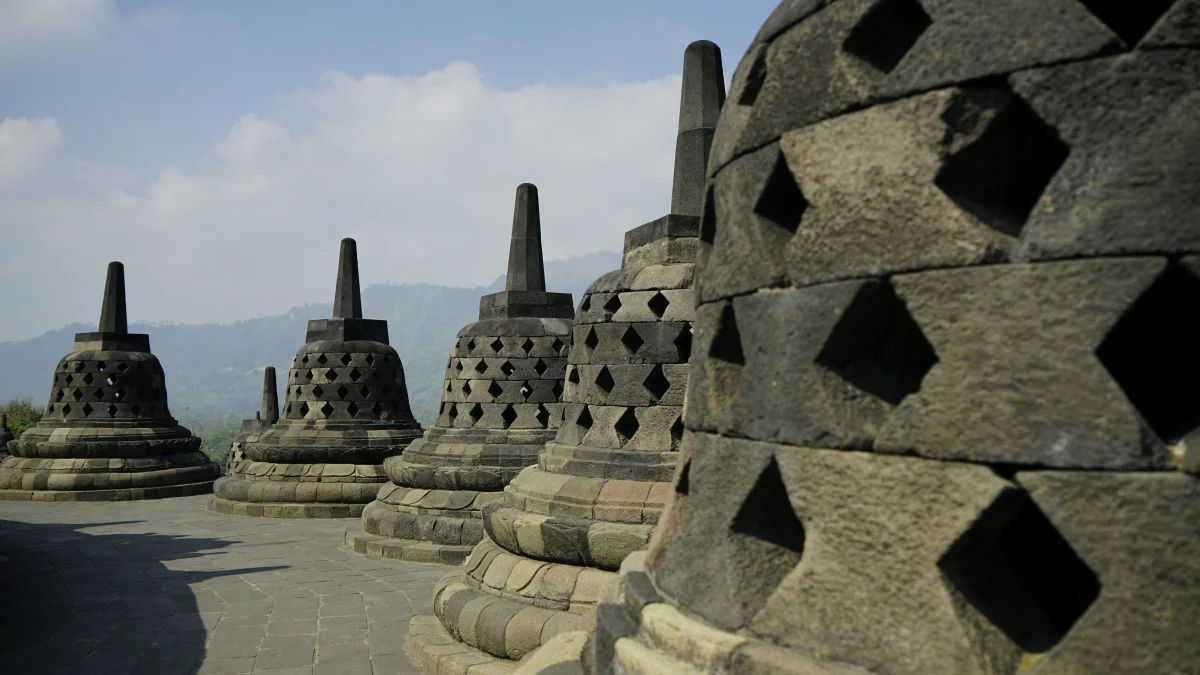
The temple's architecture physically forces the traveler to walk an upward path of enlightenment. You begin at the dense, highly decorated square base (the earthly realm of desires) and slowly ascend through narrow, high-walled corridors that restrict your view, forcing you to focus on the carved relief panels. As you finally break through to the upper three circular terraces, the walls disappear, the space opens up entirely, and you are surrounded by minimalist, bell-shaped perforated stupas. The architectural transition from claustrophobic detail to wide-open, formless space is a masterclass in psychological design.
To read deeper into the global significance of this spatial design, you can explore the architectural archives preserved by the UNESCO World Heritage Centre.
2. Reaching for the Gods: The Vastu Shastra of Prambanan
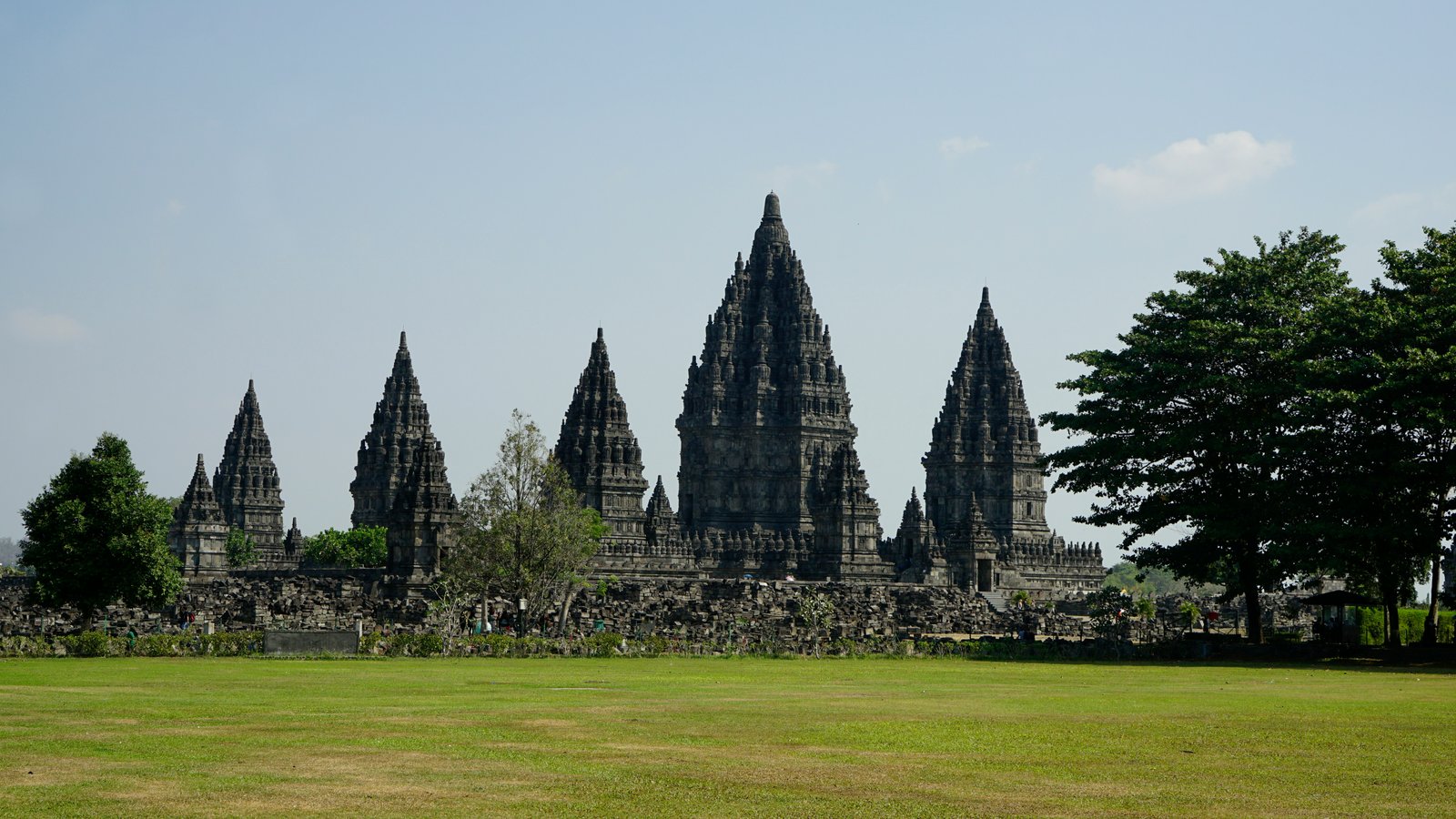
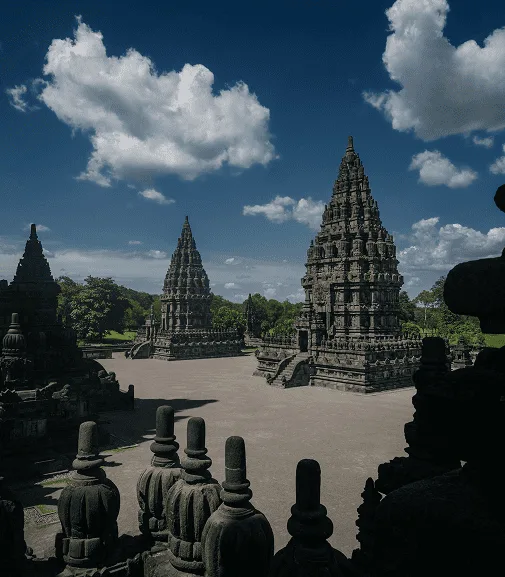
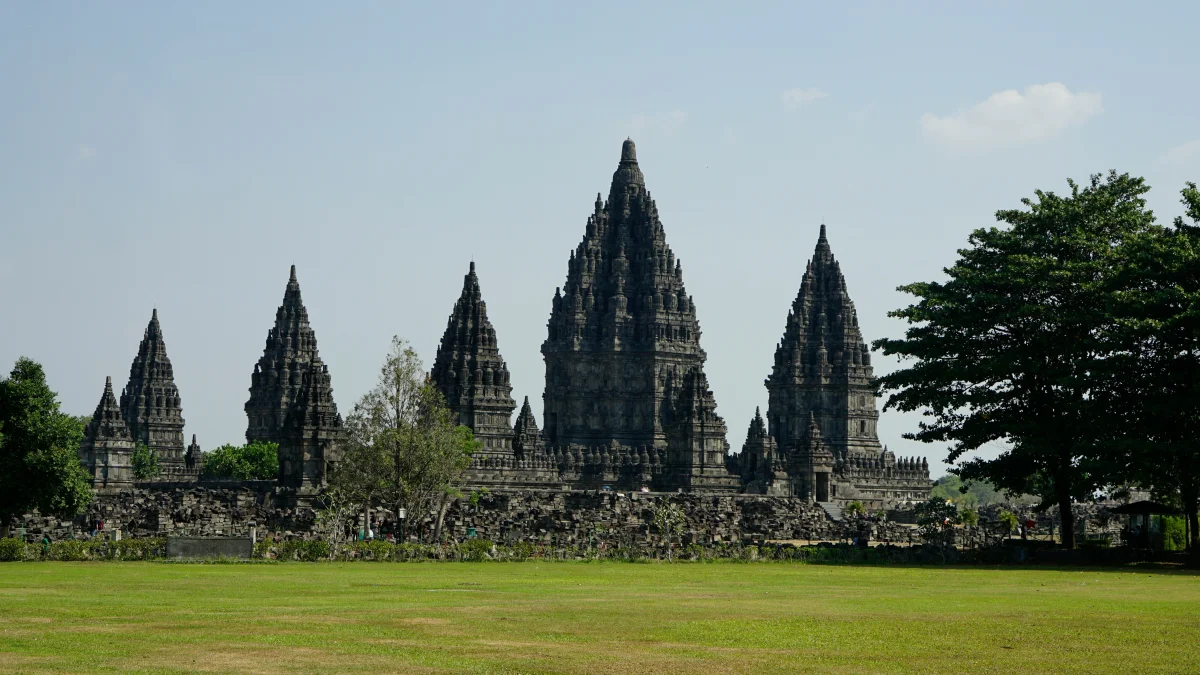
If Borobudur is an exercise in grounded, horizontal meditation, Prambanan Temple is an explosion of vertical, theatrical energy. Built by the rival Hindu Sanjaya Dynasty, Prambanan's architecture is deeply rooted in Vastu Shastra—the traditional Indian science of architecture, which dictates that temples must mirror the mythical home of the gods: Mount Meru.
To recreate this divine mountain, the architects used a fractal-like design. The complex originally contained 240 individual temples arranged in concentric squares. The structures draw the eye violently upward, culminating in the central Shiva Temple, which stands a staggering 47 meters (154 feet) tall.
What makes Prambanan architecturally unique is its slender, towering profile. Unlike the wide, stable base of a pyramid, these tall spires require incredible balance and precision to remain standing on an island prone to intense seismic activity. You can explore the historical timeline of Hindu temple construction and its spread across Southeast Asia on the World History Encyclopedia.
3. The Engineering Secret: Mortarless Interlocking Stones
The most frequent question asked by international visitors is: "How have these massive stone structures survived centuries of volcanic eruptions and massive earthquakes?"
The answer lies in the brilliant, mortarless masonry of ancient Javanese builders. They did not use cement, mud, or mortar to glue the stones together. Instead, they cut millions of blocks of dense river-stone and volcanic andesite and fitted them together using an ingenious system of interlocking joints.
When a tectonic tremor hits Central Java, these temples do not crack like rigid concrete buildings. Because they are constructed with interlocking, dry-laid stones, the entire structure can sway, shimmy, and shift with the earth's movement, naturally settling back into place once the tremor stops. It is an ancient form of seismic base isolation that is absolutely genius.
4. Dieng Plateau: The Volcanic Testing Grounds
If you want to see the architectural ancestors of Borobudur and Prambanan, you must travel high into the misty, sulfur-filled calderas of the Dieng Plateau.
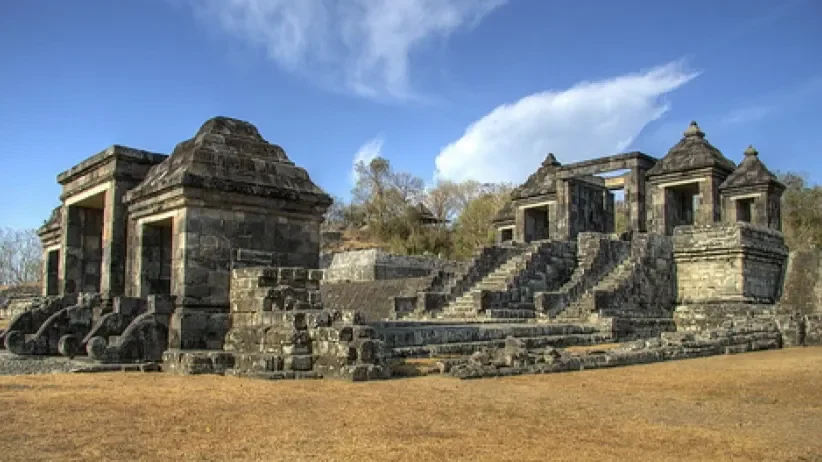
Constructed in the 7th and 8th centuries, the Arjuna Temple Complex in Dieng represents the oldest surviving stone temples in Java. Architecturally, these structures are much smaller, blockier, and less refined than their successors in the valleys below. However, they serve as the crucial "testing grounds" where early Javanese engineers first learned how to carve volcanic rock, manage water drainage in tropical rains, and build foundations that could survive on the active floor of a bubbling volcanic crater.
You can map out the stunning, high-altitude winding roads that lead from Yogyakarta up to the Dieng Plateau directly on Google Maps - Central Java Temple Routes.
Decode the ancient stones of Central Java, where sacred geometry, cosmic alignments, and volcanic rock unite to create some of the most sophisticated architectural wonders of the ancient world.
Practical Insider Tips for Architectural Touring
- Follow the Sun: The intricate stone reliefs of both Borobudur and Prambanan were carved to be read with the movement of the sun. The best time to photograph the deep architectural details and shadows is either early morning (6:00 AM - 8:00 AM) or late afternoon (4:00 PM - 5:30 PM).
- Look for the Gargoyles (Makara): Pay attention to the doorways and staircases. You will constantly see the Kala-Makara motif—a monstrous face over the door (Kala) connected to mythical sea-creatures at the bottom of the stairs (Makara). These act as architectural rain-spouts and spiritual guardians designed to ward off evil.
- Hire a Structural Guide: While wandering alone is beautiful, hiring an officially licensed heritage guide turns a pile of rocks into a reading of an ancient blueprint. They can point out the hidden drainage systems, unfinished stones, and jointing techniques you would otherwise walk right past.
- Check Preservation Schedules: Because these are fragile, active archaeological sites, certain staircases or upper tiers may occasionally be closed for structural health monitoring. Always check current access regulations via the national tourism board at Wonderful Indonesia or leading travel forums on Lonely Planet.
Decoding the architecture of Central Java’s temples transforms your travel experience from simply looking at old ruins to deeply appreciating a lost symphony of engineering, art, and spirituality. Let the professional heritage experts at Visit Nusa Indonesia provide you with private, air-conditioned transport and highly educated local guides, ensuring your journey through the ancient world is as seamless and insightful as the master builders intended.
Join the Conversation
0 thoughtful comments from our community
Leave a Comment
Share your experience or ask questions
No comments yet
Be the first to share your thoughts!