
The Real Deal: Why Village Tourism Offers a Truly Authentic Perspective
In an era dominated by hyper-curated social media feeds, glossy commercial resorts, and manufactured tourist attractions, modern travelers are facing a unique paradox. We are moving faster and traveling further than ever before, yet many of us return home feeling like we’ve only skimmed the polished surface of the places we visited. When a destination is completely optimized for mass tourism, something incredibly vital gets lost in translation: its raw, unfiltered truth.
This growing desire for something real has sparked a profound global shift toward village tourism (often known as community-based tourism). Rather than treating a destination as a mere stage for a holiday backdrop, village tourism invites travelers to step off the grid and enter the living, breathing heart of a culture. Whether it’s an alpine settlement in the mountains of Java or a quiet farming outpost, rural travel flips the script on traditional tourism.
If you are looking to redefine how you explore the world, here is why shifting your focus toward village tourism offers a deeply authentic perspective that no luxury resort can ever replicate.
Discover why breaking away from commercialized resort loops and entering the heart of rural tourism unlocks the raw, unaltered truth of global exploration.
1. You Experience Living History, Not Reconstructed Shows

In major urban tourist hubs, cultural heritage is frequently commodified. You buy a ticket, sit in an auditorium, and watch a highly staged, timed cultural performance. While these shows are visually beautiful, they exist strictly because a commercial industry sustains them.
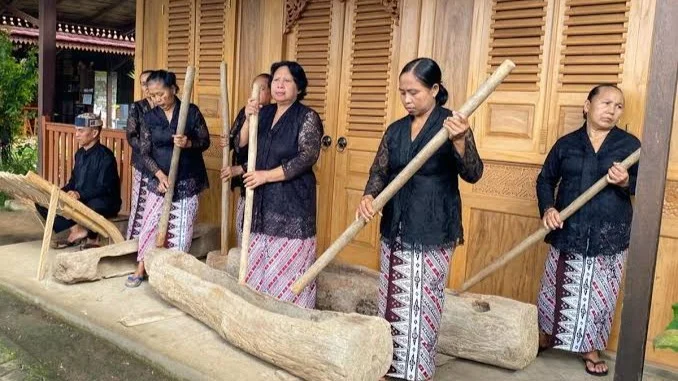
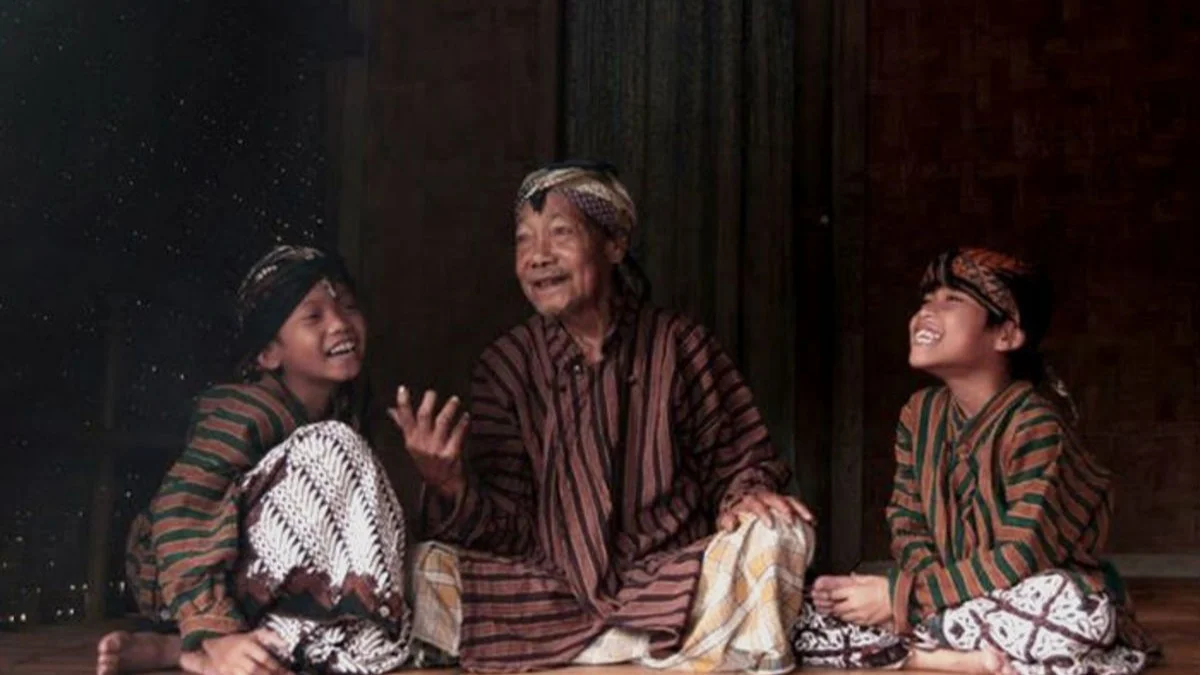
In contrast, rural tourism introduces you to living traditions that happen naturally, regardless of whether a tourist is standing there or not. In a traditional village, the music playing in the afternoon isn’t a paid performance for an audience—it is a grandfather passing down oral histories and ancestral rhythm patterns to his grandchildren. The artisan weaving fabric under a bamboo porch isn't a prop; she is creating an intricate piece of art that has defined her family identity for generations.
By witnessing these moments in their raw, native settings, you shift from being a detached spectator to a privileged witness of living human history. To explore how global organizations evaluate and protect these vital pockets of heritage, you can read the comprehensive structural breakdowns on the UNESCO Intangible Cultural Heritage Portal.
2. It Restores the Natural, Unhurried Flow of Time
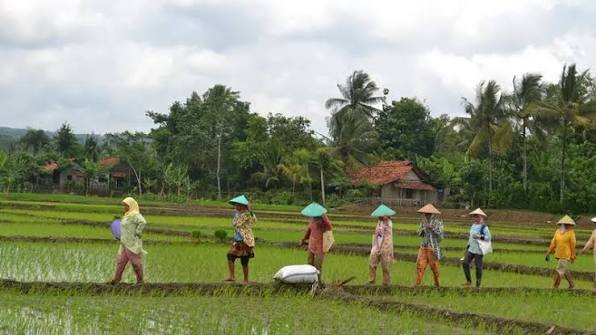
Mass tourism is inherently transactional and hurried. It pushes travelers through a fast-paced loop of checklist sightseeing, tight tour-bus schedules, and crowded photo opportunities. This frantic pace keeps you completely disconnected from the actual atmosphere of a country.
Village tourism operates on an entirely different clock—one that is deeply connected to the natural movements of the sun and the changing agricultural seasons. Time slows down. You learn to appreciate the simple value of a morning coffee brewed over an open wood-fired stove, the therapeutic silence of walking along quiet dirt lanes, or the slow, rhythmic labor of planting crops alongside locals. This slower pacing creates the mental space needed to truly absorb your surroundings, allowing you to return home feeling genuinely restored rather than exhausted by your itinerary.
3. Human Connections Become Deeply Equal and Familial

In a typical resort setting, the interaction between a traveler and a local is almost entirely transactional, bound by a strict service-provider and customer dynamic. While the service may be flawless, it rarely leads to a genuine, deep human connection.
When you choose a village immersion or stay at a local heritage homestay, that commercial barrier instantly drops. You are welcomed directly into a community not as an anonymous consumer, but as an honored guest and extended family member. You sit together on shared woven floor mats, pass around communal bowls of home-cooked food, and navigate language barriers through shared laughter and universal hand gestures.
These organic, heartfelt interactions are where true cultural empathy is built. To see how slow travel advocates and global journalists describe the transformational impact of these raw human encounters, look through the inspiring narratives highlighted on National Geographic Travel.
4. Your Footprint Directly Supports True Economic Sustainability

True authenticity isn’t just about aesthetics; it is also about the ethics of your travel footprint. A massive portion of the money spent on mass tourism leaks out of the host country, flowing back to international corporate hotel chains and global booking agencies.
Village tourism runs on a highly transparent, ethical economic model. The funds you spend on entry permits, local guiding, hand-crafted artisan goods, and home-cooked meals stay 100% within the village ecosystem. Your presence directly helps a local family maintain their traditional home, assists a craftsman in buying raw materials to preserve an ancient trade, and funds community-led environmental protection initiatives.
Knowing that your travel journey directly empowers a real community adds a profound layer of purpose and meaning to your trip. You can dive deeper into the verified data surrounding the long-term socioeconomic benefits of rural communities by browsing the active global forums on Lonely Planet.
Practical Tips for Your First Authentic Village Journey
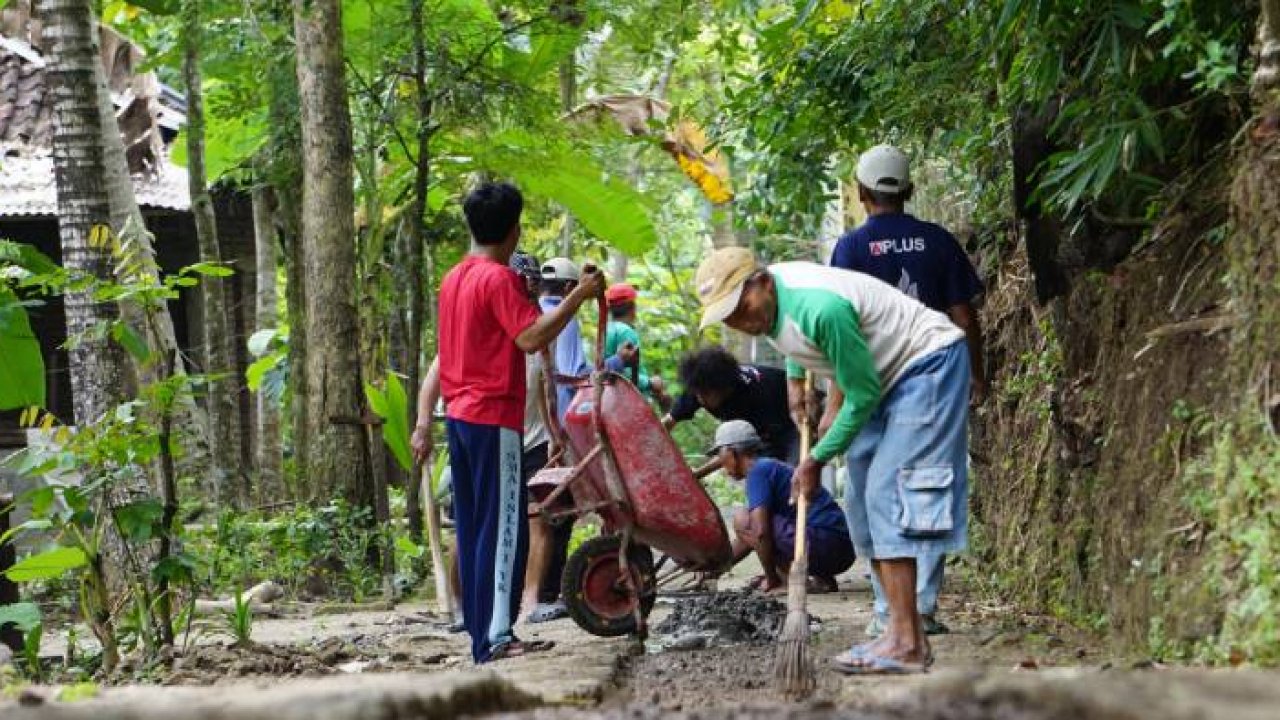
- Manage Your Expectations: Rural villages are authentic, active communities, not sterile, air-conditioned theme parks. Embrace the presence of nature, the sound of morning farm life, and the simplicity of local facilities. These minor adjustments are a small price to pay for genuine cultural access. To plan your transport and locate these rural zones accurately, you can cross-reference routes directly via Google Maps.
- Approach with Humility: Enter the community with an open mind and a desire to learn rather than compare. Always ask for polite permission before taking photos of residents, and dress modestly in accordance with local rural customs (covering shoulders and knees).
- Support Local Creators Directly: When purchasing traditional fabrics, pottery, or agricultural produce, buy directly from the artisans themselves. Avoid aggressive haggling; the small amount you might save means far more to a local family’s monthly dynamic than it does to a vacation budget.
If you are ready to break away from standard holiday templates and experience a profoundly rewarding journey that highlights the true, beautiful soul of a country, village tourism is the ultimate path. Let the dedicated team at Visit Nusa Indonesia manage your ethical travel logistics, private transport, and local translators so you can step off the beaten track and discover the real world.

Join the Conversation
0 thoughtful comments from our community
Leave a Comment
Share your experience or ask questions
No comments yet
Be the first to share your thoughts!