

Connecting with Locals: A Guide to Rural Javanese Customs
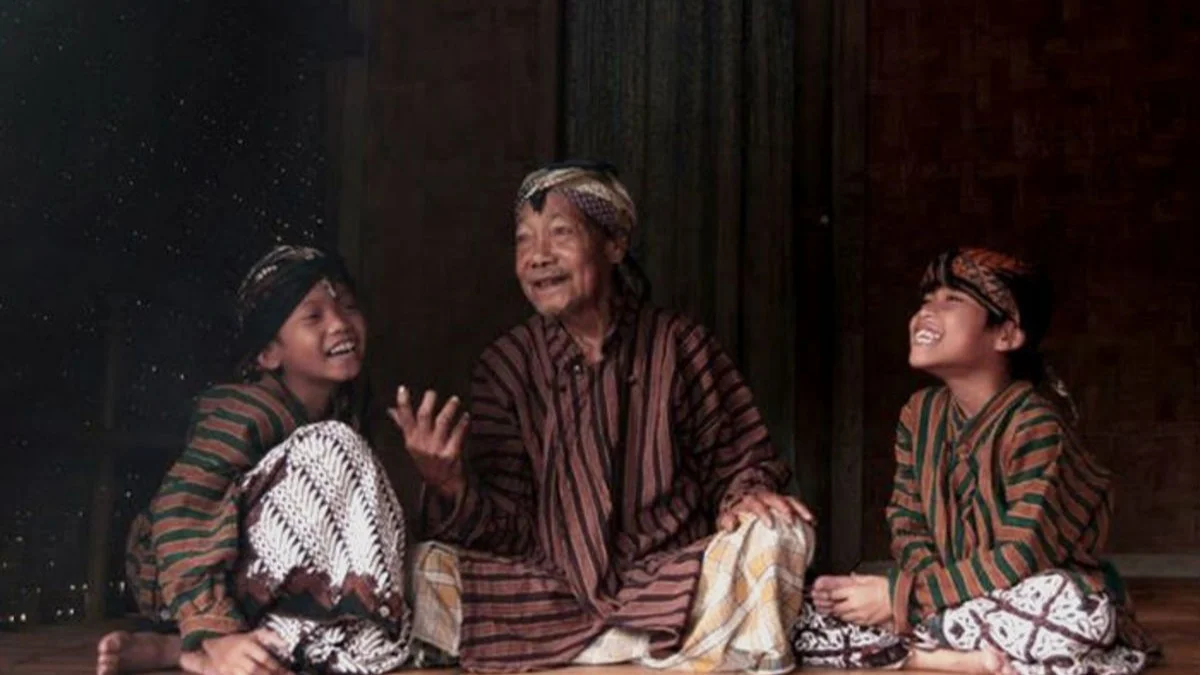
When international travelers look back on their journeys through the rolling volcanic countryside of Central Java, their most striking memories rarely involve the physical grandeur of the mountains or the layout of ancient ruins. Instead, they talk about the people. They remember the effortless smiles from farmers working the rice terraces, the elderly grandmother who offered them a warm cup of sweet ginger tea from her wooden porch, and the deep, welcoming warmth that permeates every rural village (desa).
However, to unlock the true depth of this legendary hospitality, a traveler must understand that Javanese society is built upon a beautifully complex foundation of unwritten social rules, ancient spiritual values, and refined etiquette. In the countryside, behavioral customs aren't just empty traditions—they are a vital, living language used to express respect, maintain communal harmony (rukun), and show genuine empathy.
If you are preparing to step off the beaten tourist path and enter a traditional community, here is your definitive insider guide to mastering rural Javanese customs and building genuine, lifelong connections with the locals.
Master the silent language of Javanese etiquette, decode ancestral hand gestures, and learn how to build effortless, heartfelt connections in the countryside.
1. The Anatomy of a Javanese Greeting: More Than a Handshake
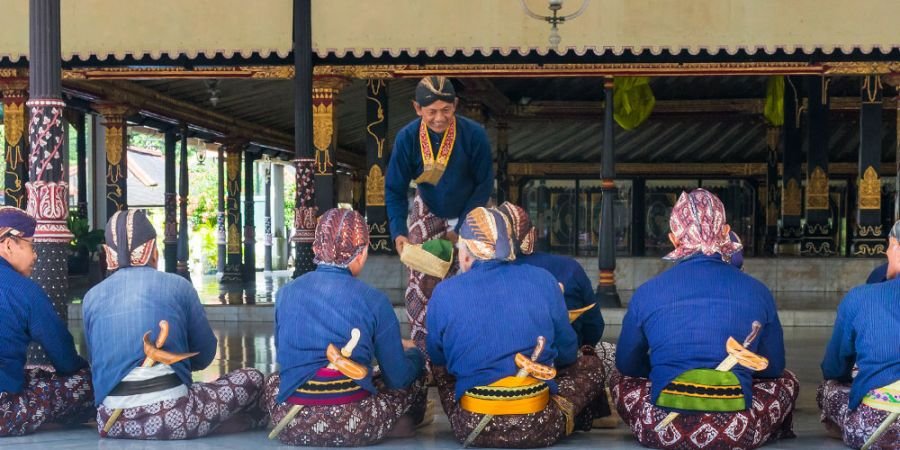
In Western cultures, a greeting is often firm, direct, and efficient. In rural Java, it is a gentle, flowing ritual that signals peaceful intent and humility.
When meeting a villager for the first time, offer a soft, relaxed handshake. Avoid a tight, crushing grip, which can be interpreted as overly aggressive. As you release their hand, bring your own right hand gently back to touch your chest or heart. This universal gesture symbolizes that the meeting is being accepted directly into your soul.
If you are greeting a respected community elder, a village chief, or a religious leader, it is customary to perform a slight bow of the head while keeping your hands clasped together in front of your chest—a traditional gesture known as the Sembah. This silent display of deference instantly shows that you respect their place in the community. To dive deeper into how global cultural geographers analyze these highly refined systems of regional etiquette, you can browse the archival cultural profiles hosted on Lonely Planet - Indonesia Culture Section.
2. The Right-Hand Rule: Navigating Daily Transactions
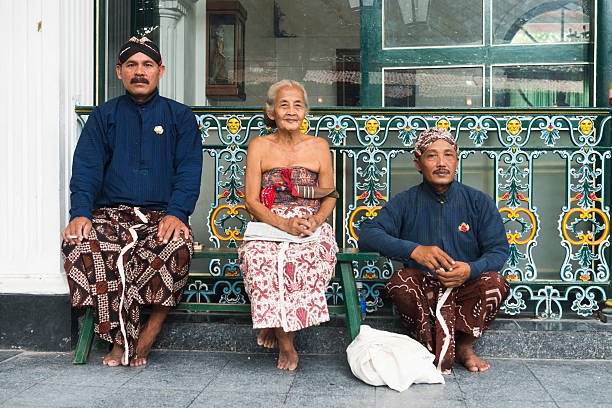
In traditional Javanese belief systems, the left and right hands serve entirely different symbolic and practical purposes. The right hand is considered the limb of honor, purity, and respect, while the left hand is reserved strictly for personal hygiene.
Whether you are paying for a hand-woven batik fabric at a village stall, passing a glass of water to your host family, or offering a business card, always use your right hand. If your right hand happens to be full, it is highly polite to say "Maaf, pakai tangan kiri" (Excuse me for using my left hand) before completing the action. This minor linguistic courtesy instantly signals to locals that you are aware of their values and care about their comfort.
3. Mastering the Javanese Point: The Polite Thumb Gesture
One of the quickest ways to stand out as an unrefined outsider in rural Java is to point at an object, a temple relief, or a physical direction using your index finger. To the Javanese mind, pointing with the index finger is considered sharp, confrontational, and culturally impolite.
Instead, locals utilize a beautifully subtle alternative. To point or guide someone's eye, extend your right hand, fold your four fingers down into a loose fist, and point smoothly using your right thumb. This fluid, softened gesture is used universally across the island’s heritage paths. You can trace these exact countryside highway routes and map out your cultural exploration nodes directly via Google Maps - Yogyakarta Rural Paths.
4. Dressing for the Desa: Modesty and Community Comfort
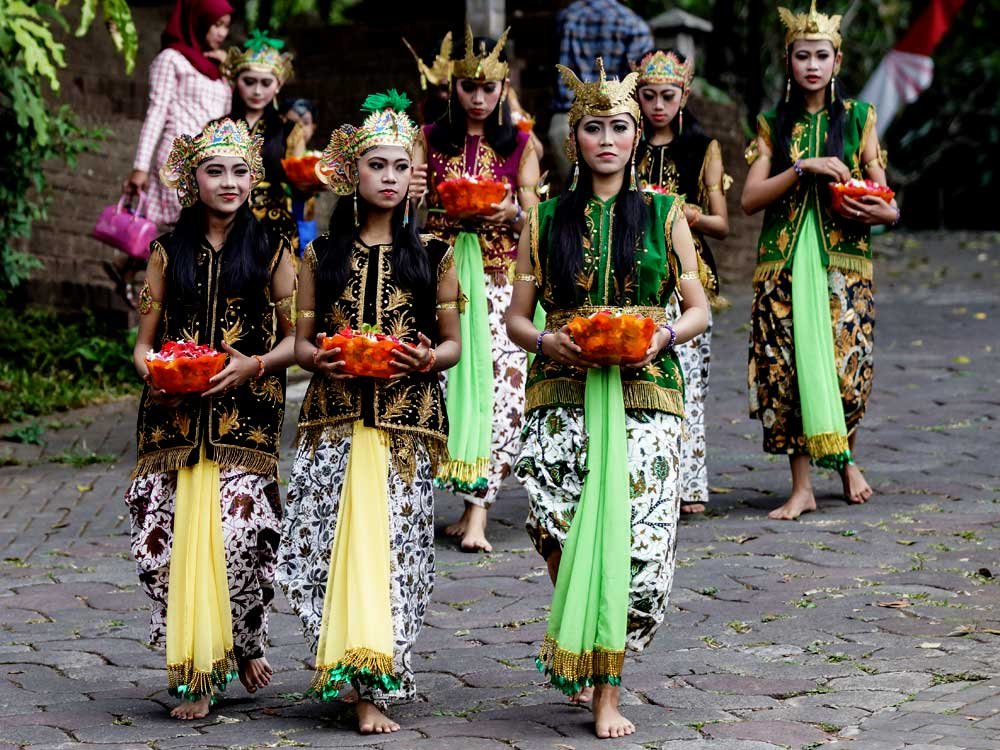
Rural Javanese villages hold highly conservative dress standards compared to international beach resorts or westernized urban centers. The way you present yourself physically is viewed by locals as a direct reflection of your respect for their community.
When pack-planning for a village immersion or a rural homestay, prioritize loose-fitting, lightweight, and breathable clothing that covers both your shoulders and knees.
- For Men: Classic polo shirts, lightweight short-sleeve button-downs, and loose safari pants or long shorts are ideal. Avoid walking through village lanes without a shirt on.
- For Women: Flowing maxi dresses, lightweight linen trousers, long skirts, and t-shirts with conservative necklines work beautifully. Avoid tight tank tops, crop tops, or short activewear.
5. The Philosophy of Living Harmony: Gotong Royong and Sharing Food
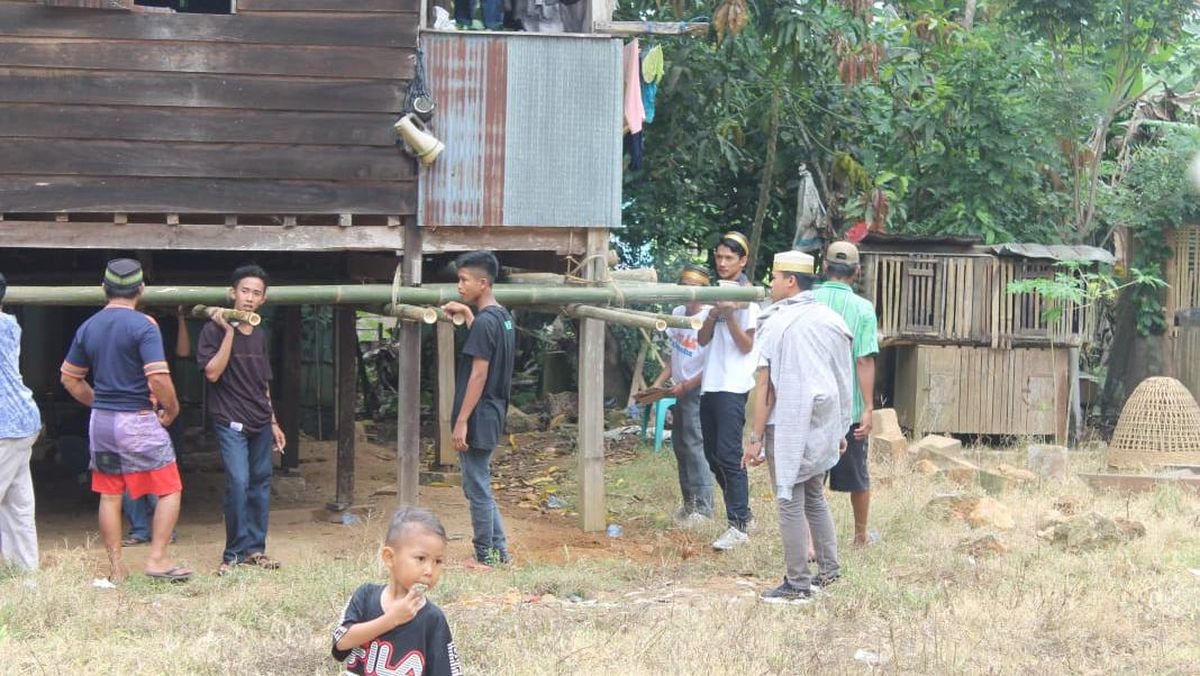
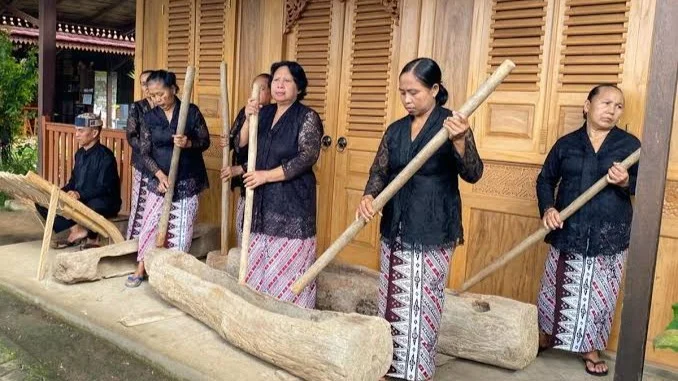
At the center of all rural Javanese life is the ancestral philosophy of Gotong Royong—the collective weight of communal unity. In a village, no family lives as an isolated island. If a neighbor’s roof leaks, the entire street gathers to fix it; if a harvest is ready, everyone chips in to reap the fields.
When you enter this ecosystem as a traveler, you are naturally integrated into this sharing culture, most commonly through the ritual of food. If a host family serves you a traditional meal or offers a snack like fried cassava (mendoan), never reject it outright. Even if you are completely full, it is custom to take at least a small, symbolic sip of the drink or a tiny bite of the food provided. To understand how international cultural bodies like UNESCO track and protect these vital living communal traditions, look into their deep studies on Southeast Asian social structures.
Practical Language Tips to Spark Instant Joy
While a warm smile is a universal language, speaking just a few words of the localized Javanese language (Bahasa Jawa) shows an extraordinary level of effort that will instantly endear you to the village elders.
- Instead of the standard Indonesian "Terima Kasih" (Thank you), use the refined Javanese: "Matur Nuwun".
- To wish someone a good morning, greet them with: "Sugeng Enjang".
- If you need to politely walk past a group of elders sitting in a courtyard, bow slightly, extend your right arm downward, and say: "Nuwun Sewu" (Excuse me / Permit me).
To cross-reference these local phrases with real-time cultural event schedules or to explore regional tourism development directives, you can consult the official state repository on Wonderful Indonesia.
Approaching rural Java with a humble heart and an open mind is the ultimate key to authentic exploration. When you take the time to learn and respect the quiet customs of the desa, you cease to be a distant tourist looking through a camera lens—you become an honored guest walking hand-in-hand with the soul of the island. Let the dedicated, culturally connected team at Visit Nusa Indonesia manage your private transport, ethical village permits, and expert local translators so you can immerse yourself completely in the magic of Java.

Join the Conversation
0 thoughtful comments from our community
Leave a Comment
Share your experience or ask questions
No comments yet
Be the first to share your thoughts!