
How to Visit Borobudur Temple from Yogyakarta: A Complete Travel Guide to Sunrise, Secrets & Seamless Journeys
A Journey Into Time and Silence
There are destinations that impress, and then there are places that resonate on a deeper level—places where history, landscape, and atmosphere converge into something almost intangible. Borobudur Temple belongs firmly in the latter category.
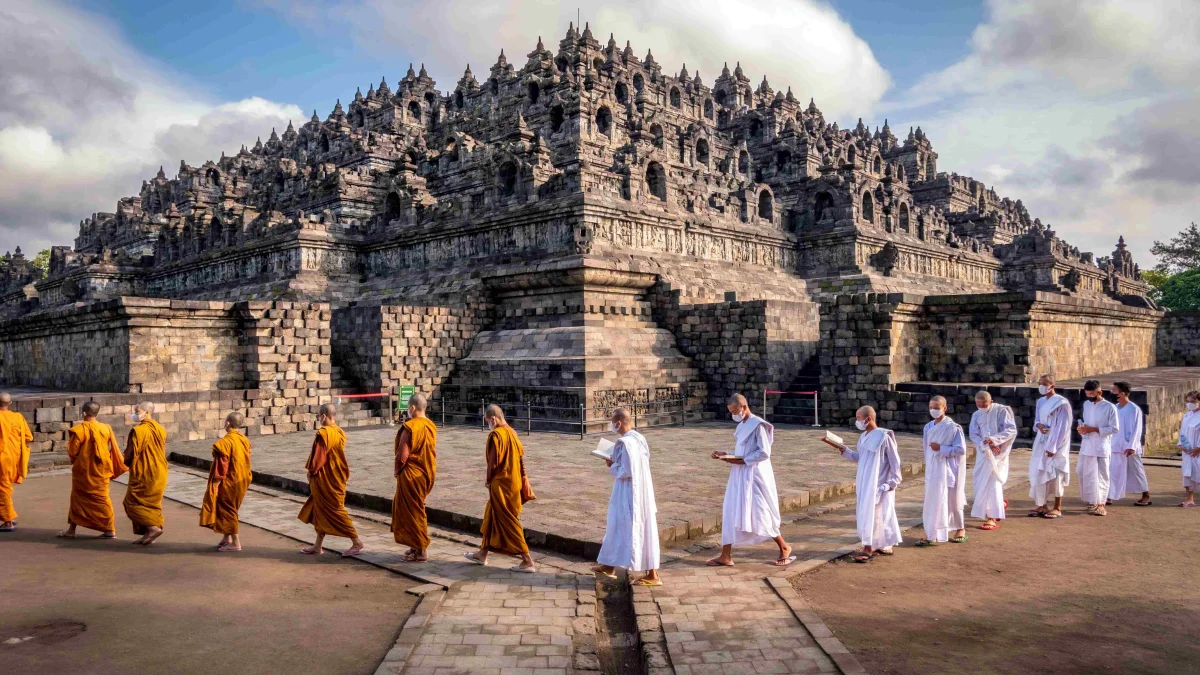
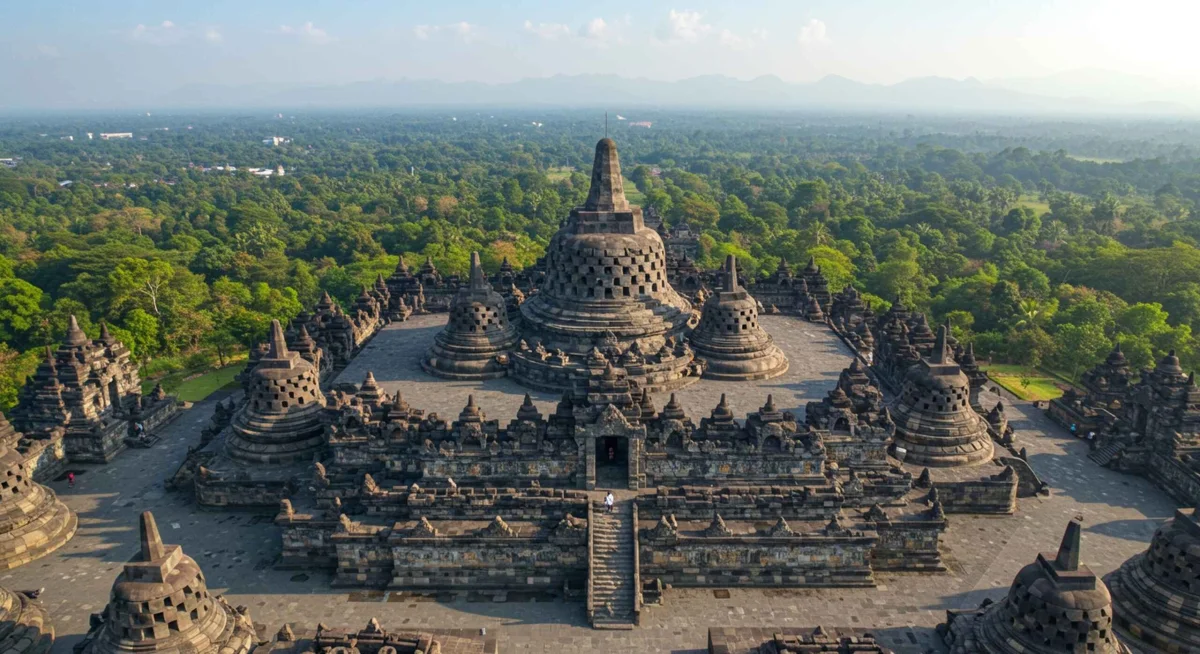
At first light, when the air is still cool and the surrounding valley is wrapped in a gentle layer of mist, Borobudur reveals itself slowly. The outlines of its stupas emerge against a pale sky, while distant volcanoes form a quiet, imposing backdrop. In these early moments, before the arrival of larger crowds, the temple feels less like a tourist site and more like a living monument—one that has endured for over a millennium.
Recognized by UNESCO World Heritage Centre as one of the most important cultural landmarks in the world, Borobudur is not simply the largest Buddhist temple ever built. It is a carefully designed spiritual structure, where every level, relief panel, and stone pathway reflects a philosophical journey toward enlightenment.
For travelers based in Yogyakarta, visiting Borobudur is both accessible and essential. Yet the difference between a routine visit and a truly memorable experience lies in how well the journey is planned.
Where Borobudur Is Located and Why It Matters
Borobudur sits approximately 40 kilometers northwest of Yogyakarta, in the Magelang region of Central Java. While the distance itself is relatively short, the transition from city to countryside is significant and worth paying attention to.
Leaving Yogyakarta in the early hours, the urban density gradually gives way to open landscapes. Roads become quieter, lined with rice paddies, small villages, and distant hills. As daylight strengthens, the silhouettes of volcanic peaks begin to dominate the horizon, including Mount Merapi—one of the most active volcanoes in Indonesia.
This geographical context is not incidental. Borobudur was intentionally built within this natural amphitheater of mountains and valleys, reflecting a deep connection between spirituality and the surrounding environment. The setting enhances the experience, making the journey itself an integral part of the visit rather than a simple transfer between two points.
Transportation Options: Choosing the Right Way to Travel
Private Car or Curated Tour
For most international travelers, a private car or curated tour offers the most efficient and comfortable way to reach Borobudur. The advantages extend beyond convenience. With a private arrangement, travelers can depart early, avoid logistical uncertainty, and maintain control over their itinerary.
This flexibility is particularly important for those aiming to experience sunrise or early morning access. Without the constraints of fixed schedules, visitors can align their timing with optimal light conditions and crowd patterns.
Many travelers opt for thoughtfully arranged experiences through Visit Nusa, where transportation, timing, and local insight are carefully integrated. Rather than managing multiple logistics, travelers can focus entirely on the experience itself.
Public Transportation
Public transport remains a viable option, particularly for budget-conscious travelers. The typical route involves traveling from Yogyakarta to Jombor Terminal, followed by a regional bus toward Borobudur.
While cost-effective, this method introduces several challenges. Travel times are longer and less predictable, connections may require waiting, and early morning access becomes difficult to achieve. For those unfamiliar with local systems, the process can feel unnecessarily complex.
As such, public transport is best suited for experienced independent travelers who prioritize cost savings over efficiency.
Scooter or Motorbike Rental
Renting a scooter offers independence and the opportunity to experience rural Java more intimately. The route passes through scenic countryside, where daily life unfolds at a slower pace.
However, this option requires confidence and experience. Traffic conditions can be unpredictable, and early departures—often necessary for sunrise—mean navigating in low-light conditions. While rewarding for some, it is not the most practical choice for first-time visitors.
Understanding Sunrise: Expectation and Reality
Sunrise at Borobudur has long been considered one of the most iconic experiences in Indonesia. However, recent conservation measures have altered how this experience is accessed.
Direct sunrise viewing from the upper levels of the temple is now limited. Rather than diminishing the experience, this shift has encouraged travelers to explore alternative viewpoints that often provide a more atmospheric perspective.
Sunrise from Punthuk Setumbu
Located just a short drive from Borobudur, Punthuk Setumbu has become the preferred sunrise location for many travelers. From this elevated vantage point, the temple appears within a broader landscape context, framed by mist-filled valleys and distant volcanoes.
The experience is defined by subtlety rather than spectacle. Light shifts gradually, revealing layers of depth across the valley while the silhouette of Mount Merapi emerges in the distance.
For photographers and those seeking a more contemplative atmosphere, this viewpoint offers a more immersive and memorable alternative to traditional sunrise access.
Early Morning Entry to the Temple
Following sunrise, entering Borobudur during the early morning hours remains highly recommended. At this time, temperatures are moderate, and the number of visitors is still manageable.
Walking through the temple in the morning allows for a more reflective experience. The intricate relief panels become easier to appreciate, and the overall structure reveals its philosophical design more clearly without the distraction of crowds.
Tickets and Visitor Management
In recent years, Borobudur has introduced a structured visitor system aimed at preserving the monument while maintaining a high-quality experience for guests.
Visitors can choose between two primary access types.
Ground access allows entry to the surrounding park area and provides external views of the temple. This option is suitable for those with limited time or those who prefer a lighter visit.
Climb access, however, offers a significantly deeper experience. Visitors are permitted to ascend the temple under guided supervision, following designated routes across the upper levels. This access is limited in capacity and organized into scheduled sessions.
Advance booking is strongly recommended, and official updates can be checked via Borobudur official ticketing platform.
Timing Your Visit
The timing of a visit to Borobudur has a direct impact on the overall experience.
Early morning remains the most favorable period, offering cooler temperatures, softer lighting, and a quieter environment. Late afternoon can also provide appealing light conditions, though it does not replicate the atmospheric quality of sunrise.
Midday is generally less desirable. High temperatures, increased visitor numbers, and harsh lighting conditions reduce both comfort and visual appeal.
The dry season is typically the best time to visit, as clearer skies enhance visibility across the surrounding landscape.
Dress and Practical Considerations
As both a cultural heritage site and a place of historical significance, Borobudur requires respectful attire. Visitors are encouraged to wear modest clothing that covers shoulders and knees.
Comfort is equally important. Lightweight fabrics, supportive footwear, and sun protection are essential, particularly during warmer periods. Movement across the temple involves walking on uneven stone surfaces, making practical clothing a key part of the experience.
Enhancing the Journey: Nearby Experiences
Borobudur is often best experienced as part of a broader itinerary. The surrounding region offers a range of complementary destinations that enrich the overall journey.
Many travelers combine their visit with Mount Merapi, where jeep tours provide a dynamic contrast between spiritual heritage and volcanic landscapes.
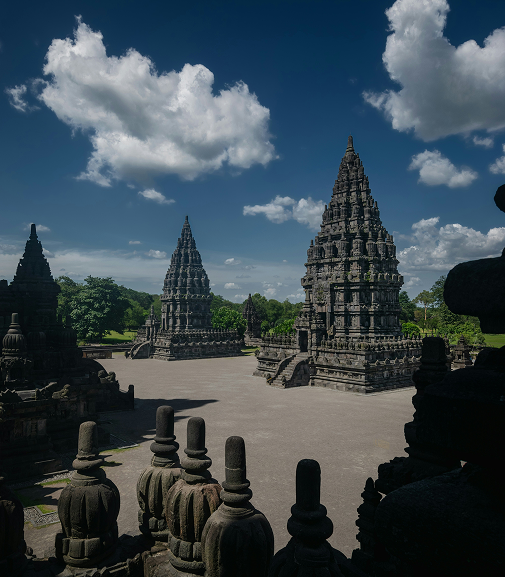
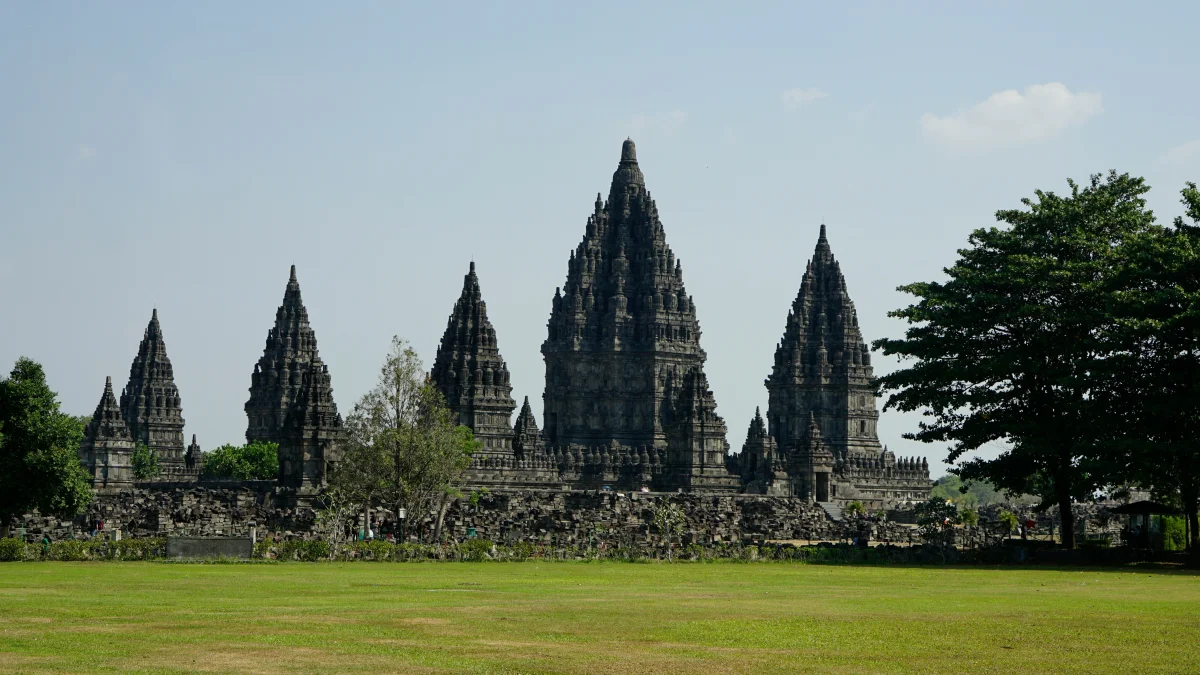
Another popular addition is Prambanan Temple, a Hindu temple complex that showcases a different architectural and cultural perspective.
Travelers seeking a seamless experience often explore these destinations through curated journeys offered by Visit Nusa, allowing multiple highlights to be experienced efficiently within a single itinerary.
Practical Insights for a Seamless Visit
A number of practical considerations can significantly improve the experience.
Booking tickets in advance ensures access to preferred time slots, particularly for climbing sessions. Starting the day early maximizes both comfort and visual quality. Staying hydrated and prepared for changing weather conditions is essential.
Respect for the site should remain a priority. Avoid touching carvings, follow designated paths, and adhere to guidelines provided by staff and guides.
For those who prefer a smoother journey, curated services such as Visit Nusa help simplify logistics while enhancing the overall experience.
Final Reflection
Borobudur is not defined solely by its scale or historical significance. Its impact lies in the way it engages visitors—quietly, gradually, and often unexpectedly.
From the subdued light of early morning to the intricate narratives carved into its stone walls, every element contributes to a sense of continuity between past and present.
For travelers based in Yogyakarta, the journey to Borobudur Temple is both straightforward and profound. With thoughtful planning and the right timing, it becomes more than a visit—it becomes an experience shaped by atmosphere, culture, and perspective, one that remains long after the journey ends.

Join the Conversation
0 thoughtful comments from our community
Leave a Comment
Share your experience or ask questions
No comments yet
Be the first to share your thoughts!