
Wild Horizons: Discovering Yogyakarta’s Hidden Southern Beaches
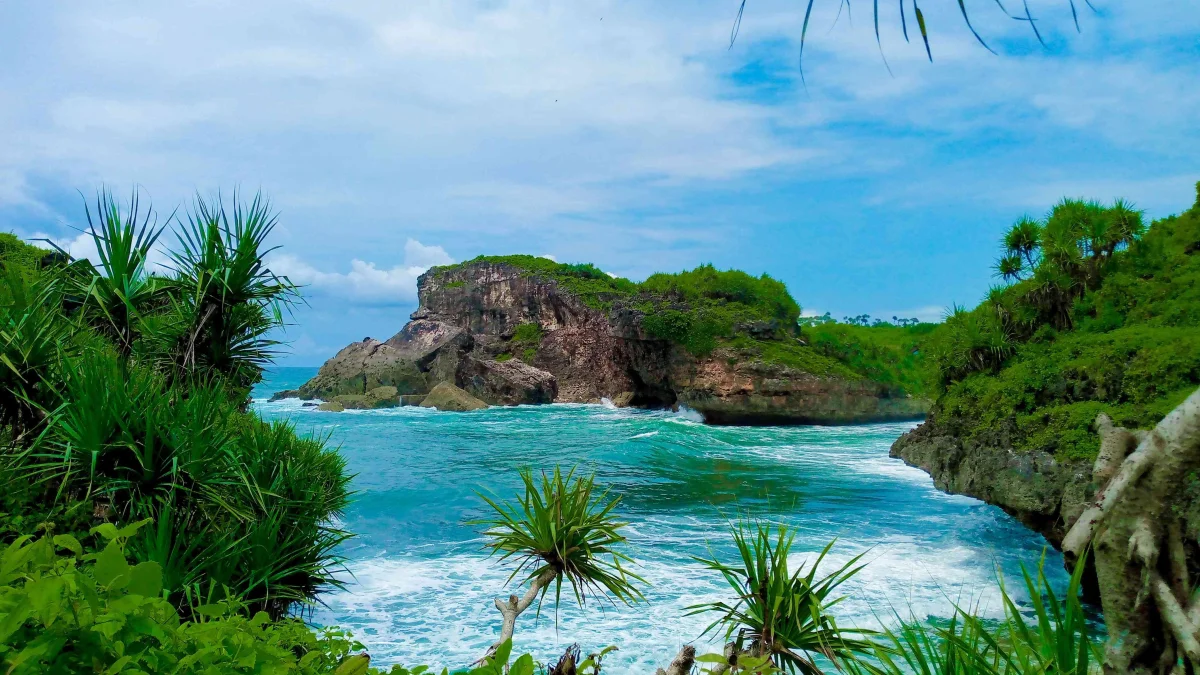
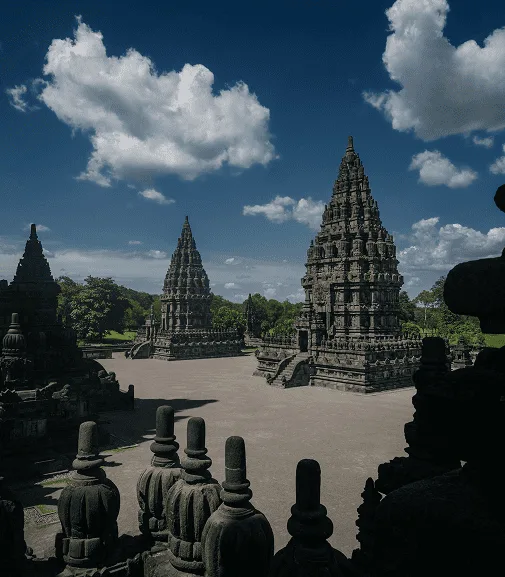
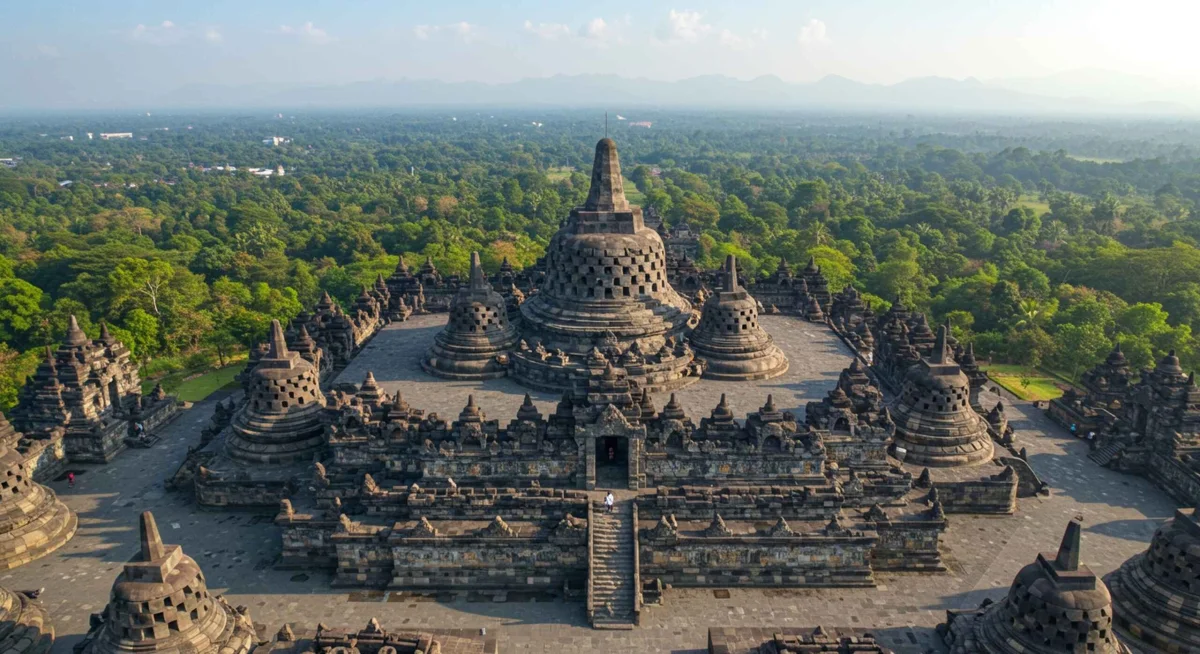
When most travelers plan a trip to Yogyakarta, their minds immediately drift to imperial heritage, mystical palaces, and ancient stone architecture. It makes sense the cultural gravity of the city center is incredibly strong. Yet, if you venture due south, breaking through the winding mountain passes and dense teak forests of the Gunungkidul region, the landscape undergoes a dramatic, breathtaking shift. The bustling city traffic dissolves into the background, replaced by towering limestone cliffs, crashing sapphire waves, and miles of raw, untamed coastline.
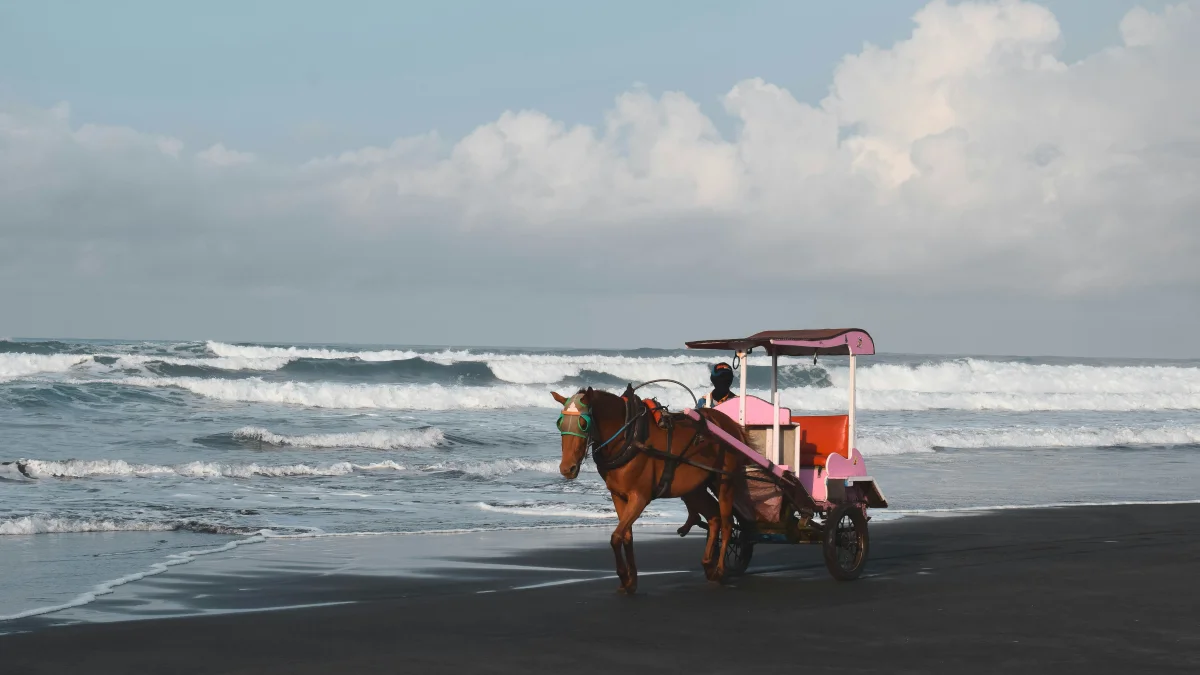
The southern edge of Yogyakarta holds some of the most spectacular, pristine beaches in Indonesia, yet they remain beautifully overlooked by mainstream international tourism. Unlike the flat, volcanic black sands found closer to the city center, the hidden beaches of Gunungkidul feature brilliant white sand, crystal-clear turquoise waters, and dramatic karst rock formations shaped by the fierce, uninterrupted power of the Indian Ocean. It is a wild paradise waiting for travelers who want to experience the raw, natural edge of Java.
If you are ready to leave the temple crowds behind, pack your sunglasses, and discover Java’s secret coastline, here is your definitive guide to Yogyakarta’s best hidden southern beaches. Trade the crowded city streets for the rugged limestone cliffs, hidden shorelines, and wild waves of Gunungkidul.
The Coastal Stars: Mapping the Hidden Gems
The southern coastline stretches for miles, with dozens of secluded coves hidden beneath steep cliff faces. While popular spots can get busy on weekends with local day-trippers, a few exceptional shorelines offer a truly wild, off-the-grid coastal experience. You can trace the rugged coastal highway paths and pin these secret spots directly via the official geographic records on Google Maps - Gunungkidul Southern Coast Beaches.
1. Ngrenehan Beach (Pantai Ngrenehan)
Tucked deep inside a protective curve of towering limestone walls, Ngrenehan is a fascinating blend of natural beauty and local maritime culture. Because it sits inside a sheltered bay, the fierce waves of the Indian Ocean are calmed before they hit the shore. This makes it a safe haven for a fleet of colorful, traditional wooden fishing boats (perahu motor tempel). Walking along the beach gives you a front-row seat to a living coastal community, where fishermen mend nets and bring in the daily catch of fresh mackerel and sardines.
2. Drini Beach (Pantai Drini)
Often called the "Island Beach," Drini is split right down the middle by a massive, grassy coral island that rises directly out of the sand. This natural barrier creates two completely different worlds on a single shoreline. The eastern side is calm, shallow, and filled with gentle rock pools perfect for wading and viewing tiny marine life. The western side, however, opens up directly to the roaring, high-energy waves of the open ocean, offering a dramatic display of crashing water against the cliffs.
3. Sadranan Beach (Pantai Sadranan)
If your goal is to slip on a mask and explore life beneath the surface, Sadranan is the absolute crown jewel of the coast. A massive, natural coral reef barrier stretches across the bay a few hundred meters out, breaking the heavy ocean swells and creating a calm, crystal-clear saltwater lagoon. Here, you can swim easily over vibrant coral beds, meeting schools of colorful parrotfish, angel fish, and neon damselfish just a short distance from the sand.
4. Timang Beach (Pantai Timang)
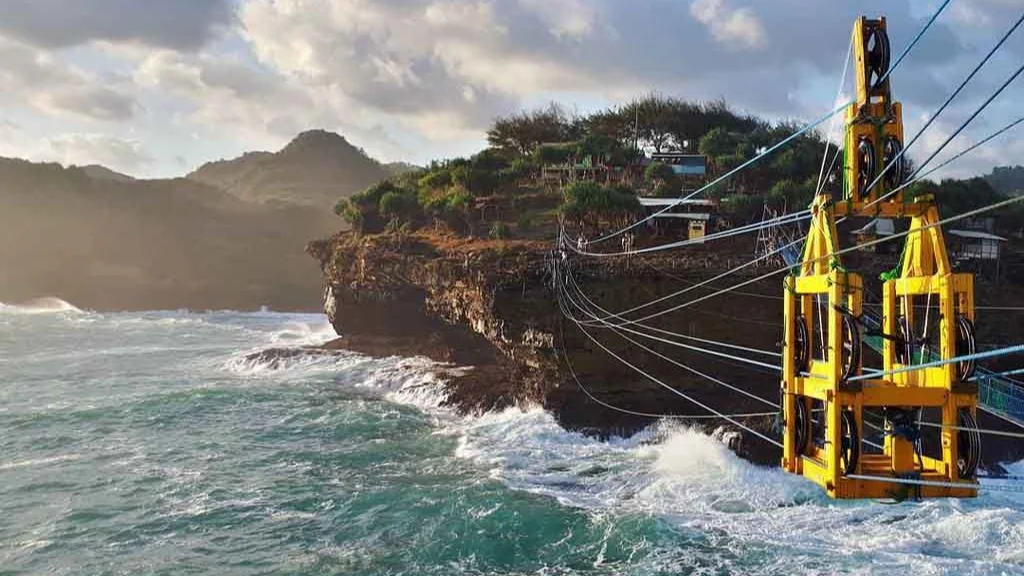
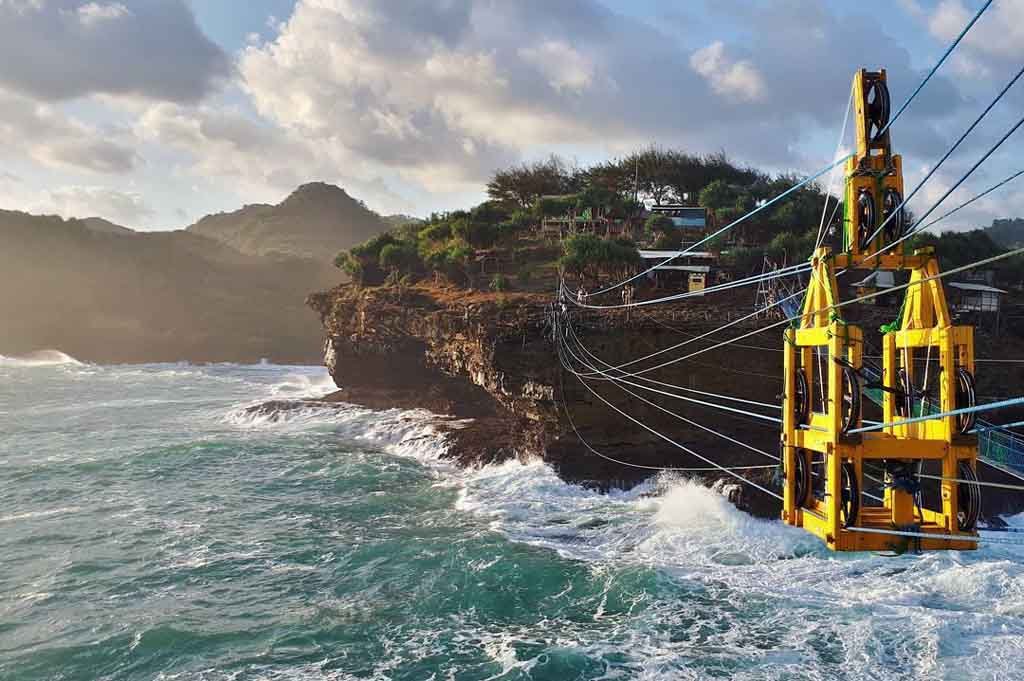
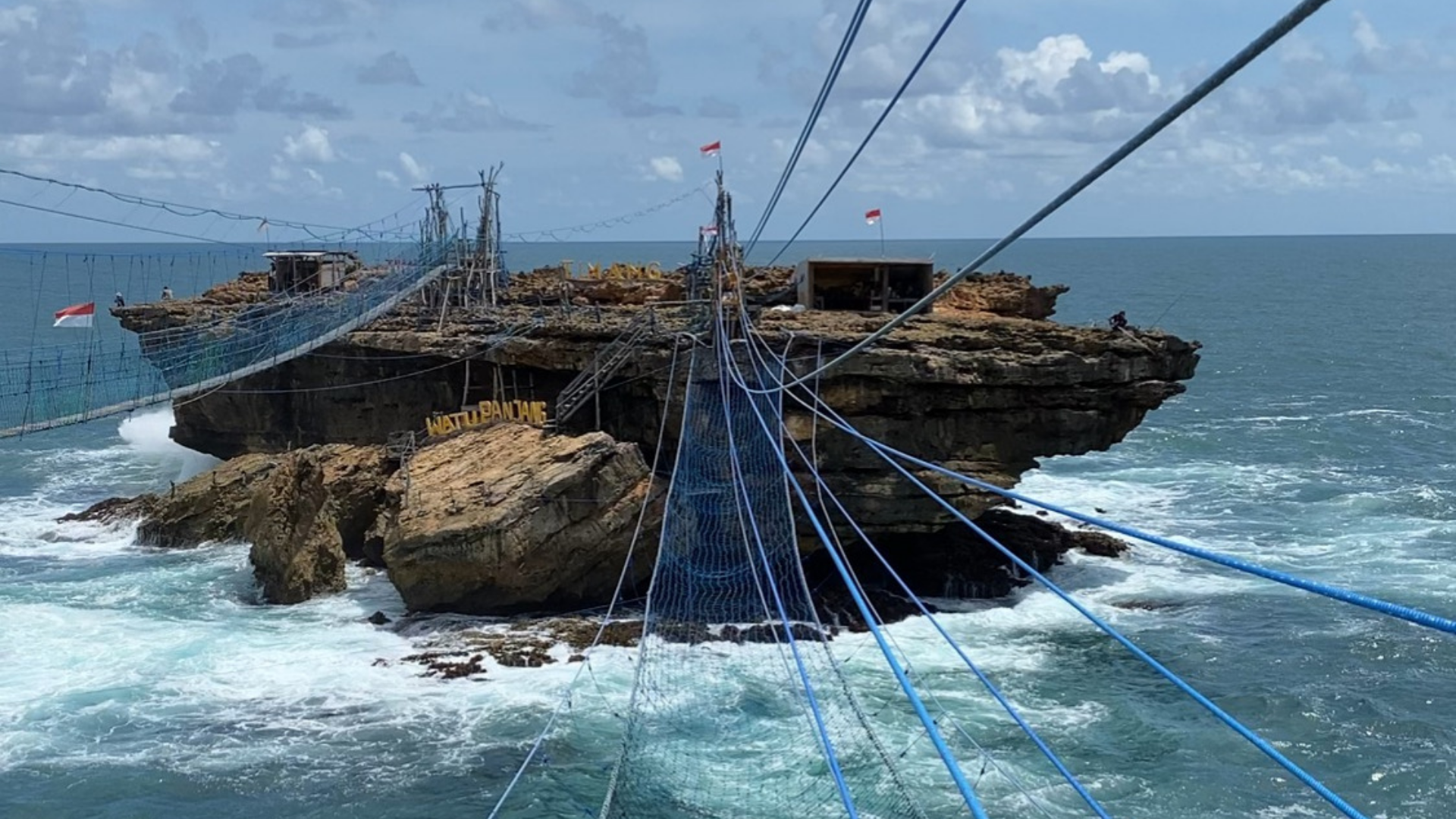
This is not a place for a casual swim—it is a destination for pure, adrenaline-pumping adventure. Timang is famous for its rugged rocky outcropping sitting just off the coast, connected to the main cliff by a legendary, hand-drawn wooden cable car ride (kereta gantung). Originally built by brave local lobster fishermen to cross the roaring gaps, riding this traditional wooden gondola over crashing, 20-foot ocean waves is an absolute rite of passage for thrill-seekers looking for an unforgettable story.
Finding Your Perfect Pace: Coastal Dynamics & Geology
What makes the southern coast so uniquely captivating is its intense geological character, which requires a slightly different approach than a standard resort beach holiday. To understand the fascinating formation of this unique topography, you can look into the geological surveys preserved by the UNESCO Global Geoparks Network, which recognizes the surrounding Gunung Sewu karst region as a highly valuable international heritage site.
- Understanding the Tides: Because these beaches sit directly on the edge of the deep Indian Ocean trench, the water level changes dramatically between low and high tides. Low tide reveals extensive coral flats, hidden rock pools, and fascinating marine life, making it perfect for exploring on foot. High tide brings in massive, powerful waves that showcase the raw energy of the ocean.
- Safety First: The southern sea is legendary for its strong rip currents and heavy breaks. Always pay close attention to local warning signs, stay within the designated shallow lagoons, and never swim directly past the outer coral reef barriers.
"Conquer Java's wild and hidden coastline. Our Southern Beaches Expedition package includes private air-conditioned transport through the scenic Gunungkidul hills, localized beach guiding, entry permits to multiple secret coves, snorkeling gear rentals, and a fresh seafood lunch right on the shoreline."
Practical Insider Tips for a Flawless Beach Road Trip
- The Best Time to Explore: To enjoy clear blue skies, brilliant turquoise waters, and smooth driving conditions, visit during the dry season from April to October. Aim to arrive at the coast by mid-morning to secure the best photography light before the afternoon sun gets too intense.
- What to Pack and Wear: Wear light, breathable beach clothing and pack a swimsuit and towel. Sturdy water shoes or secure sandals with straps are absolutely essential, as you will be walking across sharp coral beds and rough limestone rocks. Don't forget reef-safe sunscreen, a sun hat, sunglasses, and a waterproof dry bag to protect your phone from ocean spray.
- The Cliffside Sunset Finale: To wrap up your coastal road trip, head up to one of the high cliffside viewpoints just before 5:00 PM. Watching the sun drop directly into the endless horizon of the Indian Ocean while sipping fresh coconut water is the ultimate way to end your day. You can cross-reference regional travel tips and dynamic itineraries via the official Indonesian Ministry of Tourism portal on Wonderful Indonesia - Yogyakarta Destinations.
- Feast on the Local Catch: Don't leave the coast without stopping at a beachside warung (local stall) for a traditional seafood dinner. Feast on fresh, locally caught lobsters, red snapper, and squid, grilled over open charcoal pits with traditional sweet soy and chili marinades. To find the best local dining spots vetted by millions of global explorers, you can consult Visit Nusa Indonesia - Gunungkidul Travel Forum for up-to-date recommendations.
- Cultural Context: To deeper understand how the local government preserves these pristine maritime ecosystems while developing regional communities, you can read the public updates on the official regional gateway for the Gunungkidul Regency Government Office.
If you want a high-reward, visually spectacular day trip that showcases a completely different, wild side of Java away from the city center, discovering Yogyakarta's hidden southern beaches is an exceptional choice. Let the dedicated team at Visit Nusa Indonesia manage your private transport, beach registrations, and local logistics so you can focus entirely on enjoying the ocean breeze, walking on pristine sands, and exploring paradise.
Join the Conversation
0 thoughtful comments from our community
Leave a Comment
Share your experience or ask questions
No comments yet
Be the first to share your thoughts!