
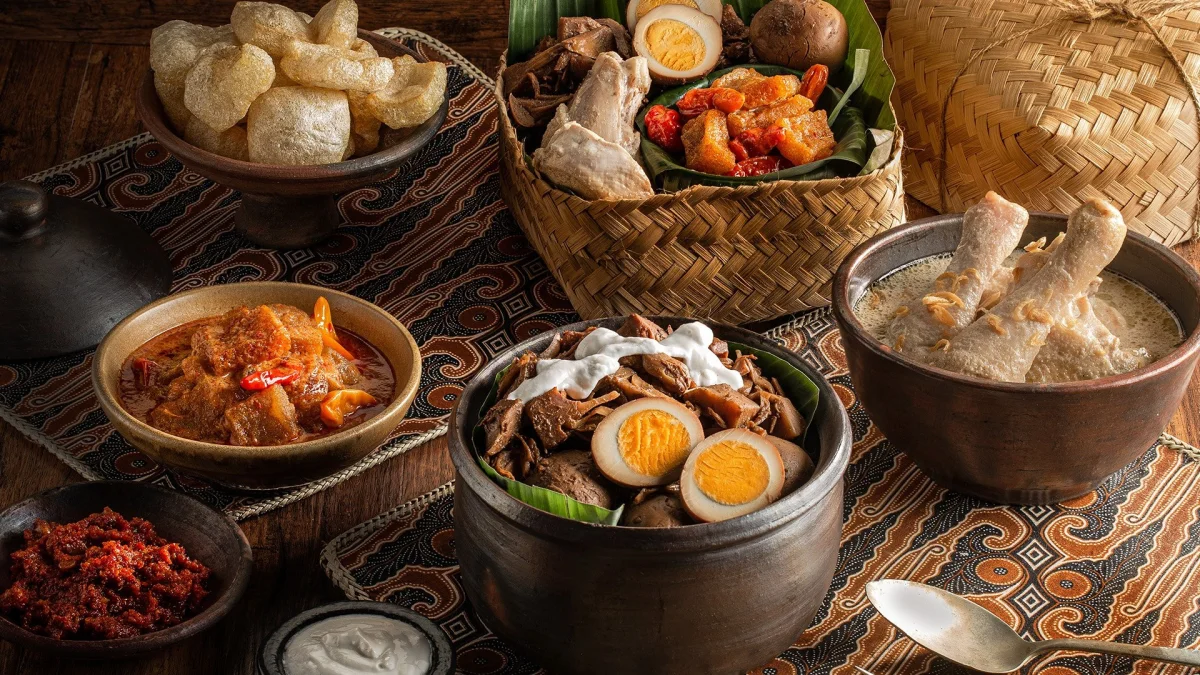
To know Yogyakarta is to taste it. The city’s cuisine tells the story of its people — their patience, creativity, and quiet devotion to balance. Every dish carries history, philosophy, and emotion, reflecting centuries of cultural exchange and the Javanese belief that food should nourish both body and spirit. In Yogyakarta, a meal is not simply eaten; it is experienced, shared, and celebrated.
A Taste of Tradition
Javanese cooking is built upon the foundation of manis (sweetness), a flavour that defines Yogyakarta’s culinary identity. While other regions of Indonesia may favour spice or savoury intensity, the Yogyanese palate seeks harmony and subtlety. This inclination towards sweetness is not accidental — it stems from the royal kitchens of the Kraton, where sugar and coconut milk symbolised refinement and generosity. Over time, these flavours spread across the city, blending with everyday home cooking and street fare.
The result is a cuisine that feels both regal and rustic, marked by gentle contrasts rather than extremes. Whether served in a palace courtyard or from a roadside stall, Yogyakarta’s food carries the same spirit: to delight through balance.
Gudeg: The Heart of Yogyakarta’s Flavour
No dish captures the essence of Yogyakarta quite like Gudeg. Made from young jackfruit stewed slowly in coconut milk and palm sugar, it achieves a delicate sweetness that defines the city’s palate. Traditionally cooked for hours over a wood fire in large clay pots, Gudeg takes on a deep brown hue and a texture that melts effortlessly on the tongue.
Served with rice, chicken, boiled eggs, and spicy sambal krecek made from cow skin, Gudeg offers a symphony of textures and tastes — sweet, savoury, spicy, and soft. It is not merely a local delicacy but a symbol of endurance. The long cooking process mirrors the Javanese virtue of sabar (patience), teaching that good things emerge from time and care.
There are two main styles of Gudeg: Gudeg Basah (wet) and Gudeg Kering (dry). The former is softer and more aromatic, while the latter is drier and sweeter, ideal for preservation. Visitors can try the dish at legendary establishments like Gudeg Pawon or Gudeg Yu Djum, where the recipes have been passed down for generations. Eating Gudeg in Yogyakarta is not just tasting food — it is participating in a living tradition.
Street Food and the Art of Togetherness
Yogyakarta’s culinary culture thrives not only in restaurants but also in the streets, where vendors and customers create an atmosphere of warmth and familiarity. Every evening, the city transforms into a feast of lights and aromas. Stalls line the pavements of Malioboro, Alun-Alun Kidul, and Prawirotaman, serving an endless variety of comfort food.
One of the most beloved dishes is Angkringan, a humble food stall offering affordable bites like rice wrapped in banana leaves, grilled satay, and fried tempeh. What makes Angkringan special is not just the food but the experience. Locals gather on small wooden benches, chatting over sweet tea or black coffee late into the night. It is a democratic dining culture where students, workers, and artists sit side by side — proof that in Yogyakarta, food dissolves social boundaries.
Another street staple is Sate Klathak, skewered mutton grilled over charcoal with a simple sprinkle of salt. Served with spicy broth and rice, it exemplifies Javanese minimalism: few ingredients, but each chosen with precision. Then there’s Bakpia Pathok, a small pastry filled with mung bean paste, a popular souvenir for travellers that traces its origin to Chinese settlers who brought their baking traditions centuries ago.
The Philosophy Behind the Plate
Javanese food is deeply philosophical. Meals are seen as expressions of gratitude and social harmony rather than individual indulgence. The act of sharing food embodies the principle of rukun, the same harmony that governs all aspects of Javanese life. Eating together strengthens community ties, while cooking reflects mindfulness — each ingredient chosen for balance, not dominance.
Spices, too, carry symbolic meaning. Coconut milk softens harshness, sugar balances bitterness, and chilli introduces energy without aggression. The result is food that feels complete, reflecting the Javanese belief that life should be lived in moderation. Even the presentation of a meal — from the arrangement of dishes to the use of banana leaves — reflects a sense of order and aesthetics, an appreciation for beauty in simplicity.
Kopi Joss: Fire in a Cup
Among Yogyakarta’s most iconic culinary experiences is Kopi Joss, a black coffee served with a glowing lump of charcoal dropped directly into the cup. Invented in the 1960s near Tugu Station, this unusual drink has become a local legend. The charcoal, said to neutralise acidity and add a subtle smokiness, transforms an ordinary coffee into a ritual of sight, sound, and aroma.
Locals gather at angkringan kopi joss stands late at night, sipping the drink as the city hums softly in the background. The sizzling charcoal is more than a novelty — it symbolises warmth, resilience, and community. For many, Kopi Joss is not about caffeine; it is about connection, the shared stories and laughter that accompany each cup.
Royal Influence and Culinary Refinement
The influence of the Yogyakarta Sultanate extends far beyond the palace walls. The royal kitchens (Dapur Kraton) have historically defined standards of taste and presentation, setting the tone for the city’s culinary aesthetics. Court dishes like Nasi Blawong — rice cooked with spices and served during royal ceremonies — or Sayur Menir, a savoury vegetable soup with corn and spinach, reveal how deeply refined Javanese cuisine can be.
These dishes embody more than flavour; they express respect for ingredients and spiritual symbolism. In the Kraton tradition, cooking is a form of meditation. The process must be calm, deliberate, and harmonious. Every motion — from grinding spices on a stone mortar to stirring coconut milk — carries meaning, reminding the cook to maintain composure and focus. It is believed that a peaceful mind brings better taste, a philosophy that continues in many Yogyakarta households today.
The Modern Culinary Scene
While tradition remains at the heart of Yogyakarta’s gastronomy, the city’s young chefs and entrepreneurs are reimagining its flavours for a global audience. A new generation of cafés, bistros, and food studios have emerged, blending Javanese heritage with international creativity. You can find Gudeg tacos, Tempeh burgers, and Wedang Uwuh mocktails on menus across the city — experiments that remain respectful to their origins while pushing boundaries.
The city’s growing coffee culture has also transformed Yogyakarta into a hub for artisanal brewing. Cafés in Prawirotaman and Kotabaru serve locally sourced beans from the slopes of Mount Merapi and Central Java. Baristas treat coffee as craft, preserving the same spirit of patience and artistry that defines the city’s broader culinary philosophy.
Festivals and Food Rituals
Food in Yogyakarta is inseparable from ritual and celebration. During major festivals such as Sekaten or Grebeg Maulud, the Kraton organises grand processions featuring offerings of food — giant cones of rice, fruits, and vegetables symbolising abundance and gratitude. After the ceremonies, the offerings are distributed among the public, embodying the belief that blessings grow when shared.
Household rituals also reflect this connection between food and faith. During selametan gatherings, families prepare special dishes as tokens of thanks for milestones such as births, weddings, or safe travels. Each menu item carries meaning: rice for life, eggs for unity, and bananas for prosperity. These meals unite generations, preserving both memory and tradition.
A Culinary Journey of the Soul
To wander through Yogyakarta’s food scene is to journey through layers of history and meaning. From royal banquets to humble street corners, every taste tells a story of patience, gratitude, and togetherness. What sets Yogyakarta apart is not just the variety of its dishes but the spirit behind them — a belief that food, when made with sincerity, becomes a bridge between people and the divine.
Whether savouring a bowl of Gudeg under the stars, sipping Kopi Joss beside the railway tracks, or sharing snacks at an Angkringan with new friends, visitors find that Yogyakarta’s cuisine offers more than satisfaction. It offers belonging — an invitation to slow down, to connect, and to taste the harmony that defines the heart of Java.


Join the Conversation
0 thoughtful comments from our community
Leave a Comment
Share your experience or ask questions
No comments yet
Be the first to share your thoughts!